

By Leonard Okachie | Umuahia | Sept. 26, 2025
In a bold step towards inclusive education and child development, the Abia State Government has announced plans to train at least 250 therapists across the state’s 17 Local Government Areas to support children living with intellectual and learning disabilities.
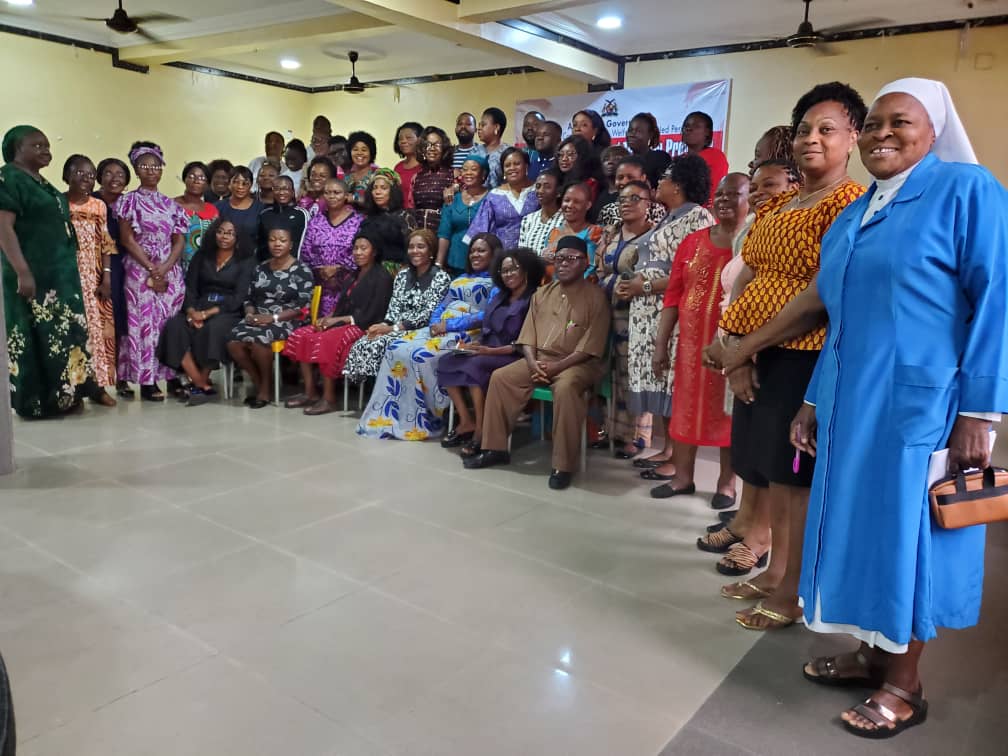
The initiative, spearheaded by the Abia State Commission for the Welfare of Disabled Persons, was unveiled during a sensitisation workshop in Umuahia that brought together teachers, health workers, parents, caregivers, and government agencies.
Speaking at the event, the Commission’s Chairman, Mr. David Anyaele, described the programme as a landmark move that would not only equip professionals to identify children with special needs but also provide direct support to their families. He stressed that the therapists would play a crucial role in tackling challenges that often prevent such children from thriving in school, social life, and community development.
“This sensitisation is a foundation. Before therapists enter classrooms and begin direct engagement with families, stakeholders must first understand their own role in ensuring inclusivity,” Anyaele said.
He explained that the government’s objective was to expand community knowledge about intellectual and learning disabilities, while also enabling stakeholders to identify local opportunities to help children integrate better.
Building Inclusive Communities
Anyaele emphasized the government’s commitment under Governor Alex Otti to empower persons with disabilities, protect their rights, and promote their dignity. According to him, the state is determined to ensure that all children, regardless of ability, enjoy equal access to education, healthcare, and opportunities to participate fully in society.
“It is our hope that participants here will support the governor’s investments in education and healthcare by ensuring inclusivity at every level,” he added.
The workshop, described as the first of its kind in Abia, will be extended to other local government areas to deepen grassroots engagement and raise awareness.
Early Intervention is Key
Delivering a lecture at the event, Mrs. Nnenna Osu, a Magistrate in the Abia State Judiciary and Founder of Brain Activate Initiative, underscored the importance of early intervention. She advised stakeholders to act swiftly whenever signs of intellectual or learning disabilities are observed.
“Timely and effective support can make all the difference in helping children achieve independence and dignity,” Osu said.
She further highlighted that globally, 2–3 percent of children live with intellectual disabilities, while 15 percent of students experience some form of learning disability ranging from mild to severe. She called for collaboration with professionals, support networks, and continuous education to ensure better outcomes for affected children.
Calls for Broader Action
Also speaking, Mrs. Matilda Anyamaele, Special Assistant to the Governor on Arts and Culture, praised the initiative but urged that it should not stop at government institutions. She called for the involvement of the private sector and community groups, stressing the need for more special schools that can offer personalized education for children with unique learning needs.
At the workshop, participants were reminded that many children with special needs often face stigma, discrimination, and unfair treatment because of ignorance.
Rev. Sr. Getrude Ukanwoko of St. Vincent De Paul Centre for Persons with Disabilities in Umuahia described the sensitisation as timely and highly educational.
“I have personally learnt a lot. Many of these children are misunderstood, mistreated, and even nicknamed unfairly. Programmes like this will help change that narrative,” she said.
A Turning Point for Special Needs Education in Abia
The move by the Abia State Government is seen by many advocates as a turning point in special needs education and disability inclusion. With the planned deployment of 250 therapists, hopes are high that children with intellectual and learning disabilities will have better access to support systems that foster their growth, education, and social integration.
The workshop ended with a renewed call for collective responsibility—that parents, caregivers, teachers, health workers, and communities must work hand-in-hand with government initiatives to ensure no child is left behind.
As Abia charts this new path, it sets an example for other states in Nigeria, showing that investing in children with special needs is not just a social responsibility, but a step toward building a fairer, more inclusive society.
Follow the The Qualitative Magazine channel on WhatsApp: https://whatsapp.com/channel/0029VanfIB50wajpjGi3JJ1G


