

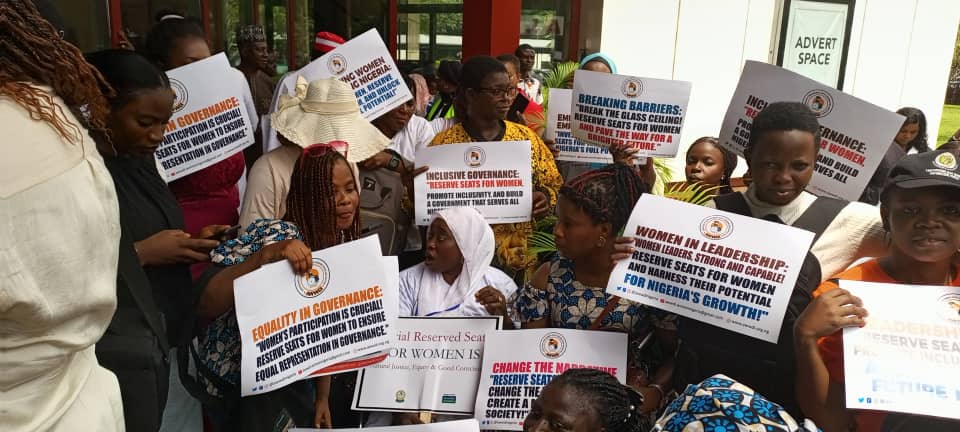
Abuja, Nigeria – September 22, 2025
A historic step toward gender-inclusive governance unfolded yesterday in Abuja as the Special Seats Bill was formally tabled for consideration at the Transcorp Hilton. The groundbreaking Bill seeks to amend Nigeria’s 1999 Constitution to reserve additional legislative seats for women—a move widely hailed as a turning point in the nation’s long struggle for gender equality and political representation.
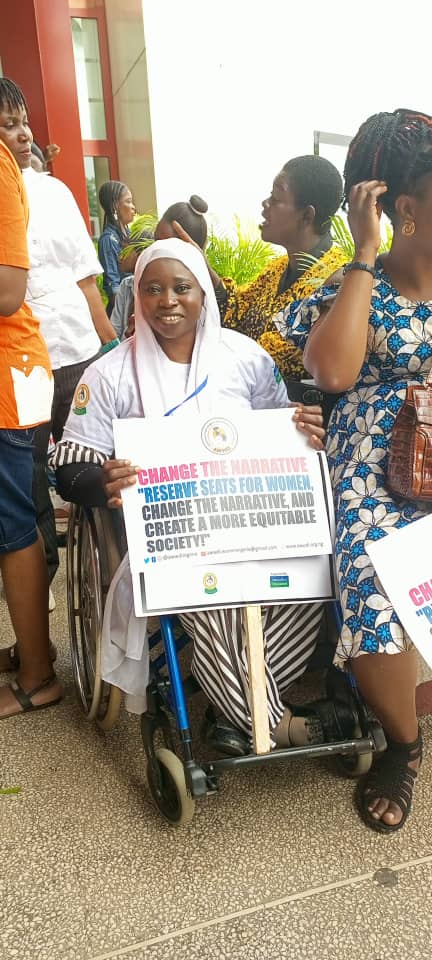
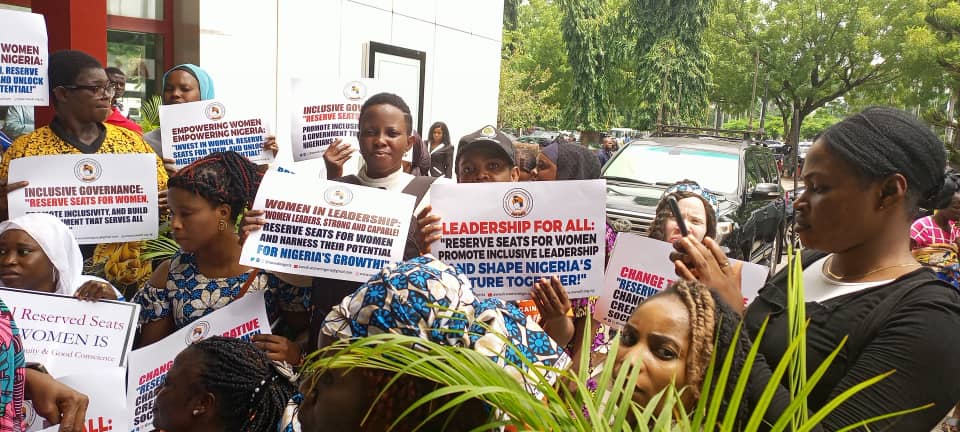
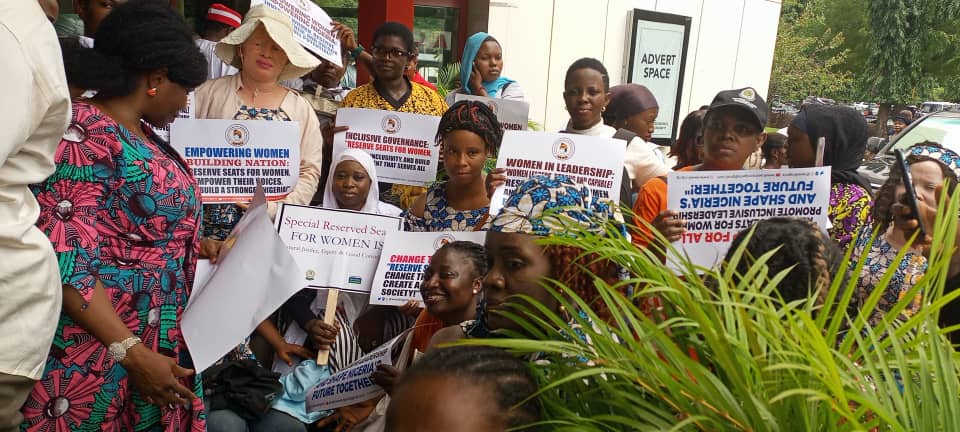
At the heart of this landmark moment was the Advocacy for Women with Disabilities Initiative (AWWDI), which led a powerful delegation of women and girls with disabilities to the event. Their presence sent a bold message: that women with disabilities are not just demanding visibility but insisting on their rightful place in the governance of Nigeria.
The event drew an impressive gathering of lawmakers, civil society groups, women’s rights advocates, development partners, and members of the media. Together, they highlighted the urgency of reform, drawing attention to Nigeria’s dismal global ranking—179th out of 186 countries in terms of women’s political representation. Currently, women hold less than 5% of seats in the National Assembly, an imbalance the Special Seats Bill is designed to correct.
Voices from the Movement
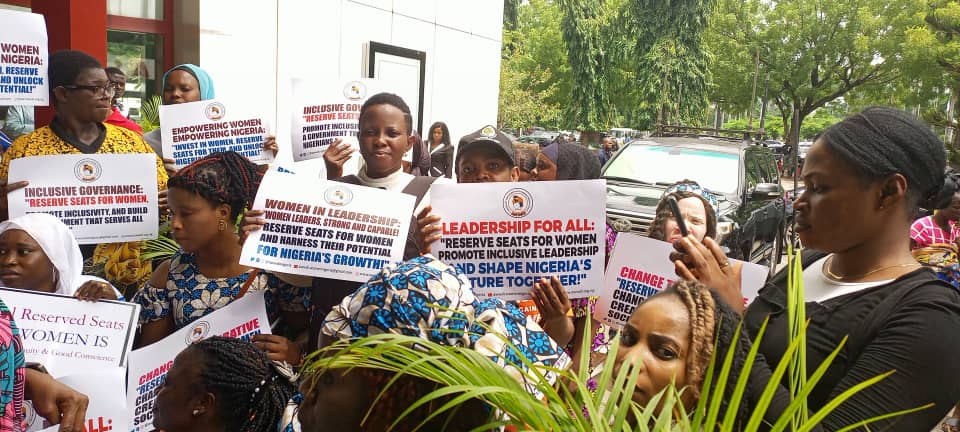
The program opened with a symbolic march-in led by AWWDI and dozens of women with disabilities, a vibrant demonstration of unity and determination. Their collective presence underscored one of the event’s central themes: the fight for equal representation cannot afford to leave women with disabilities behind.
The event featured deeply moving testimonies from women with disabilities, many of whom recounted their experiences of political exclusion, systemic barriers, and social stigma. Their stories highlighted the compounded marginalization they face as women and as persons with disabilities, making the case for constitutional reforms that ensure fair participation.
In a stirring address, Ms. Bilikisu Yakubu, National Coordinator of AWWDI, declared:
“The Special Seats Bill is not a privilege—it is a constitutional corrective measure. Women, especially women with disabilities, deserve equal seats where decisions are made. For far too long, we have been spectators in a game where we should be key players.”
Bill Provisions at a Glance
If passed, the Special Seats Bill will:
- Create one additional Senate seat and one House of Representatives seat for women in each of Nigeria’s 36 states and the Federal Capital Territory.
- Add three women’s seats in every State House of Assembly (one per senatorial district).
- Be implemented for 16 years (four election cycles) before undergoing a review.
This framework, advocates argue, represents not just an expansion of women’s voices in governance but a deliberate step toward balancing decades of structural exclusion.
Solidarity Across Nigeria
The program also featured solidarity messages from women’s groups across the country’s six geo-political zones, each reinforcing the urgent need for constitutional reform. Media advocacy sessions further amplified the call, ensuring the message of inclusion reached beyond the conference halls to Nigerians nationwide.
A Turning Point for Nigeria’s Democracy
Observers describe the formal tabling of the Special Seats Bill as a watershed moment—an opportunity for Nigeria to demonstrate commitment to gender justice and disability inclusion in governance. By carving out constitutionally protected spaces for women, the nation has a chance to correct historical imbalances and build a democracy that truly reflects the diversity of its people.
For the women of AWWDI and the countless others they represent, the fight is far from over. But yesterday’s milestone signals hope—hope that the voices of women, including women with disabilities, will no longer be silenced or sidelined in the decision-making processes that shape their lives and futures.
As one participant put it: “We are not asking for favors. We are demanding fairness, representation, and justice. Nigeria’s democracy will only be complete when no woman—especially those with disabilities—is left behind.”
Follow the The Qualitative Magazine channel on WhatsApp: https://whatsapp.com/channel/0029VanfIB50wajpjGi3JJ1G


