

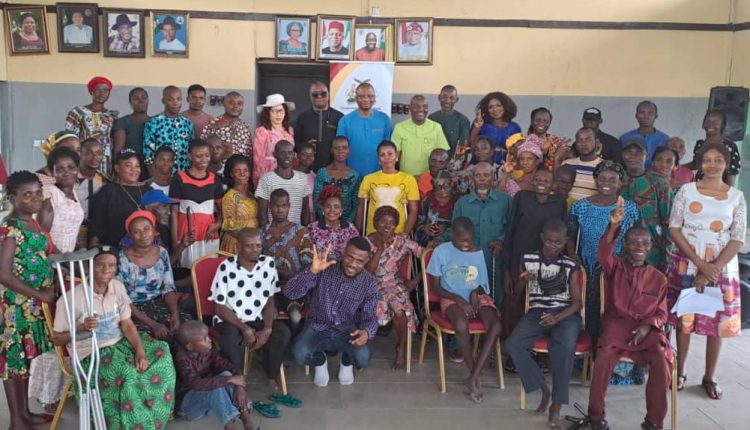
Ukwa East, Abia State — The Abia State Commission for the Welfare of Disabled Persons has announced plans to engage therapists for persons with intellectual disabilities across all 17 Local Government Areas of the state. The move, according to the commission, is aimed at helping them develop vital life skills such as speaking, playing, and living more independently of their parents or caregivers.
The disclosure was made by the Commission’s Chairman, Mr. David Anyaele, during a town hall meeting with persons with disabilities (PWDs) in Ukwa East LGA. The meeting brought together stakeholders, caregivers, and leaders of various disability clusters to chart a path toward stronger disability inclusion in Abia.
Building Independence and Dismantling Barriers
Speaking at the gathering, Anyaele explained that the commission is working to change the narrative for persons with intellectual disabilities by equipping them with the professional support they need to thrive.
“We will ensure therapists are available across all 17 LGAs. This will help children and adults with intellectual disabilities to live more independently, build their confidence, and reduce overdependence on their caregivers,” he said.
He further revealed that healthcare officers would be trained to provide services tailored to the needs of PWDs, stressing that children with disabilities must be able to go to school without discrimination or exclusion.
Caregivers Cry Out Over Harsh Realities
During the meeting, caregivers of persons with intellectual disabilities lamented the difficult economic situation they face. They highlighted the double burden of financial hardship and the challenges of supporting children and adults who, in most cases, neither hear nor speak.
Giving Voice to Disability Clusters
The town hall provided a platform for different disability clusters to present their specific challenges and requests:
- The Physical Disability Cluster called for support in sending children with disabilities to school, noting that societal attitudes and parental neglect often leave them uneducated. They also requested customized wheelchairs, motorcycles, and skill acquisition opportunities to foster self-reliance.
- The Blind Cluster asked for a mini-bus to serve as a source of income, along with allowances for the upkeep of less-educated members.
- The Deaf Cluster demanded a school for the deaf within the LGA and scholarships for deaf students. They lamented the high number of deaf persons—both adults and children—who do not understand sign language, leaving them excluded from education and opportunities.
Each cluster emphasized the urgent need for inclusive policies that would enable them to participate fully in society and achieve their potential.
Local Government Promises Action
Representing the Ukwa East LGA Chairman, Mrs. Thelma Ekeke, the Deputy Chairman, commended the Abia State Disability Law and called for its swift implementation.
“We will continue to support persons with disabilities. Ramps will be provided in buildings at the LGA headquarters to ensure accessibility,” she assured.
Her remarks were met with applause, as participants expressed optimism that local government leaders would match their words with action.
Commission’s Broader Agenda for Inclusion
Anyaele, accompanied by some board and staff members of the commission, explained that the state-wide visits to LGAs are designed to hear directly from PWDs and address their peculiar needs.
He highlighted several initiatives already embarked upon by the commission since its inception, including:
- Compiling data on persons with disabilities across the state,
- Conducting capacity-building programs for disability leaders,
- Training local government mayors and permanent secretaries on the Abia State Disability Law and principles of inclusion,
- Advocating for and ensuring that primary health centres are made accessible, including their toilets and other facilities.
Governor Otti’s Commitment
The Chairman further praised Governor Alex Otti’s administration for demonstrating strong commitment to the welfare of PWDs. He noted that the governor played a key role in securing the establishment of a Zonal Office of the National Commission for Persons with Disabilities in Umuahia, a development he described as historic for the state.
“The government has shown that disability inclusion is not an afterthought but a priority. We will continue to push for policies and actions that make Abia State a model of accessibility and inclusion,” Anyaele said.
A United Front for Disability Rights
The town hall ended with renewed determination from all stakeholders to ensure that persons with disabilities in Abia State are given the tools, opportunities, and dignity they deserve.
From calls for education and empowerment to government pledges of infrastructural accessibility, the meeting reflected a united resolve to dismantle barriers and build an inclusive society where no one is left behind.
As disability clusters across Abia await the rollout of therapists and support services, hope is growing that the commission’s promises will translate into tangible impact in homes, schools, and communities across the state.
Follow the The Qualitative Magazine channel on WhatsApp: https://whatsapp.com/channel/0029VanfIB50wajpjGi3JJ1G


