

Benin City, Nigeria – August 6, 2025
In a bold reaffirmation of its unwavering stance against Gender-Based Violence (GBV), the Edo State Government has called on all stakeholders to intensify collaborative efforts in combating the scourge, which continues to threaten the fabric of society.
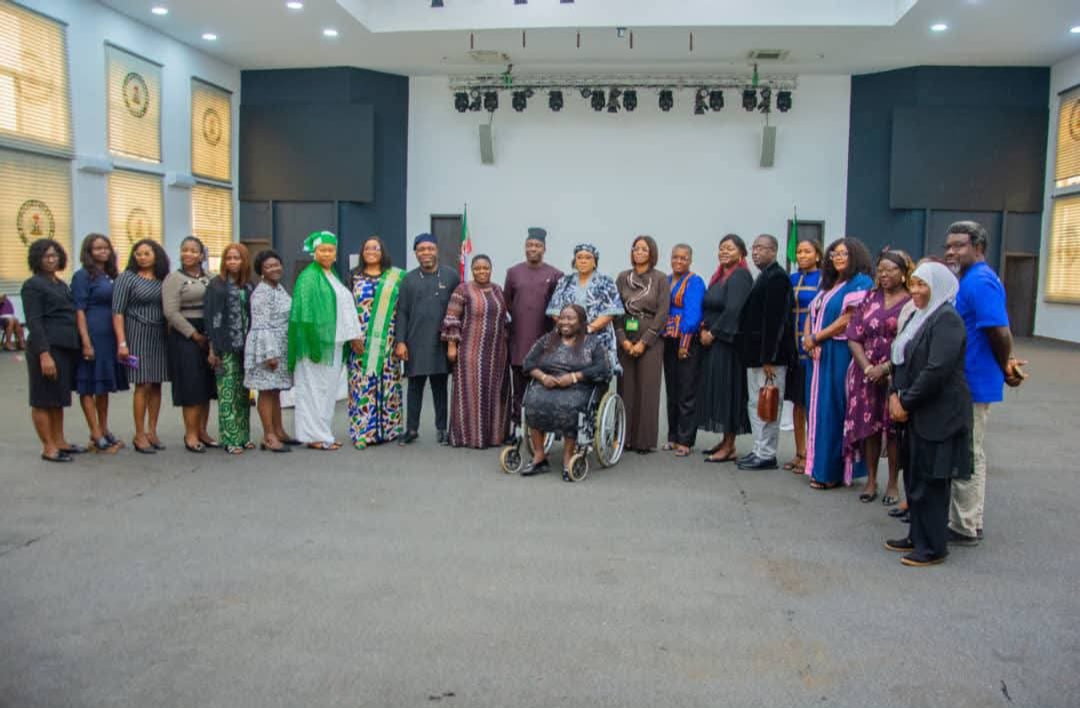
The call was made during the second Gender-Based Violence (GBV) quarterly meeting of 2025, held at the New Festival Hall, Government House, Benin City. Organized by the Office of the First Lady, the meeting brought together government officials, civil society actors, ministries, and development partners to review progress, evaluate existing frameworks, and reinforce commitments toward ending GBV in Edo State.
Delivering a keynote address, the Coordinator of the Office of the First Lady, Mrs. Edesili Okpebholo Anani, passionately emphasized that the battle against GBV is far from over and requires the active participation of every sector of society.
“Today, we are not just here to talk — we are here to act,” she declared. “We will build on our previous discussions and critically evaluate the state of gender-based violence in our communities. GBV affects individuals, families, and entire societies, and though often associated with women, it impacts people of all genders.”
Mrs. Anani described GBV as a violation of human rights that includes any form of violence directed at individuals based on their gender — from physical abuse and psychological intimidation to sexual coercion and economic deprivation. She stressed that addressing GBV is not just a moral imperative, but a collective responsibility.
Unmasking the Root Causes
Delving deeper into the root causes, Mrs. Anani identified poverty, harmful cultural norms, and lack of awareness as major drivers of GBV in Edo State and beyond.
“Poverty pushes people into desperate situations where they may act against their will just to survive. In such conditions, morality and ethics often take a back seat,” she observed.
She further explained that societal normalization of certain abusive behaviours, especially within patriarchal settings, has led many victims to remain unaware that they are being violated.
The GBV advocate also pointed to the rising influence of the internet and unregulated digital content on children and adolescents, citing a disturbing case of a young boy caught plotting against his parents after being exposed to inappropriate material online.
“Children often lack the emotional maturity to differentiate right from wrong. We must introduce structured GBV education in schools to help them understand boundaries, respect, and empathy,” she urged.
Parental Engagement as the First Line of Defense
In a compelling appeal to parents and guardians, Mrs. Anani stressed the importance of intentional parenting and values-based upbringing, noting that the family unit remains the most powerful tool in shaping responsible individuals.
“Parents must pay attention to who their children associate with, what they consume online, and how they behave. The home is the first school — and it must be a safe space for learning love, respect, and boundaries,” she added.
Tangible Progress, More Work Ahead
Also speaking at the event was Chief Bisi Idaomi, the Edo State Commissioner for Women Affairs and Social Development, who was represented by Mrs. Eseosa Onebamoi, the GBV Desk Officer.
Highlighting the strides the state has made in addressing GBV, Mrs. Onebamoi listed key institutional interventions including:
- The establishment of a Special Family Court to handle GBV-related cases;
- The creation of a Sexual Assault Referral Centre (SARC) to provide medical, psychological, and legal support to survivors;
- The successful prosecution of several GBV offenders;
- Initiatives targeting child welfare and protection, ensuring that no child is left vulnerable.
“Our efforts are yielding results, but we need to consolidate these gains by ensuring that every community, every school, every home is part of the solution,” she stated.
A Multi-Sectoral Dialogue for Impact
The quarterly GBV meeting featured progress reports and presentations from several Ministries, Departments, and Agencies (MDAs), including the Ministry of Women Affairs and Social Development, Ministry of Information and Communications, Ministry of Health, and Ministry of Justice.
Each stakeholder group presented action points, challenges, and recommendations on how to improve inter-agency coordination, data collection, and survivor support systems across the state.
The forum also discussed monitoring and evaluation frameworks to ensure the commitments made are followed through with measurable actions.
A Call to Action
As the meeting drew to a close, the atmosphere remained charged with resolve. Attendees agreed that the fight against Gender-Based Violence is not a task for government alone, but one that demands the proactive involvement of every citizen — from religious leaders and traditional rulers to educators, community gatekeepers, and the media.
Edo State, under the guidance of the Office of the First Lady, is determined to lead by example and serve as a beacon for other states in Nigeria and beyond.
As Mrs. Anani aptly put it:
“If we must build a safe and just society, we must first break the silence, challenge harmful norms, and protect the most vulnerable among us. Together, we can end gender-based violence — once and for all.”


