

By The Qualitative Magazine News Team | Abuja, Nigeria – July 2025
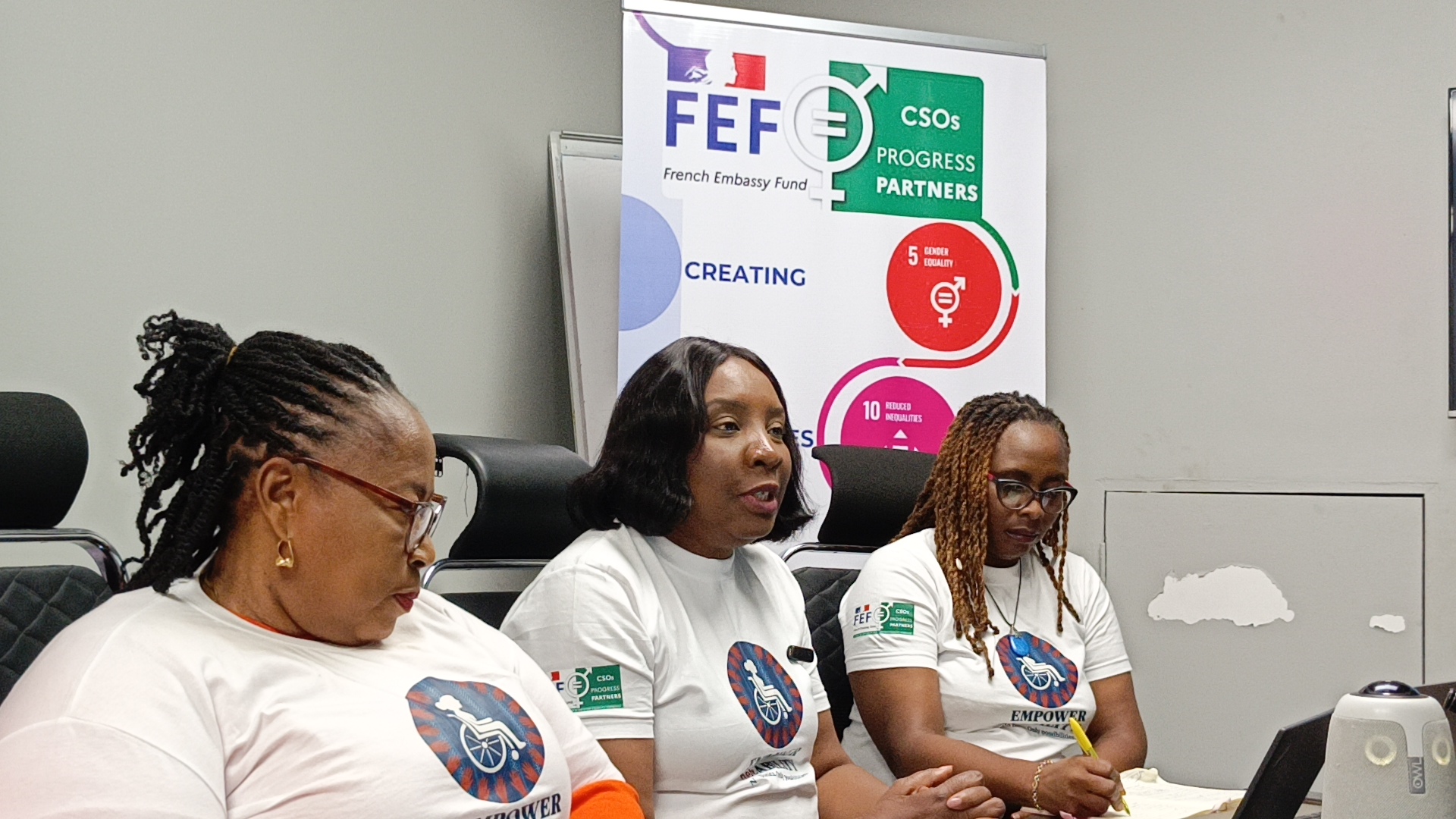
In a bold move to promote economic inclusion and dismantle deeply entrenched structural and attitudinal barriers, a new initiative titled “Empower Her Ability” was officially launched in Abuja on Friday, targeting women with disabilities aged 18 to 40 in the Federal Capital Territory (FCT).
The program is an initiative of Empower To Thrive Development Initiative in partnership with the MimiJane Foundation and the Joint National Association of Persons with Disabilities (JONAPWD), and is proudly funded by the French Embassy Fund for Civil Society Organizations.
Set against the backdrop of growing calls for gender equality and disability-inclusive development, Empower Her Ability aims to advance entrepreneurship, mentorship, financial inclusion, policy advocacy, and self-reliance for women with disabilities who often find themselves at the triple intersection of discrimination: disability, gender, and poverty.
A Project Born Out of Purpose
Speaking during the launch event, Dr. Ima Chima, Executive Director of Empower To Thrive Development Initiative, described the project as a timely and transformative response to the socio-economic exclusion of women with disabilities in Nigeria.
“This initiative is not just a training program—it’s a life-changing opportunity. These women will not only learn how to start and grow their businesses, but they’ll also gain access to financial services, mentorship, and platforms that connect them with real-world business opportunities,” Dr. Chima explained.
She revealed that the participants will undergo a hybrid model of physical and virtual training, with modules covering essential areas such as business development, financial management, marketing and sales, communication skills, leadership, digital visibility, and legal compliance.
“Our sessions are designed to be inclusive and adaptive, with real-world tools to support sustainable business growth. No woman will be left behind because of her disability,” she added.
Mentorship, Funding, and Real-World Exposure
A key component of the program is its robust mentorship framework. Each participant will be paired with an experienced entrepreneur whose expertise aligns with her area of interest. This personalized guidance is expected to provide the hands-on support and strategic advice needed to successfully navigate the business landscape.
In addition, the program will offer access to tailored funding opportunities such as micro-financing schemes, startup grants, and savings cooperatives, helping participants to overcome one of the biggest challenges facing small business owners: capital.
Participants will also benefit from ongoing coaching, motivational sessions, business check-ins, and exposure to business-building platforms including markets, exhibitions, and investor pitch events—ensuring they are not only equipped but also connected to opportunities that foster growth.
Policy Advocacy for Long-Term Change
Beyond business development, Empower Her Ability also seeks to serve as a catalyst for policy engagement and advocacy. The initiative will work to influence policy reforms that enhance the economic inclusion of women with disabilities and promote disability-inclusive business ecosystems.
“Our long-term goal is to build a model that can be replicated nationally and inform future programs and policies,” Dr. Chima noted. “This project has a ripple effect—we’re not just empowering individuals; we’re sparking a broader conversation on equity in economic development.”
Rooted in Global Commitments
Empower Her Ability aligns closely with Nigeria’s commitments to key international and national development frameworks, including the United Nations Sustainable Development Goals (SDGs)—particularly Goal 5 (Gender Equality), Goal 8 (Decent Work and Economic Growth), and the Disability (2020) Framework.
It also reinforces Nigeria’s obligations under the United Nations Convention on the Rights of Persons with Disabilities (UNCRPD) by promoting economic empowerment as a right, not a privilege.
Stakeholders Speak
The Executive Director of MimiJane Foundation, Amb. Beatrice Mube, described the initiative as “timely and impactful,” especially given the unique challenges faced by women with disabilities.
“Persons with disabilities are generally excluded, but women with disabilities face multiple layers of discrimination—by society, by institutions, and sometimes even by other women,” she said. “That’s why this project is different. It takes cognizance of reasonable accommodation to ensure the training is exceptionally inclusive.”
Emmanuel Jighjigh, who represented JONAPWD at the event, emphasized the importance of empowering women with disabilities, stating that:
“They are among the most marginalized groups, yet they have so much potential. When you empower a woman, you empower a community—empower a woman with disability, and you change a nation.”
One of the success stories from the pilot phase of the initiative, known as She Wins, Okeghene Jane, expressed deep gratitude for the support she received, which she said significantly boosted her business confidence and visibility.
“The training didn’t just teach me skills; it gave me the courage to believe in myself as a businesswoman,” Jane shared.
The Road Ahead
With Empower Her Ability set to directly impact 25 women with disabilities in the FCT during its initial phase, the vision goes beyond the numbers. The initiative aims to spark a broader shift toward inclusive business models, foster disability-inclusive networks, and stimulate national conversations around economic justice and equity.
The launch event brought together key stakeholders, media representatives, and disability advocates who pledged their support for the project’s vision and sustainability.
As the program kicks off, expectations are high—but so is the hope. A hope rooted in empowerment. A hope built on ability. And a hope that no woman will be left behind.


