


Abuja, Nigeria – June 14, 2025
In a landmark move to deepen the enforcement of disability rights and break the barriers of discrimination across Nigeria, the National Commission for Persons with Disabilities (NCPWD) has successfully organized a capacity-building training program aimed at equipping security agencies with the tools and knowledge to uphold the rights of Persons with Disabilities (PWDs).
The two-day training, held at the prestigious Hawthorn Suites in Garki, Abuja, brought together Nigeria Security and Civil Defence Corps (NSCDC) personnel and taskforce officers from the 36 states of the federation. The event, held in collaboration with Nightstone Global Ltd, was themed:
“Capacity Building for Safety and Wellbeing of PWDs in Nigeria through Enforcement Modalities.”
A Step Toward Accessible and Safer Nigeria for PWDs
This capacity-building initiative is a bold step by the NCPWD in fulfilling its core mandate—to protect, promote, and enforce the rights of over 35 million Nigerians with disabilities. The training targeted frontline officers responsible for law enforcement, public order, and safety, sensitizing them on their vital role in ensuring compliance with the Discrimination Against Persons with Disabilities (Prohibition) Act, 2018.
Delivering the keynote address on behalf of the Executive Secretary of NCPWD, Hon. Ayuba Gufwan, was Barr. Ikem Ochigbelam, the Commission’s Director of Compliance and Enforcement. He emphasized the critical role of security agencies in championing accessibility and anti-discrimination enforcement.

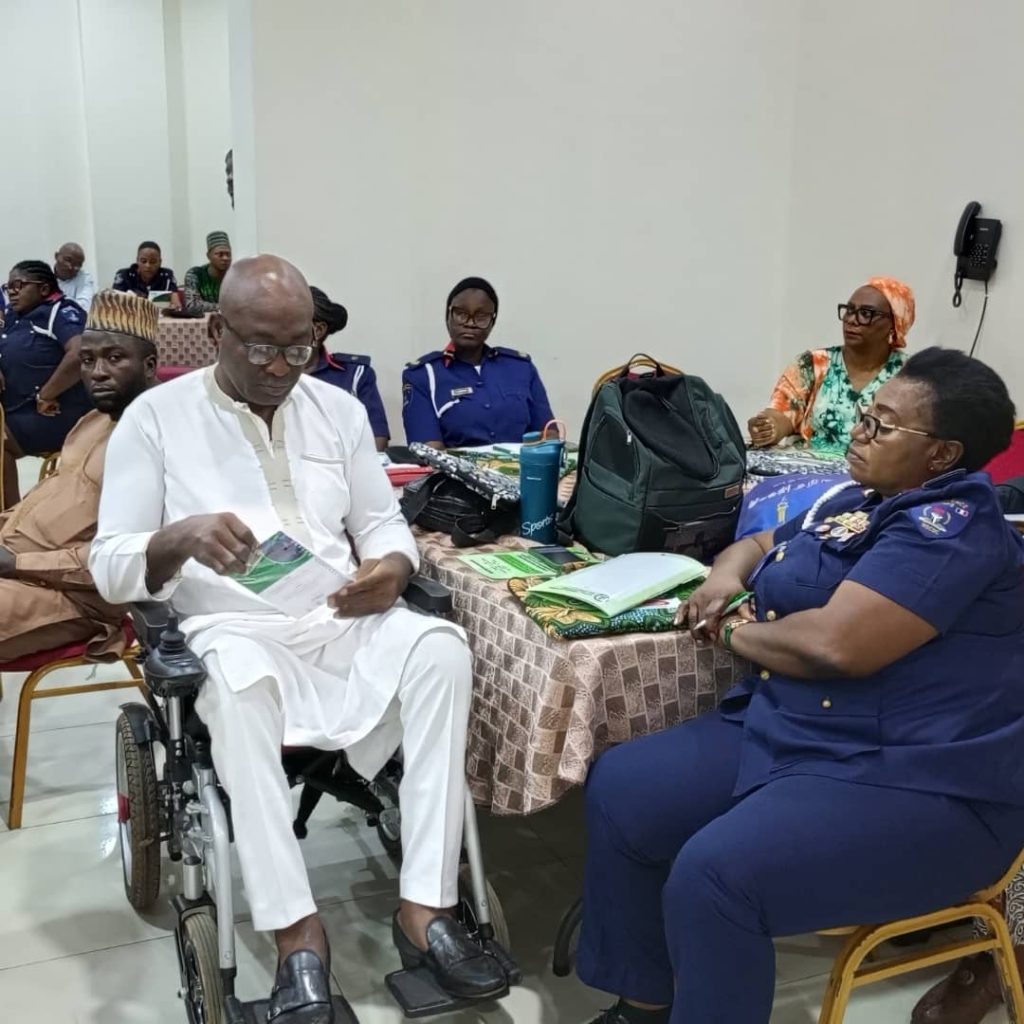
“Any law that is not enforced is as good as no law,” Barr. Ochigbelam stated emphatically. “The Discrimination Act is not just a document—it’s Aqo lifeline for millions of Nigerians who, for decades, have lived on the margins of society. We must not let this law gather dust—we must breathe life into it through action.”
Renewed Hope Agenda Gets a Boost
The Executive Secretary, in his remarks, applauded President Bola Ahmed Tinubu for his Renewed Hope Agenda, stating that the administration has shown growing commitment to the inclusion and empowerment of persons with disabilities in governance and social development.
“Through this agenda, we are beginning to see national attention toward breaking barriers and fostering dignity for every Nigerian, regardless of their physical or mental condition,” Hon. Gufwan said.
The Honourable Minister of Humanitarian Affairs and Poverty Alleviation, represented by Mr. Dauda Magaji, also lent his voice to the program’s importance. He praised the Commission for taking such a practical and inclusive approach to enforcement and reaffirmed the Ministry’s unwavering support.
“This training program is not just a box-ticking exercise—it is a bold signal that we are moving from advocacy to action,” Mr. Magaji noted. “We must empower those on the frontlines to interpret and implement the law effectively.”
Empowering Officers to Become Agents of Inclusion
The training content focused on practical enforcement strategies, including:
- Understanding the legal frameworks protecting PWDs.
- Modalities for ensuring public accessibility.
- Identifying and sanctioning discriminatory practices in public and private institutions.
- How security agents can serve as watchdogs for inclusion.
Participants also engaged in interactive sessions, case studies, and breakout discussions aimed at tailoring enforcement strategies to their various local contexts.
For many attendees, the experience was eye-opening.
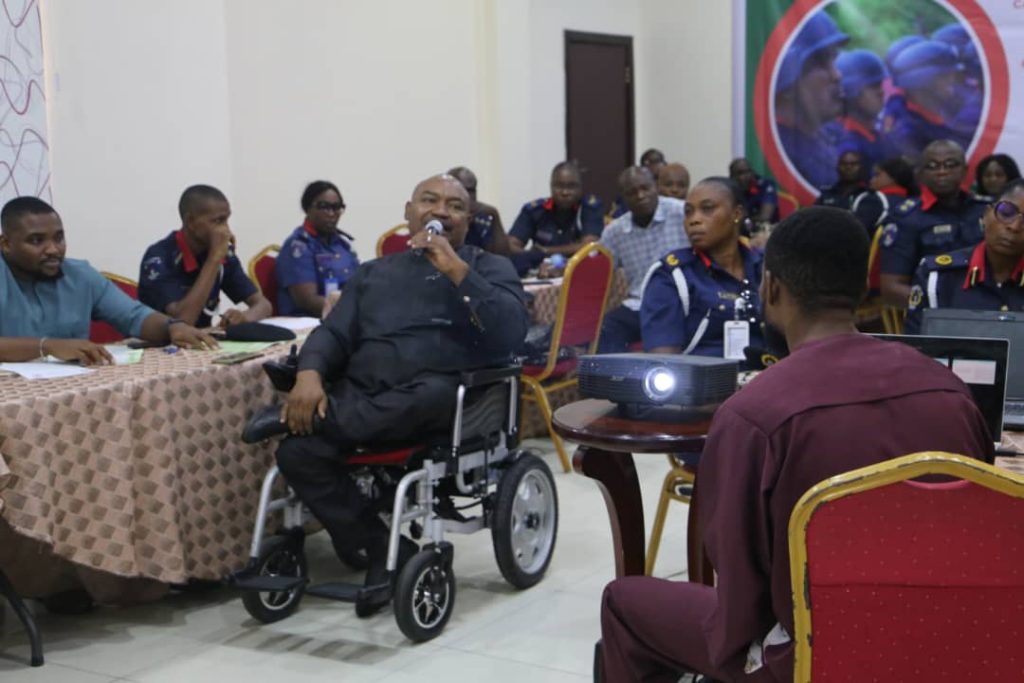
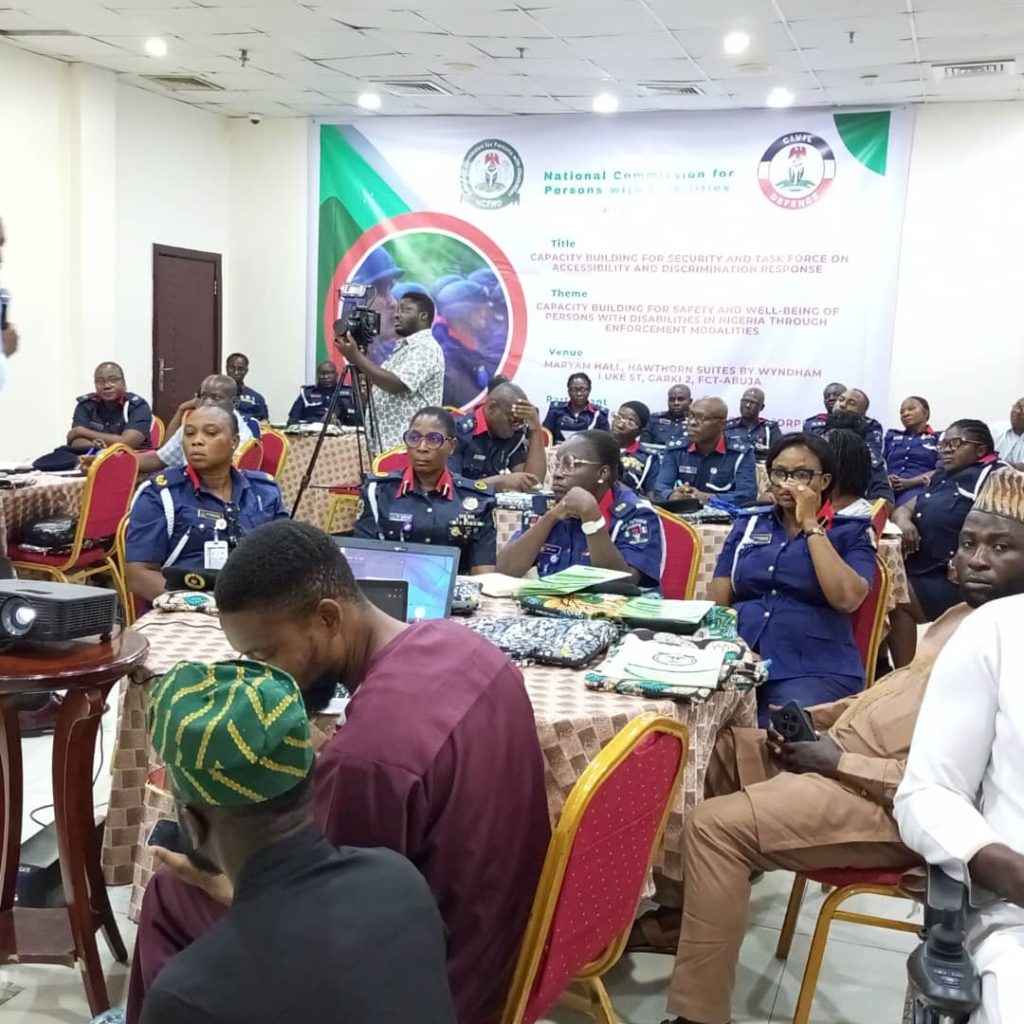
“This training changed the way I see disability rights,” said a participant from NSCDC, Lagos Command. “We now realize we have a key role to play in defending these rights, not just reacting to violations.”
A Call to Action—Not Just Awareness
The high point of the event was the presentation of certificates of participation to officers who pledged to serve as disability rights enforcers and ambassadors of inclusion. According to the Commission, these trained officers are expected to serve as focal points within their units, ensuring the principles of the Disability Act are mainstreamed into daily operations.
“It’s time for Nigeria to rise to the challenge of inclusion,” Barr. Ochigbelam declared. “It is no longer acceptable for a person in a wheelchair to be denied access to a building, or for a deaf woman to be ignored in a hospital. Change begins with enforcement.”
As Nigeria continues to strive toward a just and equitable society, this initiative by the NCPWD marks a major milestone in institutionalizing disability inclusion in national security and civil protection systems.
The National Commission pledged to continue working with relevant stakeholders, including the police, civil society organizations, government ministries, and the judiciary, to ensure no Nigerian is left behind.


