

Abuja, Nigeria – May 21, 2025
In a strategic move to fortify transparency, accountability, and institutional effectiveness, the National Commission for Persons with Disabilities (NCPWD) has launched a comprehensive three-day internal audit training program for its staff. The program, which began on Tuesday, May 20, 2025, in Abuja, marks a significant step in the Commission’s ongoing efforts to build a performance-driven culture anchored on integrity and professional competence.
Themed “Understanding the Working of the Internal Audit Relating to the National Commission for Persons with Disabilities,” the training is facilitated by the Commission’s Internal Audit Department and is designed to equip staff with a deeper understanding of audit processes, financial management, and interdepartmental synergy.

Investing in People, Strengthening the Institution
In his rousing opening address, Executive Secretary of the Commission, Hon. Ayuba Burki Gufwan, underscored the critical importance of continuous capacity building in public service. He emphasized that a competent and empowered workforce is the backbone of any successful institution.
“Training and retraining are the hallmarks of any successful organization. At the Commission, we are investing in our people to enhance productivity, efficiency, and service delivery,” he stated.
“We will continue to provide learning opportunities that equip our staff to meet the evolving demands of public service. Every individual improvement in capacity contributes to measurable institutional growth.”
Hon. Gufwan urged participants to approach the training with open minds and a commitment to excellence. He praised the Internal Audit Department for initiating the program and recognized the resource persons for their valuable expertise in strengthening institutional frameworks.
Demystifying Internal Auditing and Fostering Collaboration
The Head of the Internal Audit Department, Mr. Barretto M. O., offered a compelling overview of the training’s objectives, stressing the need to bridge knowledge gaps and clarify the often-misunderstood role of internal auditors within the organization.
“This training is deliberately structured to be practical and solution-driven. It is designed to empower staff with tools that will not only improve service delivery but also facilitate smooth and accountable interdepartmental collaboration,” Barretto explained.
He further emphasized that a functional and transparent audit system is essential not just for compliance, but for enhancing trust among partners, stakeholders, and the public. Mr. Barretto also called for structural reforms within the Commission, particularly advocating for the establishment of a dedicated Aids, Grants, and Donations Unit. Such a unit, he said, would centralize the management and documentation of financial support received from external donors and partners.
“A properly structured unit for managing grants and donations will not only boost transparency and record-keeping but also improve our credibility and capacity to attract international partnerships,” he added.
Topics That Matter: From Control Systems to Public Financial Management
Over the course of the three days, participants are being immersed in a wide array of strategic topics tailored to public sector dynamics and the peculiar needs of the Commission. These include:
- Principles of internal control systems and how they safeguard public resources;
- Audit compliance frameworks and the role of staff in ensuring regulatory adherence;
- Interdepartmental communication and liaison functions in relation to audit procedures;
- Best practices in public financial management, especially in donor-funded projects.
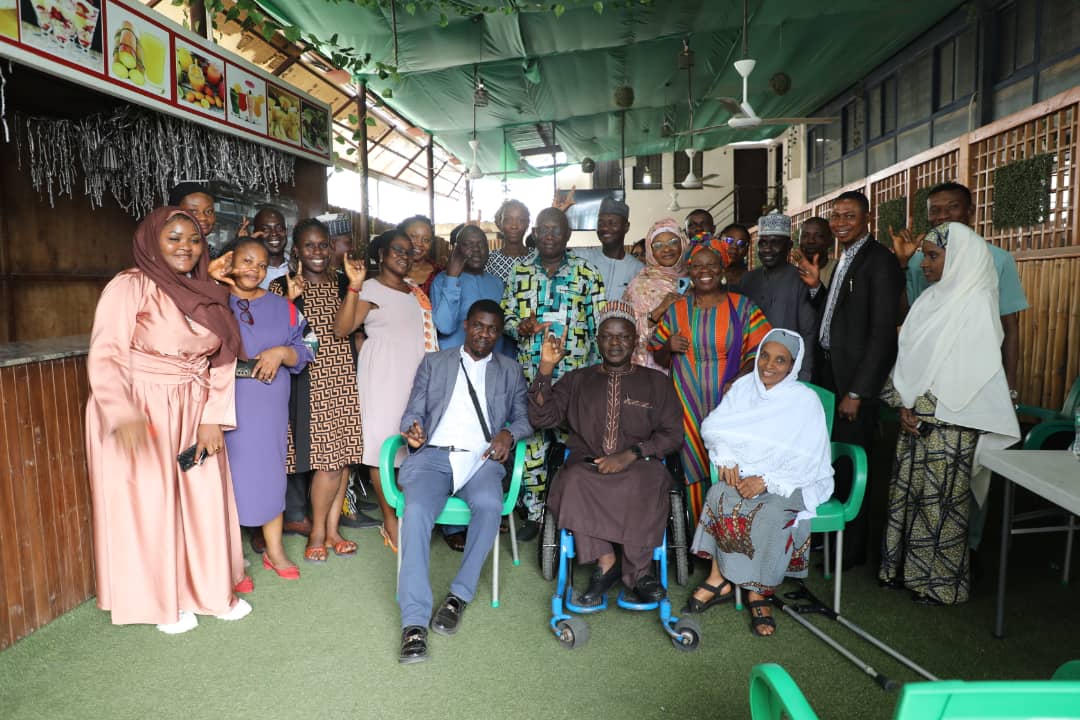
The training features seasoned facilitators and real-life case studies aimed at helping participants internalize practical applications of auditing principles. Staff from various departments and units are taking part, reflecting NCPWD’s inclusive and holistic approach to organizational development.
Commitment to Global Standards of Governance
The National Commission for Persons with Disabilities reiterated its resolve to align with global best practices in governance and service delivery. The training is part of a broader reform agenda to institutionalize integrity, professionalism, and efficiency across all layers of the Commission’s operations.
In an interview on the sidelines of the training, a senior participant from the Program and Planning Department expressed appreciation for the opportunity.
“This training has helped demystify internal audit. We now understand it not as a tool for punishment, but as a safeguard for better service delivery. I’m grateful to the Commission for this initiative,” she said.
A Culture of Excellence and Continuous Learning
As the training continues through Thursday, May 22, 2025, the mood among participants is one of eagerness and renewed commitment to excellence. The NCPWD believes that sustained professional development will not only improve staff performance but also enhance the overall credibility and impact of its work in advocating for and protecting the rights of persons with disabilities across Nigeria.
With this initiative, the Commission sends a strong message—accountability begins from within, and building a capable, informed workforce is essential to driving inclusive and transparent public service.


