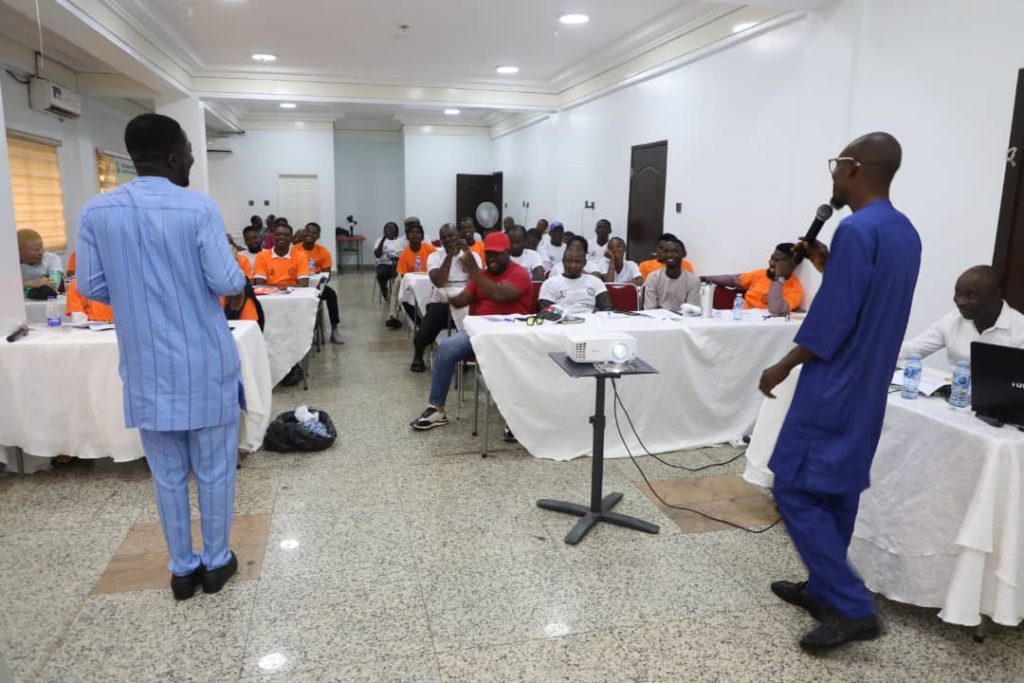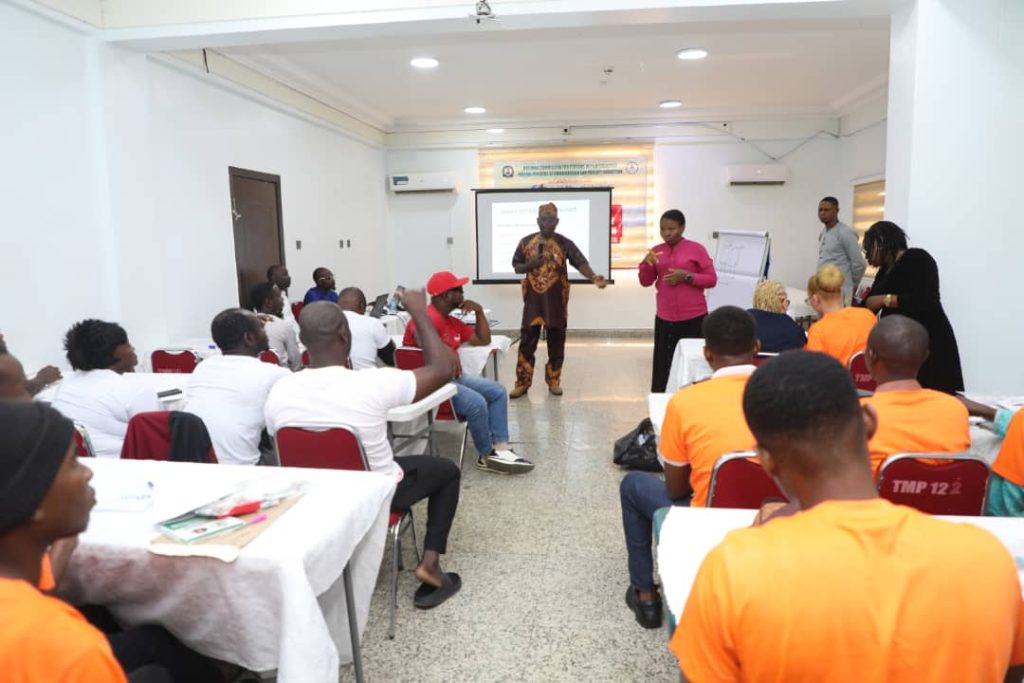

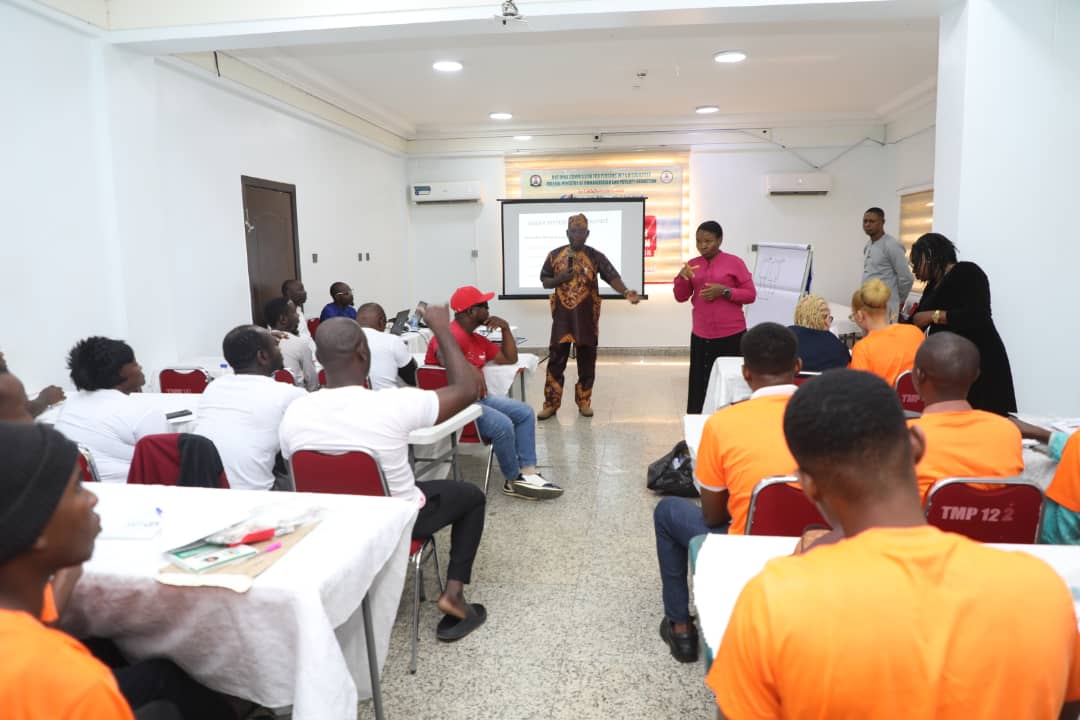
Abuja, Nigeria – May 15, 2025 — In a groundbreaking move that signals a brighter, more inclusive future, the National Commission for Persons with Disabilities (NCPWD) has launched an intensive two-day training in solar energy installation, empowering Persons with Disabilities (PWDs) with the skills to thrive in Nigeria’s booming renewable energy sector.
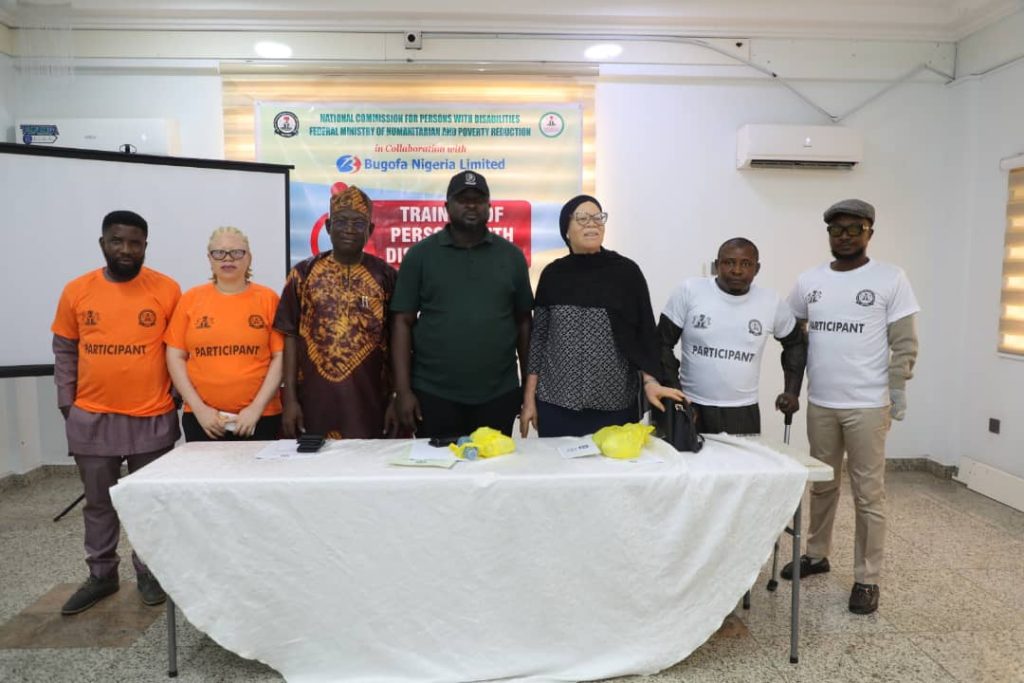
Held at The Meeting Point, Kaura District, Abuja, the training brought together enthusiastic participants from all 36 states of the federation. The initiative not only marks a strategic investment in technical skills for PWDs but also sends a strong message: inclusion is not charity—it is progress.
The solar training, delivered in collaboration with BUGOFA Nigeria Limited, underscores the Commission’s commitment to equipping PWDs with relevant, market-ready competencies that promote self-reliance and economic empowerment.
Turning the Tide: Disability is Not Inability
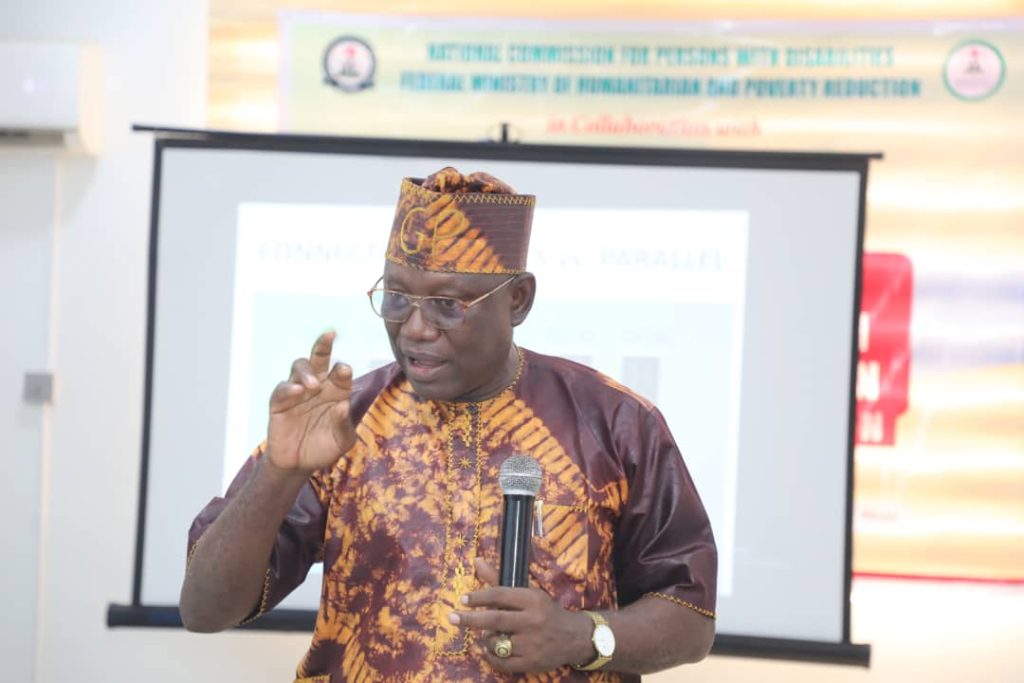
Representing the Executive Secretary, Hon. Ayuba Gufwan, the Director of Social Integration, Mr. Lawrence Idemudia, delivered a powerful charge to participants, framing the training as more than just a technical session—but as a gateway to dignity and opportunity.
“This training is more than just a skills development initiative; it is a testament to our unwavering belief that disability is not inability,” Mr. Idemudia declared. “We are not only imparting technical know-how but also reinforcing the message that PWDs can and should be central to Nigeria’s economic transformation, especially in sectors like renewable energy.”
Mr. Idemudia praised the courage, creativity, and determination of the participants, describing them as pioneers who are not waiting for change but becoming the change.
The Green Economy Meets Inclusive Development
The training aligns with the Commission’s broader strategy to integrate PWDs into Nigeria’s evolving green economy—one of the fastest-growing sectors globally. With increasing demand for clean energy solutions across homes, businesses, and public institutions, solar installation skills are not just relevant—they’re revolutionary.
According to experts at the workshop, renewable energy offers a rare opportunity to democratize economic participation and close the gap between marginalized groups and mainstream prosperity.
Hon. Ayuba Gufwan, through his representative, commended the Federal Government for creating an enabling environment that supports PWDs through the National Disability Act and through targeted programs such as this.
“With the right support and access to opportunities, persons with disabilities can become key players in Nigeria’s renewable energy sector—creating jobs, building businesses, and transforming communities,” he said.
A New Dawn for Empowerment
In an emotional address, Mrs. Oguntade, Director of Human Resources at the NCPWD, inspired the participants to see beyond the workshop and embrace a mindset of leadership and possibility.
“This is more than just a training session—it is the foundation of a new chapter in your lives,” she said. “You are capable, you are valuable, and you represent the future of a more inclusive and sustainable Nigeria. Embrace this opportunity with passion and purpose.”
She reminded the trainees that every solar panel they install, every connection they make, contributes not only to clean energy but to dismantling the age-old barriers of exclusion.
A National Commitment to Inclusion
The Commission reaffirmed its readiness to deepen collaboration with Ministries, Departments and Agencies (MDAs), private sector actors, and non-governmental organizations (NGOs) to scale up inclusive skill development programs nationwide.
“On behalf of the Executive Secretary and the management team, we are confident that this initiative will inspire more PWDs to take charge of their destinies,” Mr. Idemudia concluded. “We envision a nation where inclusion is not an afterthought but a foundation for national development.”
Participants, many of whom had never touched a solar panel before, left the event energized—some already discussing how to start small businesses, partner with local communities, and even return to their states to train others.
The NCPWD’s solar installation training isn’t just lighting bulbs—it’s lighting up futures.