

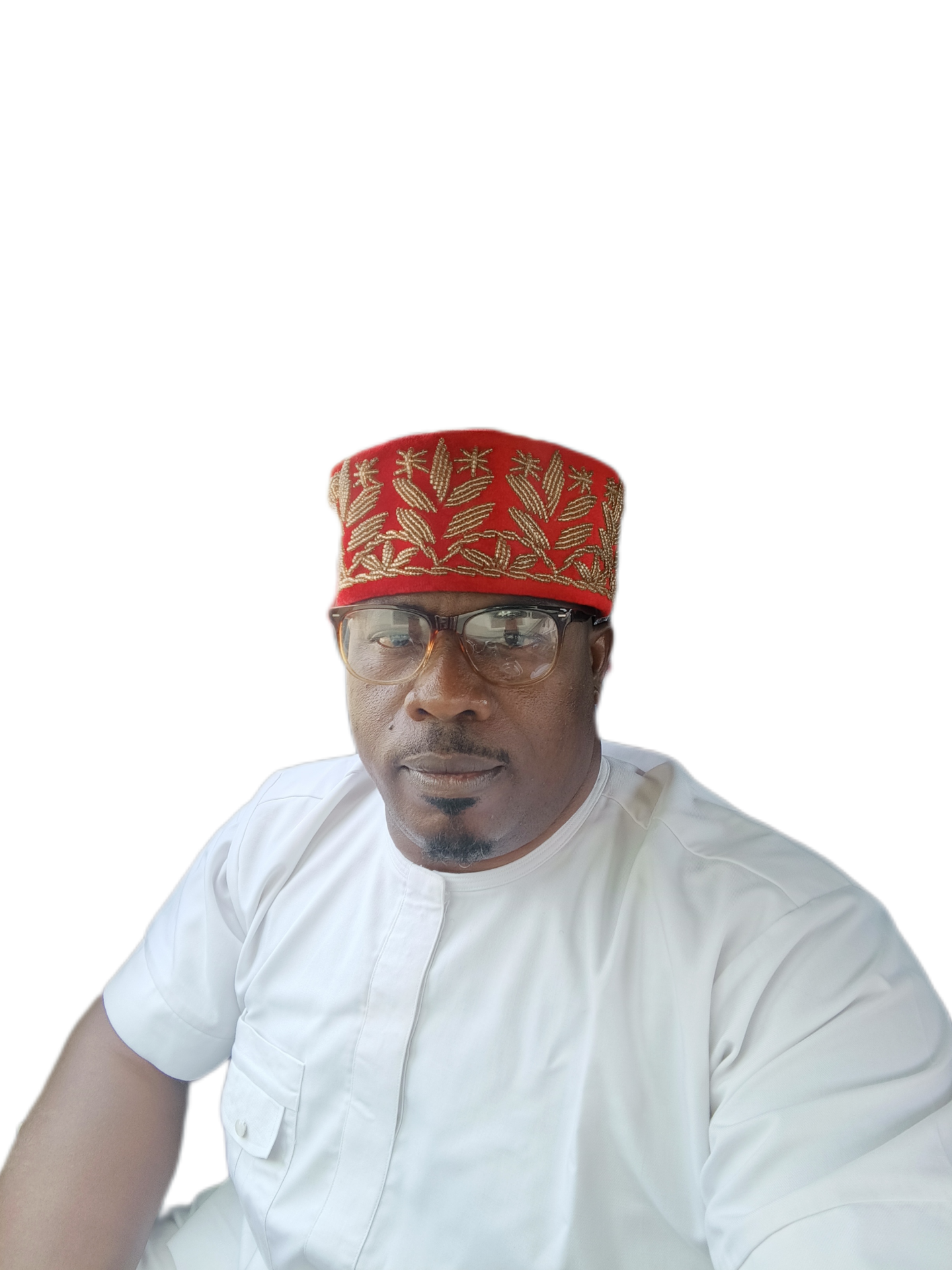
By Agbo Christian Obiora
Disability Rights Advocate | Executive Director, The Qualitative Magazine
For nearly two decades, disability advocates and Organizations of Persons With Disabilities (OPDs) in Nigeria have fought tirelessly for recognition, justice, and inclusion. From pressuring policymakers to urging development partners to channel resources toward disability-focused initiatives, their efforts have not gone unnoticed. Laws have been enacted. Policies have been formulated. Development partners are now investing heavily in disability programs. Disability rights are no longer on the sidelines—they’re on the agenda.
But even as these victories are being recorded, a critical question arises: Are the disability advocates and OPDs truly practicing the inclusion they preach?
A Troubling Pattern Emerges
Many OPDs have become recipients of substantial funding from international donors and development partners—resources that come with opportunities for contracts, training, media services, printing jobs, event planning, and more. Ideally, these opportunities should empower a broader spectrum of persons with disabilities—entrepreneurs, media practitioners, event vendors, designers, and others. After all, economic empowerment is a vital leg of inclusion.
Yet, a troubling trend has emerged. Rather than channeling these opportunities toward capable business owners and professionals with disabilities, some OPDs are engaging friends and associates without disabilities—leaving qualified PWDs (Persons With Disabilities) sidelined. The very people these funds are meant to uplift are watching the doors of opportunity close before them, as insiders without disabilities reap the benefits.
This is more than unfortunate—it’s unacceptable.
Inclusive Procurement: Not Just a Buzzword
If OPDs are to remain credible in their advocacy for inclusive governance, employment, and representation, they must begin with themselves. Inclusive procurement should be the norm, not the exception. It should be enshrined in the criteria of international non-governmental organizations (INGOs) that fund these OPDs. INGOs must go beyond asking whether OPDs are led by or serve persons with disabilities—they must also require them to empower persons with disabilities economically by giving priority to businesses owned and run by PWDs.
The formula is simple: Contracts should first go to qualified vendors with disabilities. Only when no such vendor exists should others be considered. This approach not only aligns with the spirit of disability inclusion but also uplifts the very community these organizations are meant to serve.
What About Capacity Building and Travel?
It’s the same story when it comes to travel opportunities for disability-related conferences, summits, and international learning exchanges. We cannot keep recycling the same few faces while hundreds of other capable individuals remain in the shadows. OPDs should democratize these opportunities, ensuring as many persons with disabilities as possible get exposure, experience, and a seat at the table.
One person’s exposure can be the spark that ignites community change. Limiting access to a few individuals hurts the movement’s long-term sustainability.
Collaboration, Not Competition
Another disturbing trend is the lack of synergy among OPDs. Instead of collaborating, many organizations are duplicating efforts, stepping on each other’s toes, and sometimes undermining each other—all while claiming to fight for a common goal. This competitive, “jack-of-all-trades” mentality is diluting the movement’s impact.
Every OPD should define a clear area of specialization—be it governance, media, creative arts, gender-based violence, or education—and refer opportunities to others when appropriate. Collaboration builds strength; competition breeds stagnation.
Take, for example, the proliferation of disability-focused radio programs. While the airwaves should certainly reflect diverse voices, the duplication of similar shows by multiple OPDs—sometimes at the expense of existing ones—can lead to unnecessary competition and waste of resources. Instead of launching new programs from scratch, why not support and fund existing platforms run by fellow PWDs? Collaboration can boost sustainability and visibility for everyone involved.
Vendors with Disabilities Deserve a Shot
From branded T-shirts and caps to banners, notebooks, and other event items—how often are these contracts awarded to businesses run by persons with disabilities? Rarely. This must change. Awarding such contracts to qualified vendors with disabilities can spark interest, build experience, and encourage others to pursue entrepreneurship in these areas. It’s a ripple effect of empowerment.
A Call for Self-Reflection and Reform
This piece is not written to shame, accuse, or diminish the efforts of hardworking OPD leaders or disability advocates. Many of them have sacrificed deeply for the cause. Rather, it is a wake-up call. A call to remember that inclusion must begin at home. That we cannot demand from the government and the world what we are unwilling to practice within our own ranks.
The time has come for OPDs to lead by example—to embody the inclusive world they envision. INGOs must support this shift by adopting inclusive procurement as a funding criterion, and OPDs must internalize that their role is not only to advocate but also to empower.
Let us not forget: the ultimate goal of disability advocacy is to create a world where no one is left behind—especially not by their own.
Let’s walk the talk. Let’s practice what we preach. The disability community in Nigeria—and the future we all hope for—depends on it.


