Tuesday, December 16, 2025
Home Blog Page 6

A360, KARISMA Abilities Foundation Empower Adolescent Girls with Disabilities in Nasarawa Through Reproductive Health and Hygiene Training

0

By Agbo Christian Obiora

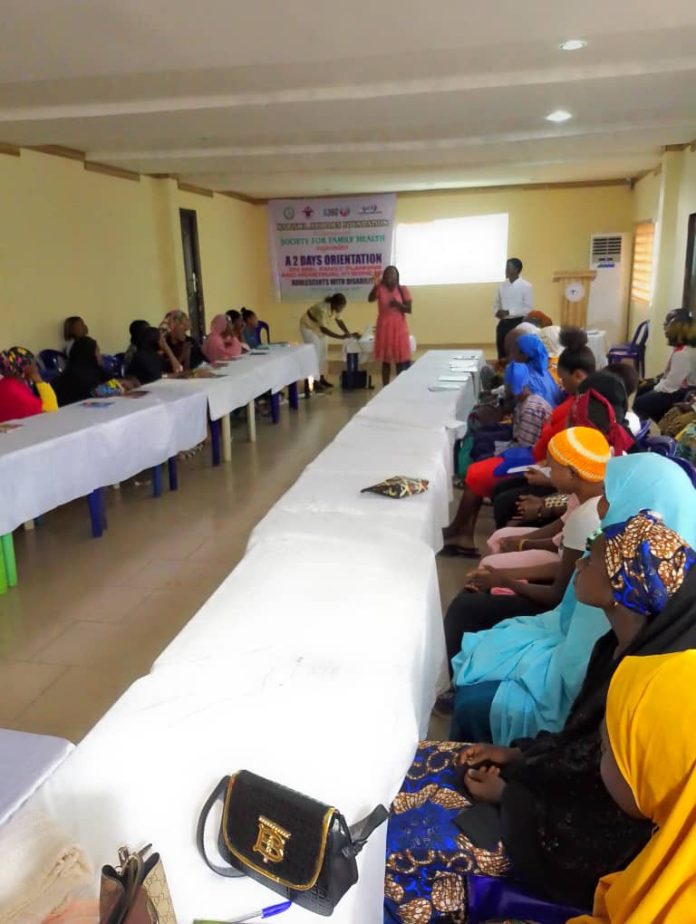
LAFIA, Nasarawa State — In a groundbreaking move to promote inclusive access to health education, the Society for Family Health (SFH), through its Adolescent 360 (A360) Initiative, in collaboration with KARISMA Abilities Foundation, organized a two-day orientation programme designed to empower adolescent girls and young women with disabilities with vital knowledge on menstrual hygiene, reproductive health, and family planning.

Held from October 23rd to 24th, 2025, at Tazu Luxury Hotel, Lafia, the training brought together an inspiring group of young women — including those with hearing, visual, and physical impairments — as well as a few without disabilities. The initiative aimed to equip them with essential information, build their confidence, and encourage informed decision-making about their bodies, health, and future.

Transforming Lives Through Knowledge and Inclusion

From the moment the programme began, there was an air of excitement and purpose. The opening session featured the National Anthem, followed by a warm welcome address from Mrs. Jessica Ayuba, Executive Director of KARISMA Abilities Foundation, who set the tone for what would become two days of learning, inspiration, and empowerment.

In her remarks, Mrs. Ayuba encouraged participants to actively engage and learn, emphasizing that the facilitators were experts committed to sharing accurate and practical knowledge.

A touching goodwill video message from Mrs. Veronica Uwajeh, Founder of KARISMA Abilities Foundation, was played during the opening. She commended the courage of the participants and reaffirmed the foundation’s mission to empower girls with disabilities through health education, self-awareness, and life skills. She also appreciated A360 for its collaboration, describing the training as “a step toward inclusive and equitable access to reproductive health information for all.”

Representatives from the Nasarawa State Disability Commission, including Mrs. Esther Andrew (Coordinator for Persons with Visual Impairments) and Mrs. Bridget Christopher (Coordinator for Persons with Hearing Impairments), lauded the initiative. They encouraged the participants to take advantage of the rare opportunity to learn and share, calling the training “a beacon of hope for girls who are often left out of such crucial conversations.”

Day One: Breaking Barriers and Building Confidence

The technical sessions began with Mrs. Faith Ochono, Quality Focal Person for A360, who introduced the Society for Family Health as one of Nigeria’s foremost organizations championing universal health coverage, social justice, and gender equality.

She explained that A360’s core mission is to empower adolescent girls and young women to make informed decisions about their sexual and reproductive health, particularly those from vulnerable and marginalized backgrounds.

Following her presentation, Mrs. Igomu Grace Enehi, Quality Focal Person II (A360), led a highly interactive session on “Sexual and Reproductive Health, Family Health, and Menstrual Hygiene: Learning to Stay Clean and Confident.” She broke down sensitive topics with simplicity and clarity, helping participants understand body changes, hygiene practices, and how to manage menstruation with confidence and dignity.

The session emphasized that menstruation is a natural and healthy part of life, not a source of shame or stigma. Participants were taught how to track their menstrual cycles, recognize reproductive health warning signs, and maintain good personal hygiene.

Mrs. Mildred Morgan, Adolescent Health Desk Officer, complemented the discussion by debunking common myths surrounding menstruation and puberty. She provided real-life examples and practical answers to questions raised by participants.

Day One ended on a cheerful note, as over 80 participants shared a meal together and reflected on what they had learned, expressing excitement about returning for the second day.

Day Two: Deepening Understanding and Strengthening Voices

The second day began with an energizing recap session led by Mrs. Faith Ochono, during which participants enthusiastically shared key takeaways from Day One. Representatives from each disability group — hearing, visual, and physical — took turns highlighting lessons learned, showcasing strong engagement and understanding.

Mrs. Ochono then facilitated a lively discussion on ovulation and fertility, explaining in simple terms how ovulation works and its importance in family planning and reproductive health.

The day’s main session, titled “Understanding Sexual and Reproductive Health: Your Body, Your Rights, Your Choice,” was delivered by Mrs. Igomu Grace Enehi. She discussed critical issues such as body autonomy, consent, and personal boundaries. In her words:

“Your body belongs to you. Consent means you agree by choice — no one has the right to make decisions about your body without your permission.”

Following this, Mrs. Ochono returned to lead a session on Family Planning, focusing on the benefits of informed choices, spacing of children, and the importance of being emotionally and physically ready for parenthood.

Mrs. Jessica Ayuba also led a session on “The Role of Aides and Support Staff,” emphasizing the importance of inclusive healthcare practices and respectful assistance to persons with disabilities. She encouraged healthcare providers and caregivers to prioritize communication, empathy, and accessibility in their approach.

Empowerment Through Awareness

By the conclusion of the two-day training, the atmosphere was filled with hope and empowerment. Participants expressed gratitude for the opportunity to learn about topics that are often considered taboo in many communities.

Many left with stronger self-esteem, improved knowledge of menstrual hygiene management, and a better understanding of their sexual and reproductive rights. Key messages echoed throughout the hall:

“Your body is beautiful and belongs to you.”

“You have the right to make your own choices.”

“Stay safe, stay clean.”

“Family planning helps you plan your future.”

These affirmations reinforced the core goal of the programme — to help young women with disabilities recognize their worth and take control of their health and future.

Documentation and Lasting Impact

The sessions were well-documented through photographs, videos, and interviews with facilitators and participants. Many of the girls shared how the training had dispelled long-held myths and fears, giving them confidence to discuss their health openly and seek help when necessary.

One participant who is visually impaired expressed joy at being included in such an important conversation:

“I used to think I couldn’t talk about things like menstruation or family planning because people might laugh at me. Now I know it’s my right to learn and to ask questions.”

Conclusion: A Model for Inclusive Health Education

The collaboration between Society for Family Health (A360) and KARISMA Abilities Foundation has set a new standard for inclusive sexual and reproductive health education in Nigeria.

This initiative not only bridged the information gap for girls with disabilities but also reaffirmed that inclusion is not a privilege — it is a right.

Through knowledge, empathy, and empowerment, these young women now possess the tools to live healthier, more confident, and more dignified lives.

As the curtain closed on the training, one thing was certain — the seeds of awareness, confidence, and inclusion planted in Lafia will continue to grow, transforming lives and communities across Nasarawa State and beyond.

Follow the The Qualitative Magazine channel on WhatsApp: https://whatsapp.com/channel/0029VanfIB50wajpjGi3JJ1G
“Vision Beyond Sight”: Redemption International for the Blind Celebrates Independence and Resilience at White Cane Safety Day 2025 in Jos

0

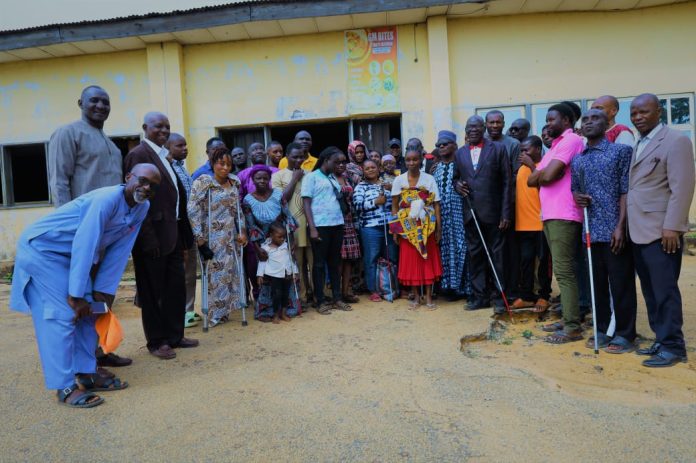
The atmosphere at the Village Hostel Cafeteria, University of Jos, came alive on October 16, 2025, as Redemption International for the Blind, in collaboration with Sightsavers Nigeria, hosted a memorable celebration of this year’s International White Cane Safety Day under the inspiring theme “Vision Beyond Sight: Celebrating Independence, Resilience, and Achievements of the Blind.”

The annual event, globally observed on October 15, is dedicated to recognizing the white cane as a universal symbol of independence, mobility, and empowerment for blind and visually impaired persons. It also draws attention to the need for inclusive environments where every person, regardless of visual ability, can thrive independently.

With more than 2.2 billion people worldwide living with blindness or visual impairment, the white cane remains a powerful tool of liberation — a guide to confidence, freedom, and dignity.

A Gathering of Strength and Hope

The celebration in Jos was a vibrant mix of advocacy, music, culture, and inspiration. Over 86 participants, mostly visually impaired students of the University of Jos, gathered to share stories of resilience, celebrate achievements, and advocate for greater inclusion in education and society.

The event venue, the Village Hostel Cafeteria — home to many of the visually impaired students — provided a familiar environment, though not without accessibility challenges. Despite paved walkways, participants had to navigate uneven paths and potholes, highlighting the pressing need for improved accessibility even within academic institutions.

Inside the hall, however, the energy was uplifting. The sounds of laughter, music, and camaraderie filled the air as blind participants showcased special numbers, cultural performances, and dances that reflected their optimism and creativity.

Dignitaries Commend the Resilience of the Blind

The program was anchored by Mr. Ayuba Isah Waziri, Director of Redemption International for the Blind, alongside Mr. Fwangkwal Hassan David, who both set the tone for an engaging and inclusive event.

In his welcome address, Mr. Waziri appreciated the support of Sightsavers and other partners, describing the day as one of reflection and renewed strength.

“The White Cane represents not just mobility, but our right to live independently and participate fully in society,” he said.

He further encouraged participants to embrace their inner strength and continue defying stereotypes with the belief that “there is ability in disability.”

The event also had in attendance the Chairman of the Plateau State Disabilities Commission, Dr. Lengnen Jurman, who commended the organizers for hosting a remarkable event that gave visibility to the blind community.

Dr. Jurman, while applauding Sightsavers and Redemption International for their commitment, called for stronger collaboration between government agencies and organizations of persons with disabilities. He expressed his willingness to ensure that persons with disabilities are carried along in state programs and employment opportunities.

“The Plateau State Government is open to inclusion. We want persons with disabilities to step forward, apply for opportunities, and be part of our collective development,” he assured.

Other notable guests included Mr. Bala Dakup, Chairman of the Board of Trustees of Redemption International for the Blind, Mr. Gabriel Gotus, Director of Advocacy, and Mr. Musa Buba, the Guest Speaker.

Songs, Culture, and Words of Encouragement

The celebration was not all speeches and formality. Participants rendered soulful songs and performed traditional dances that captured the joy and unity of the blind community. One of the most touching moments came when the Chairman of the Board of Trustees, Mr. Dakup, was ushered in with a lively Ngas cultural song, drawing cheers and applause from the crowd.

In his remarks, Mr. Dakup praised the unwavering commitment of the Redemption International for the Blind to empowering visually impaired individuals. He acknowledged the invaluable support of Sightsavers, and other stakeholders who have continuously worked to uplift the blind community in Plateau State and beyond.

“This organization is not just an initiative — it is a movement that restores dignity, promotes education, and redefines what it means to live without sight but not without vision,” he stated.

Refreshment, Accessibility, and Observations

Participants and guests were treated to a delicious meal of Jollof rice, salad, and chilled zobo drink — a simple but well-coordinated effort that made everyone feel valued and included.

However, the event also shed light on lingering accessibility gaps. The venue lacked ramps for wheelchair users and had uneven road surfaces, making movement difficult for the visually impaired. The restrooms were also in need of renovation, reflecting the infrastructural neglect often faced by persons with disabilities in public spaces.

Voices for Change

The interactive session was one of the highlights of the day, as visually impaired students courageously shared their experiences of discrimination on campus. In response, Dr. Jurman promised to address such issues through direct engagement with university authorities, encouraging students to report cases of marginalization.

“We must end every form of discrimination against persons with disabilities. Inclusion is not a privilege — it is a right,” he affirmed.

A Call to Action

The celebration concluded with heartfelt goodwill messages and group photographs, symbolizing solidarity and collective purpose.

The event underscored the importance of continued advocacy for accessibility, education, and empowerment for the visually impaired. It also reminded everyone that vision is not merely a function of the eyes, but of the mind, courage, and determination.

As participants departed with smiles and renewed hope, one thing was clear: the blind community is not seeking pity, but opportunity — a chance to live, learn, and lead on equal terms.

Follow the The Qualitative Magazine channel on WhatsApp: https://whatsapp.com/channel/0029VanfIB50wajpjGi3JJ1G
NCPWD Inaugurates National Forum for Heads of Disability Commissions and Agencies: A New Dawn for Inclusive Governance in Nigeria

0

By Agbo Christian Obiora

The National Commission for Persons with Disabilities (NCPWD) has inaugurated a landmark platform designed to unify and strengthen disability governance structures across Nigeria — the National Forum for Heads of Disability Commissions and Agencies.

The two-day inauguration workshop, held on October 27th and 28th, 2025, brought together an array of distinguished participants — including heads of state disability commissions and agencies, representatives of civil society, development partners, and key government officials — all converging to chart a more coordinated and effective path toward disability inclusion nationwide.

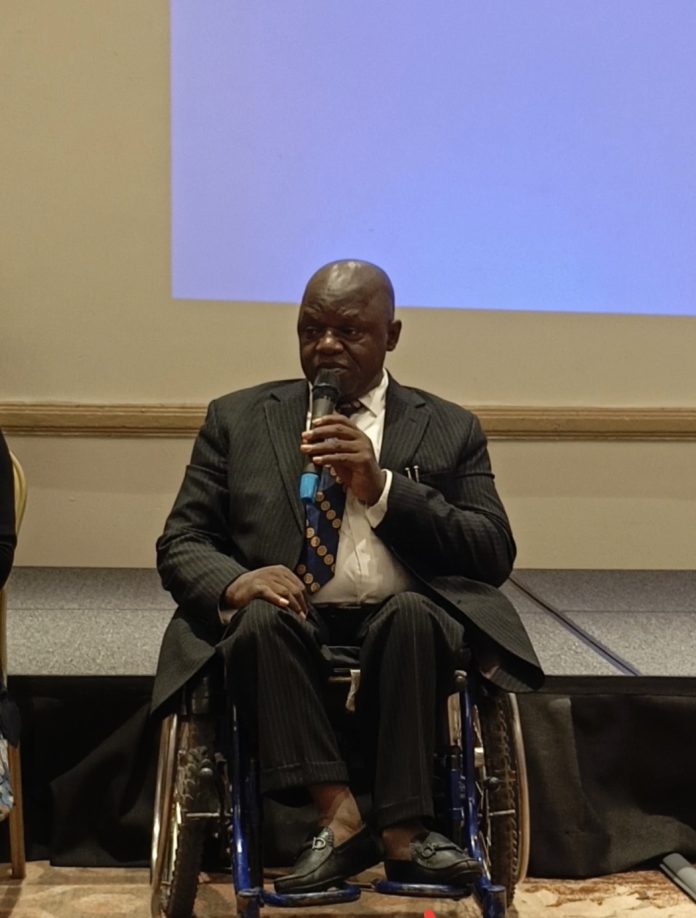
Declaring the event open, the Executive Secretary of NCPWD, Hon. Ayuba Burki Gufwan, described the inauguration as a “historic milestone in Nigeria’s disability inclusion journey.” He emphasized that the creation of the Forum marks a new chapter in the implementation of the Discrimination Against Persons with Disabilities (Prohibition) Act, 2018, and strengthens Nigeria’s commitment to the rights, dignity, and participation of persons with disabilities (PWDs).

“This gathering brings together the leadership of state-level disability commissions and agencies — our strategic partners in translating the Discrimination Against Persons with Disabilities (Prohibition) Act, 2018, into meaningful action at every level of governance,” Gufwan stated.
“The success of our national mandate depends not only on federal initiatives but on strong, functional, and empowered state institutions.”

According to the NCPWD boss, the newly inaugurated Forum will serve as a platform for coordination, collaboration, and knowledge exchange among state commissions, ensuring harmonization of policies, standards, and strategies that advance disability inclusion across the federation.

He explained that the Forum’s establishment is a response to the growing need for synergy between national and sub-national disability institutions to effectively address gaps in policy implementation, data collection, inclusive budgeting, and service delivery.

Towards Unified Disability Governance

Gufwan recalled that since the establishment of the NCPWD in 2020, the Commission has worked tirelessly to promote inclusion and protect the rights of persons with disabilities in all sectors of national life. However, he noted that sustainable success can only be achieved when all states actively align with the national disability framework.

“Our dream of a disability-inclusive Nigeria cannot be realized without the synergy and shared vision of each state’s disability commission or agency,” he said.
“The Forum we are inaugurating today will help ensure that no state or region is left behind in the national disability inclusion movement.”

The two-day workshop, which marks the operational take-off of the Forum, is designed to deepen discussions on strengthening institutional capacity, aligning state policies with national frameworks, and promoting inclusive budgeting and data-driven decision-making.

Other focal areas include collaboration with civil society, development partners, and the private sector, as well as ensuring the meaningful participation of persons with disabilities in governance and policy formulation.

Partners, Lawmakers, and Governors Commended

In his welcome address, Gufwan extended heartfelt appreciation to development partners — both national and international — for their unwavering support in advancing disability inclusion in Nigeria. He particularly acknowledged institutions such as International IDEA, among others, for their technical and financial contributions to the success of the Forum.

He also commended Honourable Ministers, Permanent Secretaries, and members of the National Assembly for their continued advocacy for disability rights and inclusive legislation.

Special recognition was also given to state governors who have established disability commissions or agencies in their respective states, for taking bold steps toward institutionalizing inclusion at the grassroots.

“To those states still in the process of establishing their commissions, we look forward to working closely with you to accelerate this important step,” he added.

A New Chapter for Disability Inclusion

Highlighting the significance of the Forum, Gufwan described it as more than an administrative coordination mechanism — he called it “a living platform for dialogue, innovation, and sustained progress.”

He noted that the Forum represents a shift from rhetoric to accountability and from isolated actions to a system-driven, collaborative approach that guarantees consistency and measurable impact in disability governance.

“Today is not just an inauguration,” Gufwan emphasized. “It is the beginning of a new chapter in disability governance in Nigeria — a chapter that emphasizes partnership over isolation, systems over silos, and accountability over rhetoric.”

He urged participants to take ownership of the process, contribute innovative ideas, and commit to strategies that will shape a more inclusive and equitable Nigeria for all.

“Inclusion is not an act of charity; it is an act of justice and an investment in national development,” he declared.

Looking Ahead

As deliberations continue over the two-day workshop, participants are expected to produce actionable resolutions that will guide the Forum’s operations and strengthen collaboration between the NCPWD and state disability agencies.

The Forum is also expected to establish clear communication frameworks, harmonized policy guidelines, and a unified monitoring mechanism to track the progress of disability inclusion initiatives across all 36 states and the FCT.

The inauguration of the National Forum for Heads of Disability Commissions and Agencies thus stands as a defining moment in Nigeria’s disability inclusion architecture — one that promises to foster unity of purpose, enhance accountability, and amplify the voices of persons with disabilities across every state of the federation.

As the curtains rise on this new era, the message from the NCPWD is clear: the journey to a truly inclusive Nigeria has entered a stronger, more coordinated phase — and no person with disability will be left behind.

Follow the The Qualitative Magazine channel on WhatsApp: https://whatsapp.com/channel/0029VanfIB50wajpjGi3JJ1G
SIGHTSAVERS RAISES ALARM: OVER 4.2 MILLION NIGERIANS ARE BLIND AND VISUAL IMPAIRED

0

— Calls for urgent investment in eye health and inclusion of persons with disabilities

By Agbo Christian Obiora
Keffi, Nasarawa State | October 25, 2025

A disturbing revelation has emerged as Sightsavers Nigeria, an international non-governmental organisation dedicated to preventing avoidable blindness and promoting disability rights, disclosed that more than 4.2 million Nigerians are currently blind or visually impaired, with many of these cases arising from preventable or treatable conditions such as cataracts, glaucoma, and uncorrected refractive errors.

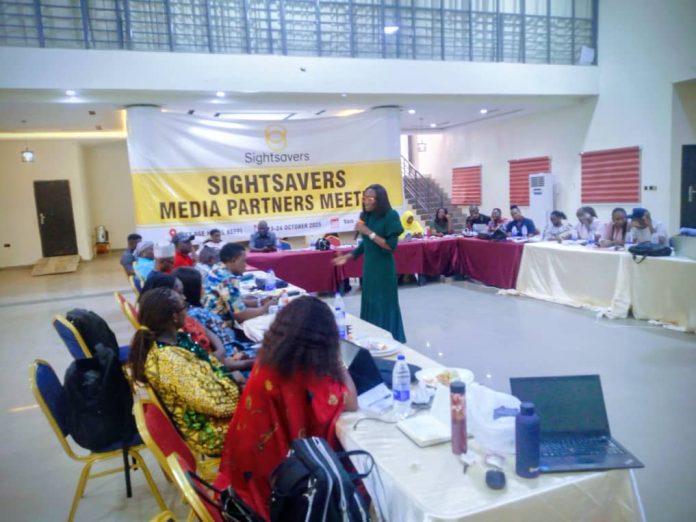
The alarming statistics were made known by Ms. Barbara Marok, Eye Health Programme Officer, during a two-day Media Partners Meeting organised by Sightsavers in Keffi, Nasarawa State, which brought together journalists from Kogi, Federal Capital Territory (FCT), Benue, Kwara, Niger, Nasarawa, and Plateau States.

Ms. Marok, while addressing the gathering, painted a worrisome picture of the state of eye health in Nigeria, emphasizing that despite the scale of visual impairment, only 4.4% of Nigerians have access to eye care services, compared to 38% in middle-income countries.

“Over 4.25 million Nigerians are blind or visually impaired, and the sad reality is that most of these conditions are preventable or treatable,” Marok lamented.
“Nigeria continues to lose billions of naira annually due to poor vision — losses that manifest in reduced productivity, lower income levels, and educational setbacks,” she added.

She called for increased awareness, improved funding, and equitable investment in eye health, particularly targeting rural and underserved communities, where lack of access to medical services continues to deepen the crisis.

Nigeria Bears 25% of Africa’s NTD Burden

In her presentation, Ms. Folake Aliu, Senior Monitoring, Evaluation and Learning Manager, NTDs/Safeguarding Lead, Sightsavers Nigeria, further highlighted the nation’s heavy burden in the fight against Neglected Tropical Diseases (NTDs).

According to her, Nigeria currently bears 25% of Africa’s NTD burden, a situation that has compounded the country’s public health challenges.

“Many causes of blindness in Nigeria are preventable — from cataracts to glaucoma and refractive errors,” Aliu said.
“Through our interventions, Sightsavers has tackled the five most prevalent NTDs: lymphatic filariasis (elephantiasis), river blindness (onchocerciasis), trachoma, intestinal worms, and schistosomiasis.”

She disclosed that as of 2024, Sightsavers’ global and national interventions have ensured treatment for over 653,130,744 million NTD Treatments to people, supported 74 local government areas to reach trachoma elimination thresholds, and provided 80% of the required technical and financial support towards trachoma elimination in Nigeria.

However, she noted that insecurity, poor government ownership, funding gaps, and ineffective implementation of health programmes remain significant barriers to the total elimination of NTDs across the country.

“Media is a Key Partner in Driving Change” — Prof. Joy Shuaibu

Earlier in her opening remarks, Prof. Joy Shuaibu, Country Director of Sightsavers Nigeria, represented by Mrs. Anita Gwong, Project Director, NTDs, described the media as a critical ally in championing the fight against avoidable blindness and disability exclusion.

She explained that the essence of the meeting was to equip journalists with accurate data, insights, and strategies to amplify issues surrounding NTDs, eye health, and disability inclusion.

“Sightsavers has impacted about 60% of Nigeria’s population through various health and inclusion interventions,” Shuaibu revealed.
“We need the media to continue to shed light on these issues, drive accountability, encourage government ownership of projects, and close funding gaps in the health sector.”

She emphasized that sustained collaboration with the media would help shape public discourse, influence policymaking, and ensure that no one is left behind in accessing healthcare and education, particularly persons with disabilities (PWDs).

Tackling Discrimination Through Inclusive Programming

Speaking on the intersection between disability inclusion and access to healthcare, Mrs. Esther Bature, Sightsavers’ Advocacy Coordinator, called attention to the persistent discrimination faced by Persons with Disabilities, which often deprives them of access to healthcare facilities, quality education, and other social amenities.

According to her, Sightsavers has been actively addressing these barriers through inclusive projects such as the Support Mainstreaming Inclusion to All Learn Equally (SMILE) initiative, Inclusive Family Planning Project, Inclusion Works II, and GESP-SABI Woman programme — all of which are designed to promote equality, inclusion, and empowerment for PWDs, especially women and girls.

“True inclusion means giving persons with disabilities the space to thrive — to learn, work, and live with dignity,” Bature said. “Through our advocacy and inclusive programmes, we are changing attitudes, policies, and systems to make that a reality.”

A Call for Collective Action

The two-day engagement is part of Sightsavers’ periodic capacity-building initiative for media professionals — an effort to strengthen media reportage on issues of eye health, disability inclusion, and NTD elimination in Nigeria.

By bringing journalists together from across North-Central Nigeria, Sightsavers aims to build a network of informed advocates who will keep the spotlight on avoidable blindness, disability rights, and inclusive health systems.

As the curtains fell on the meeting, one message resonated strongly among participants — that blindness and disability should no longer be barriers to living a full and productive life, especially in a nation with the resources and human capacity to change the narrative.

“Together, we can eliminate avoidable blindness, tackle NTDs, and create a more inclusive Nigeria,” one participant declared. “But it starts with awareness — and the will to act.”

Follow the The Qualitative Magazine channel on WhatsApp: https://whatsapp.com/channel/0029VanfIB50wajpjGi3JJ1G
GOMBE STATE COMMISSION FOR PERSONS WITH DISABILITIES PARTNERS WITH QATAR CHARITY TO EMPOWER STUDENTS WITH MOBILITY DEVICES

0

…Governor Inuwa Yahaya hailed for his inclusive leadership

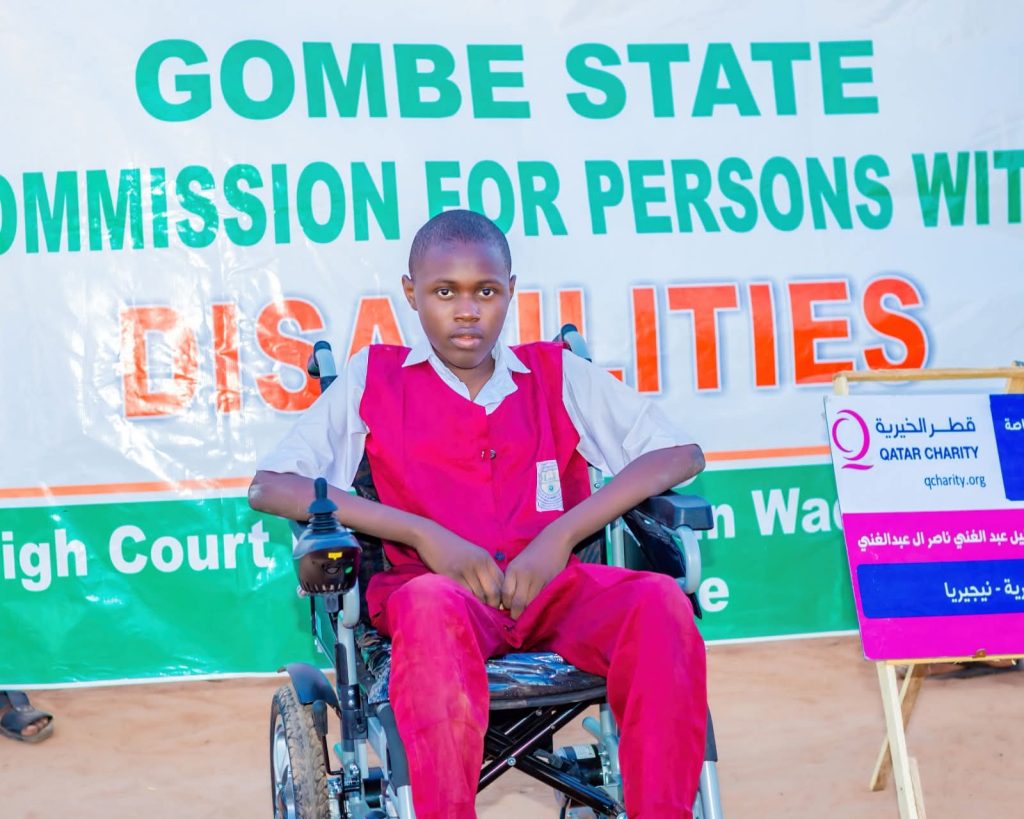
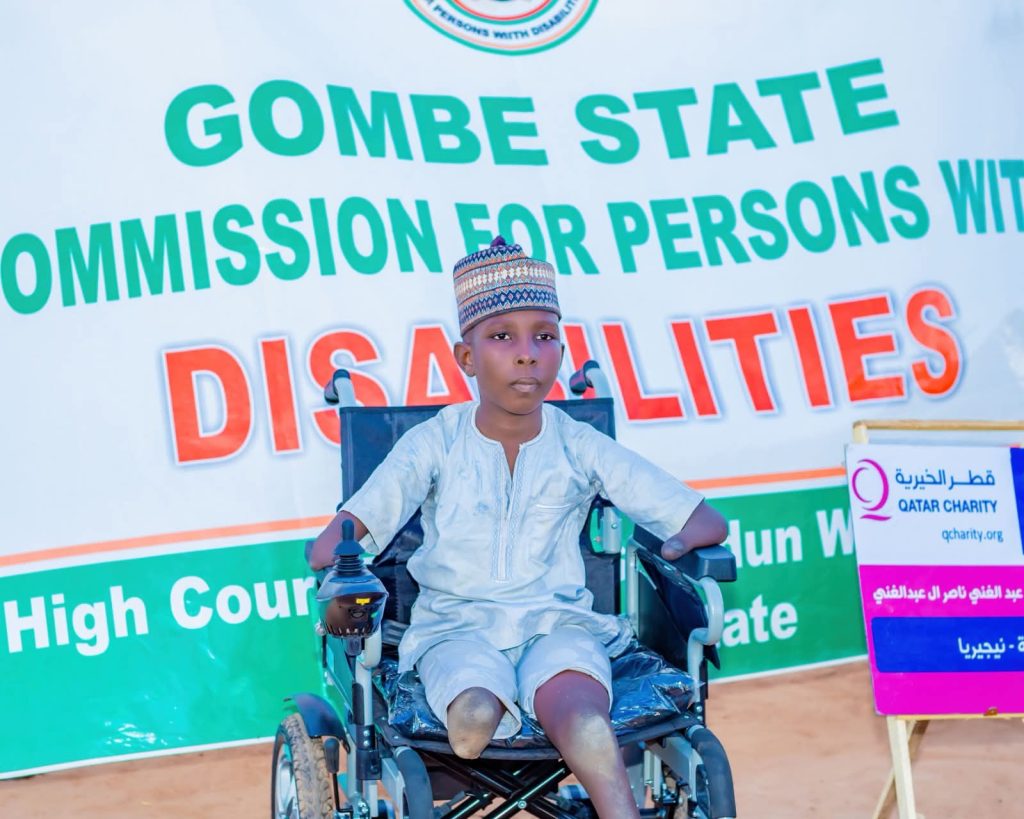
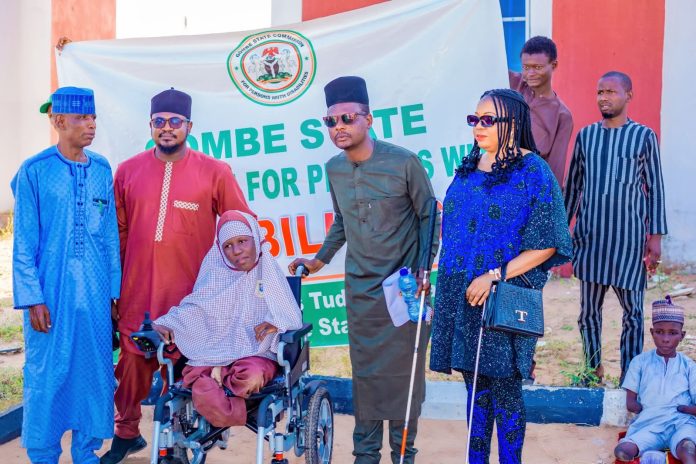
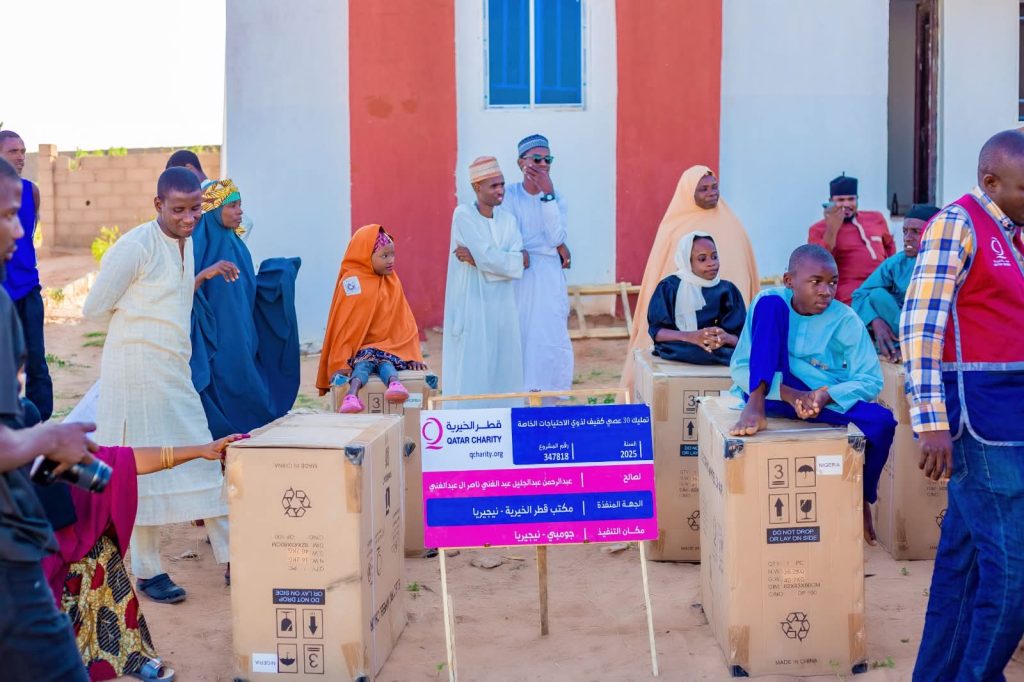
In a remarkable show of compassion and commitment to disability inclusion, the Gombe State Commission for Persons with Disabilities (GSCPWD) has taken another bold step toward empowering persons with disabilities — particularly students — by distributing mobility devices in partnership with the Qatar Charity Organisation.

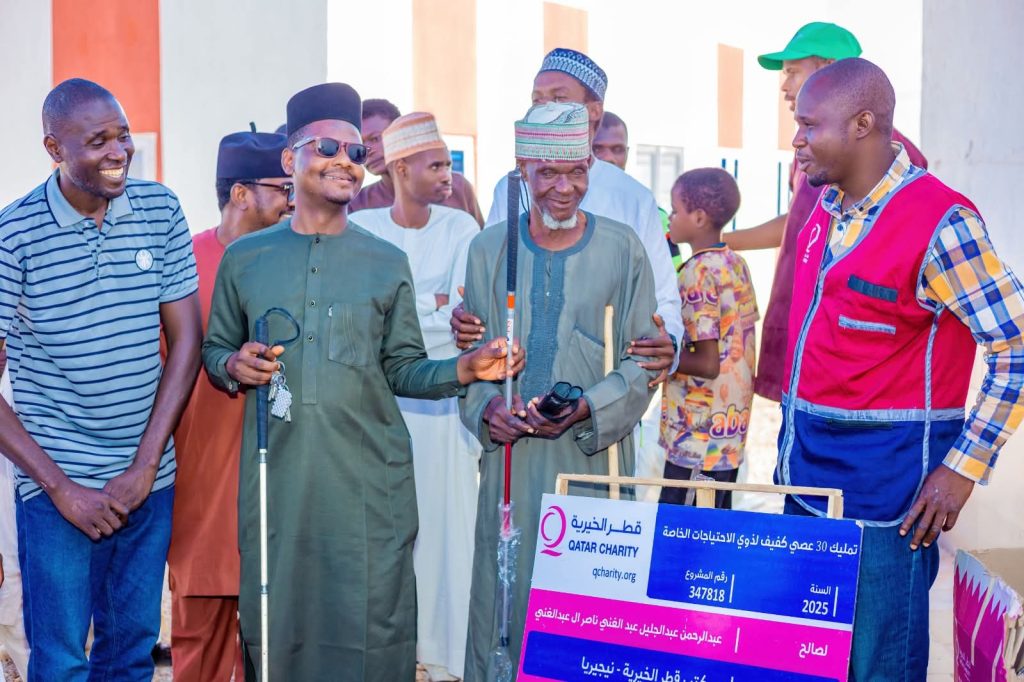
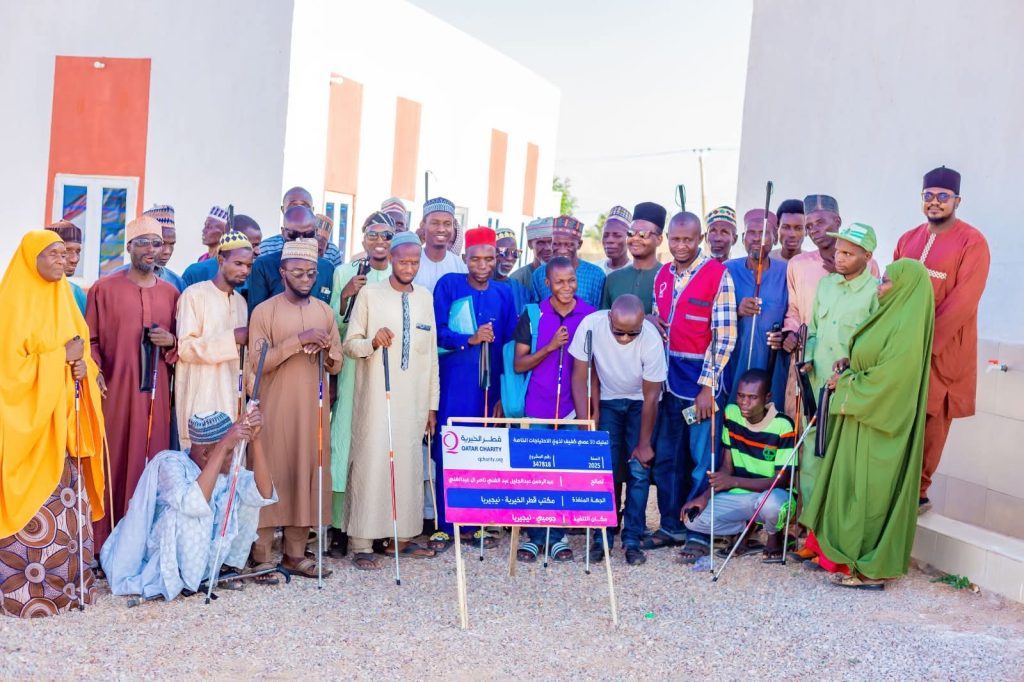
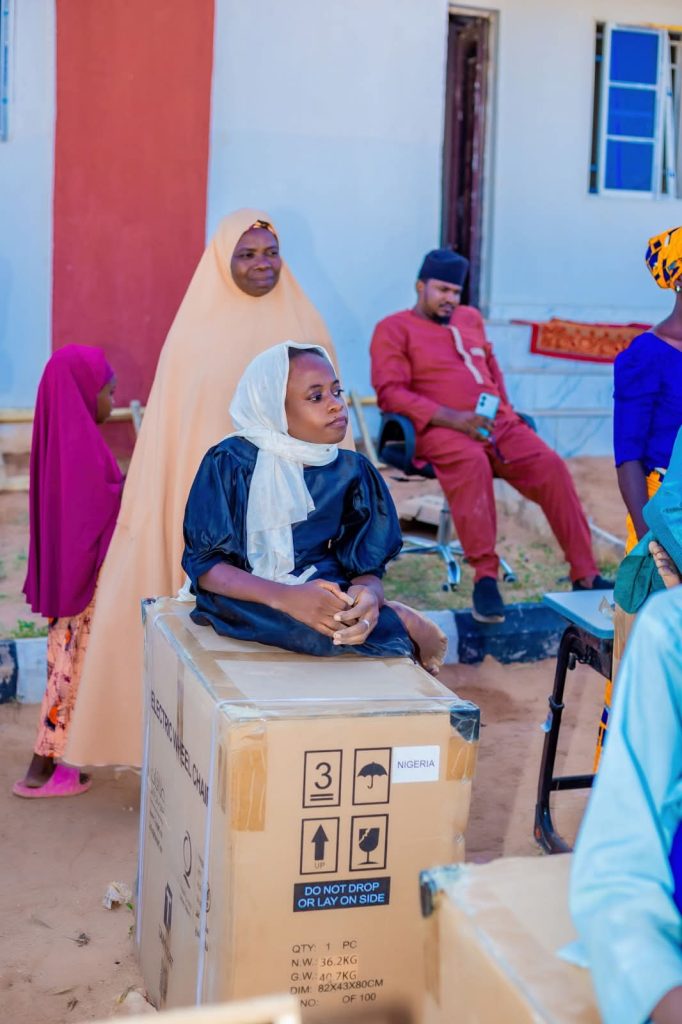
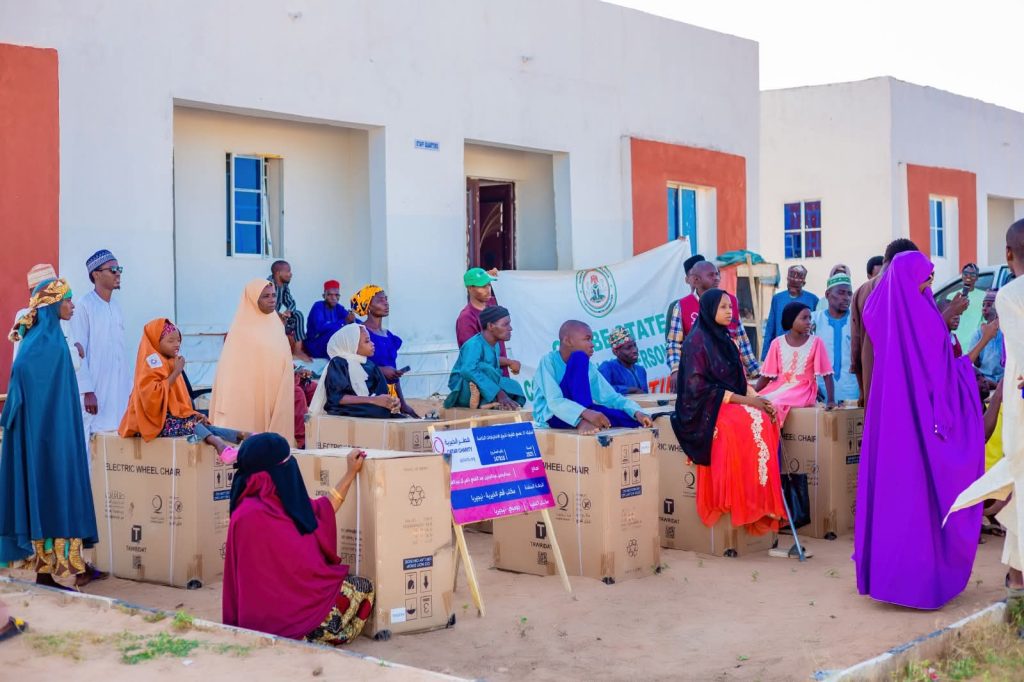
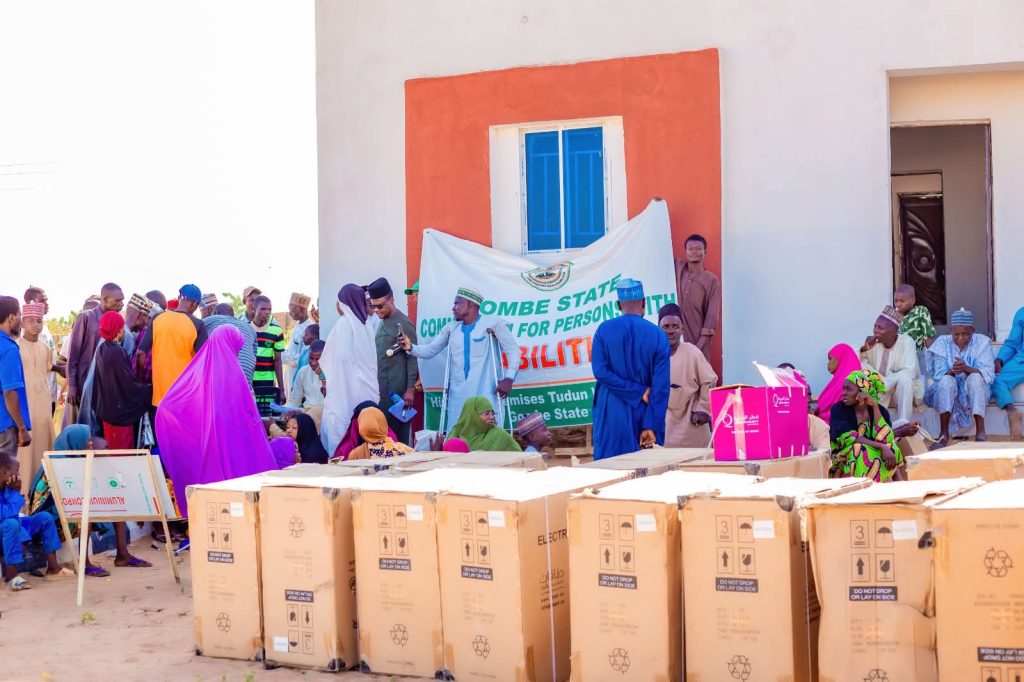
The heartwarming event, which held in Gombe, brought smiles and renewed hope to dozens of beneficiaries who received electric wheelchairs and white guide canes, designed to enhance their independence, education, and dignity.

The initiative, according to the Commission, is part of a broader effort to break barriers limiting access to education for students with disabilities and to ensure they can move, learn, and live with dignity like their peers.

Addressing the gathering, the Executive Chairman of GSCPWD, Hon. Ishiyaku Adamu, commended Qatar Charity for its humanitarian spirit and unwavering commitment to supporting the disability community in Nigeria. He described the partnership as “a true reflection of shared humanity and inclusive development.”

“These devices are valuable and life-changing,” Hon. Ishiyaku said with gratitude. “I urge all beneficiaries to handle them with care, make the best use of them, and keep praying for our partners and our Governor, who has remained a true friend of persons with disabilities.”

He also expressed deep appreciation to His Excellency, Governor Muhammadu Inuwa Yahaya, for his visionary leadership in establishing the Gombe State Commission for Persons with Disabilities — a move he said has repositioned the state as a model of disability inclusion in Nigeria.

“The Governor’s commitment has gone beyond policy,” Ishiyaku added. “It has translated into practical empowerment and life-changing interventions that continue to touch lives across the state.”

The atmosphere at the event was filled with emotion as families and students expressed heartfelt gratitude. One of the most touching moments came from Mrs. Aishatu Aliyu Usman, the mother of one of the student beneficiaries, who could not hide her tears of joy.

“This is truly a dream come true,” she said, her voice trembling with emotion. “For years, I carried my daughter, Khadija, on my back because she couldn’t use a normal wheelchair, and we couldn’t afford an electric one. Today, we received one free of charge. It’s a life-changer for our family. We thank the GSCPWD and Qatar Charity for bringing hope and dignity back into our lives.”

The donation, which focused on students with visual and physical impairments, underscores the state government’s determination to ensure that no child is left behind in the pursuit of education due to disability-related barriers.

Hon. Ishiyaku further revealed that the Commission is already making plans to extend similar support to other disability clusters, including the hearing impaired and persons with intellectual disabilities.

“This is just the beginning,” he assured. “We are working on more empowerment initiatives and assistive devices tailored to meet the unique needs of every group within the disability community. Our goal is full inclusion, not partial charity.”

Observers at the event lauded the GSCPWD’s strategic collaboration with international partners like Qatar Charity, describing it as a model for sustainable humanitarian engagement. Many praised the Commission’s focus on “empowerment with purpose” rather than token gestures, noting that access to mobility aids is a fundamental right that restores dignity, independence, and opportunity.

The Gombe State Commission for Persons with Disabilities, established under the administration of Governor Inuwa Yahaya, continues to stand out as one of the most active and impactful disability-focused agencies in Northern Nigeria. Through a blend of advocacy, empowerment, and partnership, the Commission has become a beacon of hope for thousands of persons with disabilities across the state.

With this latest initiative, Gombe State reinforces its position as a state leading the charge toward a more inclusive, accessible, and equitable society, where every citizen — regardless of physical condition — can thrive and contribute meaningfully to development.

As the beneficiaries rolled away joyfully in their new wheelchairs and white canes in hand, one message resonated clearly across the venue: inclusion is not just an act of charity — it is justice, humanity, and progress in motion.


Follow the The Qualitative Magazine channel on WhatsApp: https://whatsapp.com/channel/0029VanfIB50wajpjGi3JJ1G
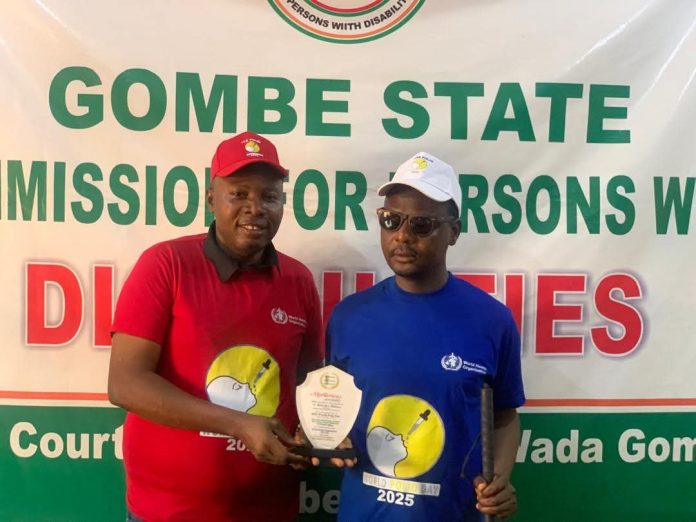
GOMBE STATE MARKS WORLD POLIO DAY IN GRAND STYLE, HONOURS ISHIYAKU ADAMU FOR CHAMPIONING INCLUSIVE ADVOCACY

0

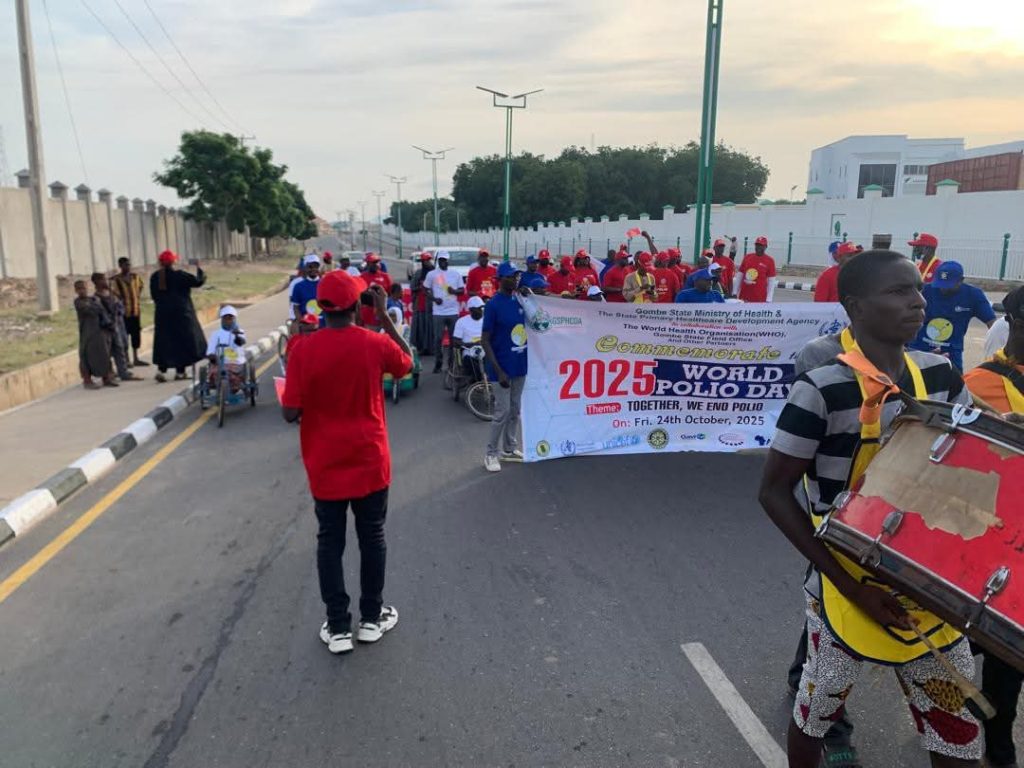
Gombe State came alive with colour, energy, and purpose on October 24, 2025, as the Gombe State Commission for Persons with Disabilities (GSCPWD) joined health partners and community leaders to commemorate World Polio Day, themed “Together, We End Polio.”

The celebration, organized by the Gombe State Ministry of Health and the State Primary Health Care Development Agency, in collaboration with Rotary International, the World Health Organization (WHO), and other partners, highlighted the remarkable progress Gombe State has achieved in the fight against polio and its ongoing commitment to inclusion for persons with disabilities.

A Day of Unity and Celebration

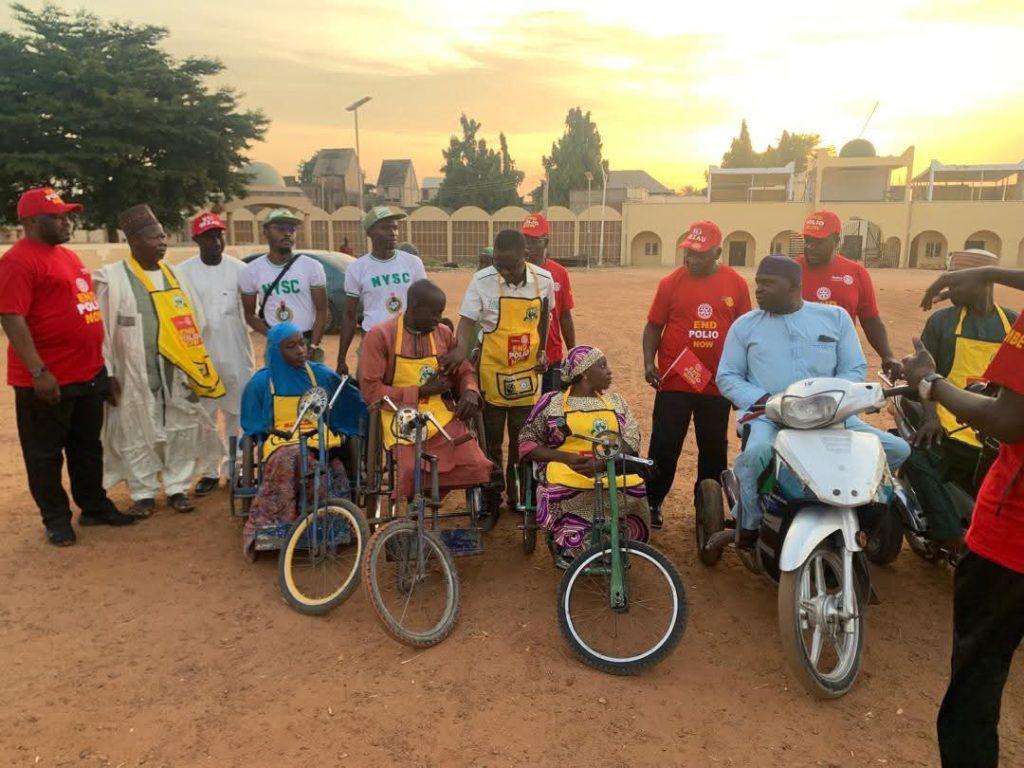
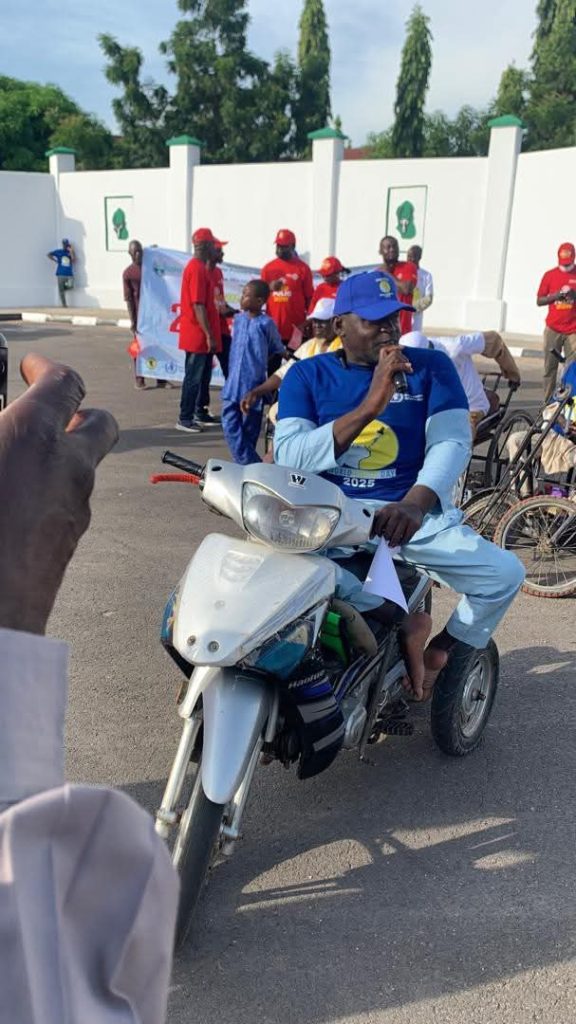
The event began with a vibrant awareness rally from the Palace of His Royal Highness, the Emir of Gombe, to the Gombe State Government House. Hundreds of participants — including health workers, civil society groups, persons with disabilities, students, traditional rulers, and development partners — marched through the streets carrying placards with powerful messages on immunization and disability inclusion.

The atmosphere was electric as music, dance, and chants of “End Polio Now!” echoed across the city. The rally served as a reminder of how far Gombe has come in its fight against polio and how collective efforts can create lasting change.

Gombe Achieves 99.9% Success in Polio Control

According to official reports, Gombe State has achieved an impressive 99.9% success rate in polio control, a milestone attributed to years of strategic investments in primary health-care services and community-based immunization campaigns.

Speaking during the event, stakeholders praised the leadership of His Excellency, Governor Muhammadu Inuwa Yahaya, whose administration has consistently supported public health programs, ensuring vaccination teams reach even the most remote and hard-to-reach communities.

“This success didn’t happen overnight,” said one of the health officials. “It is the result of collective determination, community engagement, and government commitment to make polio history in Gombe.”

A Well-Deserved Honour for Ishiyaku Adamu

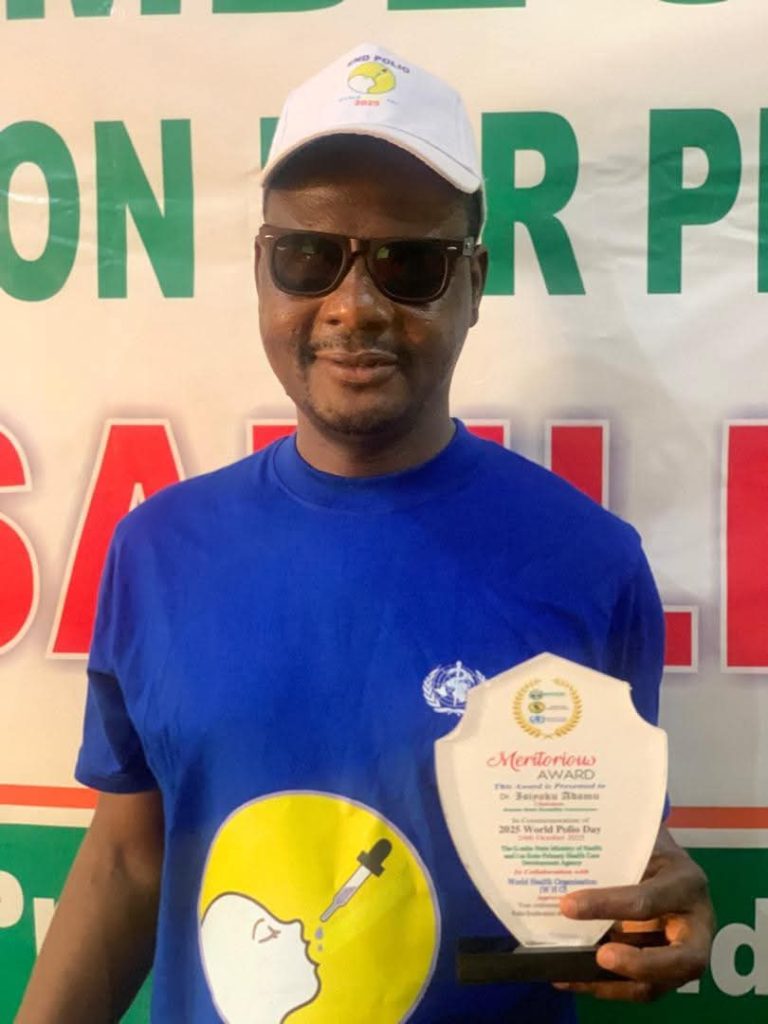
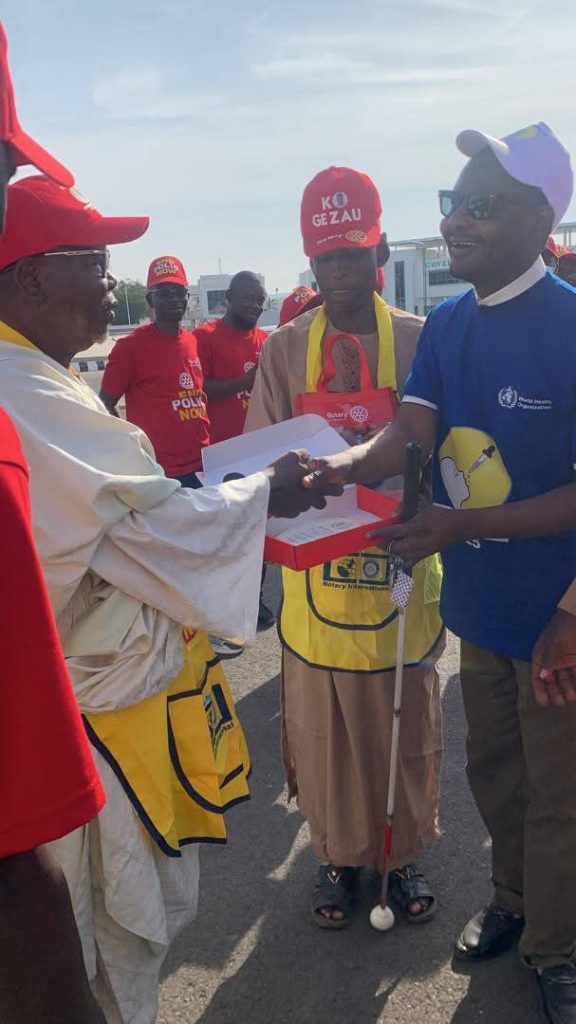
A major highlight of the day was the presentation of an award of recognition to the Executive Chairman of the Gombe State Commission for Persons with Disabilities (GSCPWD), Hon. Ishiyaku Adamu, for his tireless advocacy and outstanding contributions to ending polio and promoting disability inclusion in the state.

Hon. Ishiyaku, a respected disability rights advocate has been at the forefront of campaigns for equal access to education, employment, and healthcare for persons affected by polio and other forms of disability.

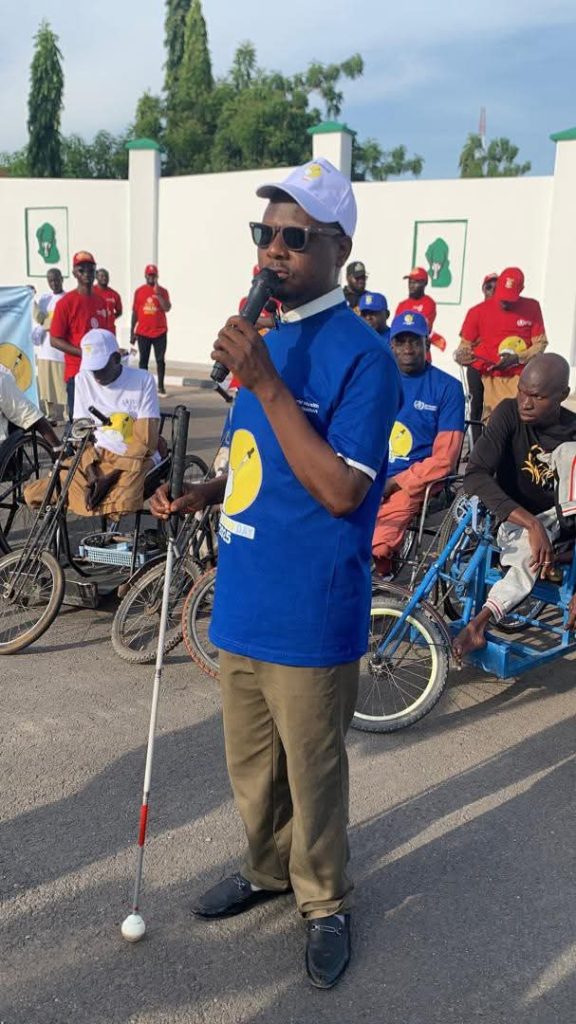
Receiving the award, he expressed heartfelt gratitude and reaffirmed his unwavering commitment to ensuring that no person with a disability is left behind in the state’s development agenda.

“This recognition is not just for me but for every polio survivor who continues to rise above challenges,” he said.
“Our message is clear — disability is not inability. Together, we can build a society where every person, regardless of physical condition, can live with dignity and purpose.”

Renewed Call for Action

Hon. Ishiyaku also used the opportunity to call on parents and caregivers across Gombe State to ensure that every child under the age of five receives their polio vaccination.

“We must not relent,” he urged. “One unvaccinated child puts every other child at risk. Together, we protect our children, and together, we will finish the job of eradicating polio forever.”

Commitment to Inclusion and Health for All

The GSCPWD reaffirmed its commitment to working with government and health partners to promote inclusive health systems, where persons with disabilities can access quality healthcare without barriers. The Commission emphasized that polio eradication efforts must go hand-in-hand with social inclusion, rehabilitation, and empowerment of survivors.

The event concluded with goodwill messages from partner organizations, performances by disability groups, and a renewed pledge to keep Gombe State free from polio.

As the sun set over the city, one message resonated loud and clear — Gombe State is not just fighting polio; it is building a legacy of inclusion, resilience, and shared progress.

Follow the The Qualitative Magazine channel on WhatsApp: https://whatsapp.com/channel/0029VanfIB50wajpjGi3JJ1G
NCPWD BOSS, AYUBA GUFWAN EMPOWERS POLIO SURVIVORS WITH WHEELCHAIRS, REAFFIRMS COMMITMENT TO A POLIO-FREE NIGERIA

0

— By Agbo Christian Obiora, Abuja

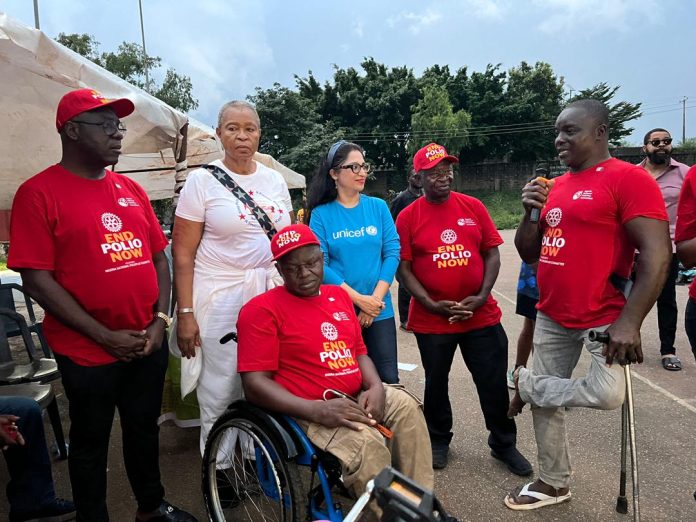
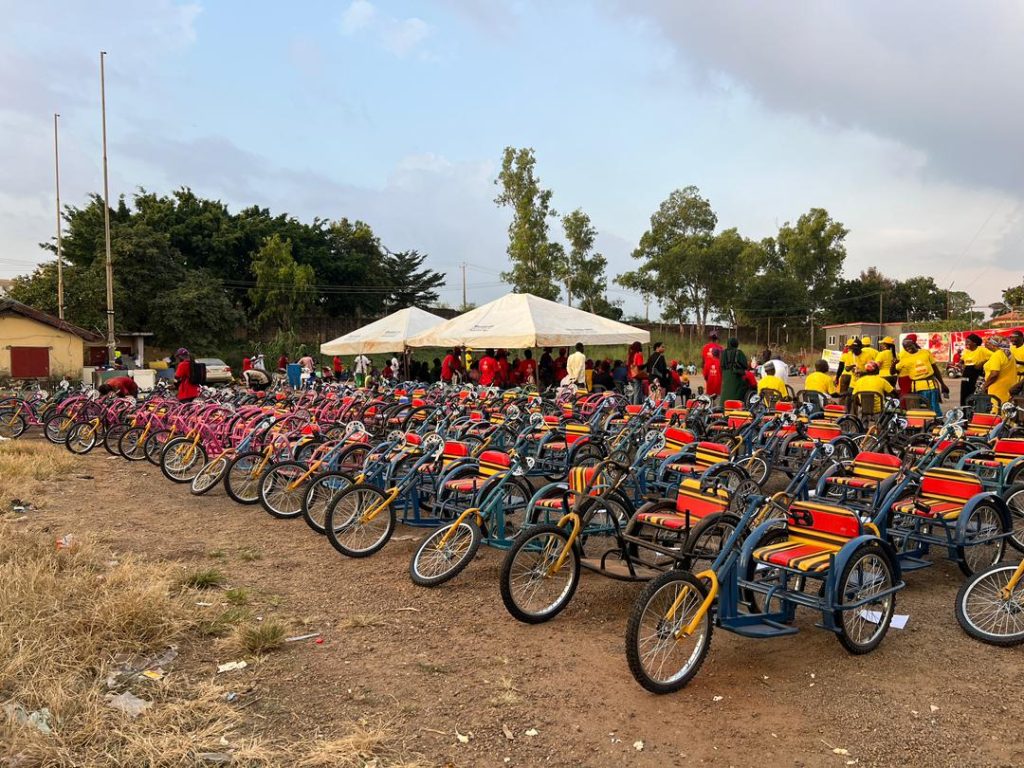
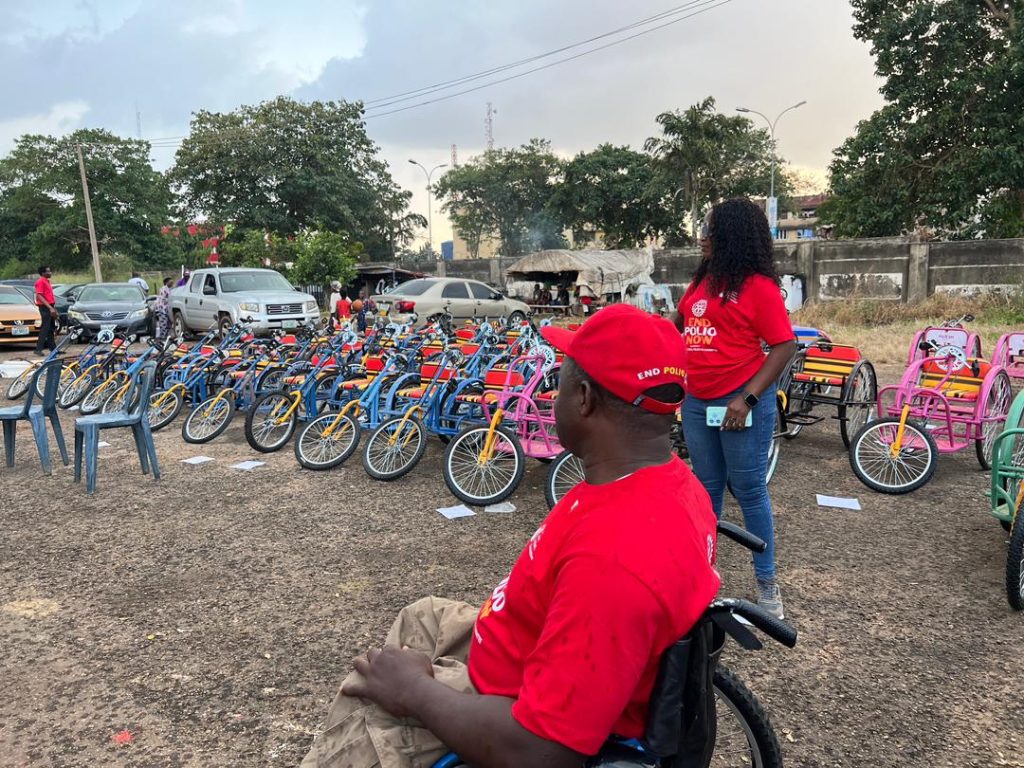
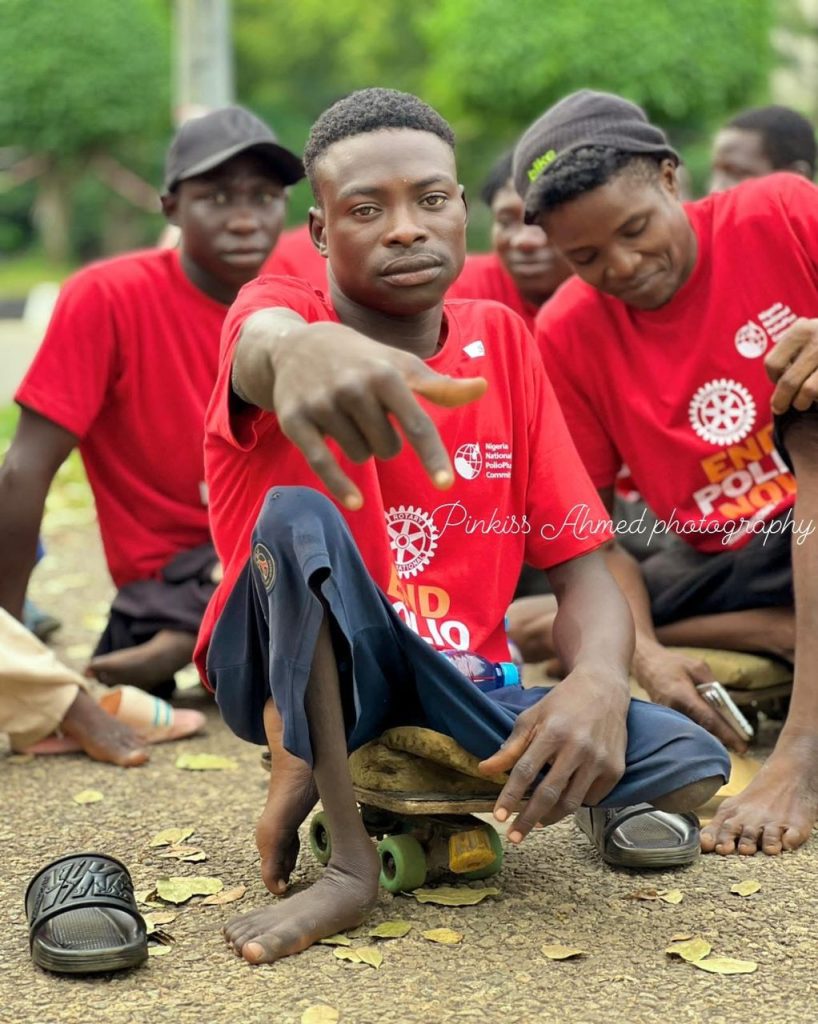
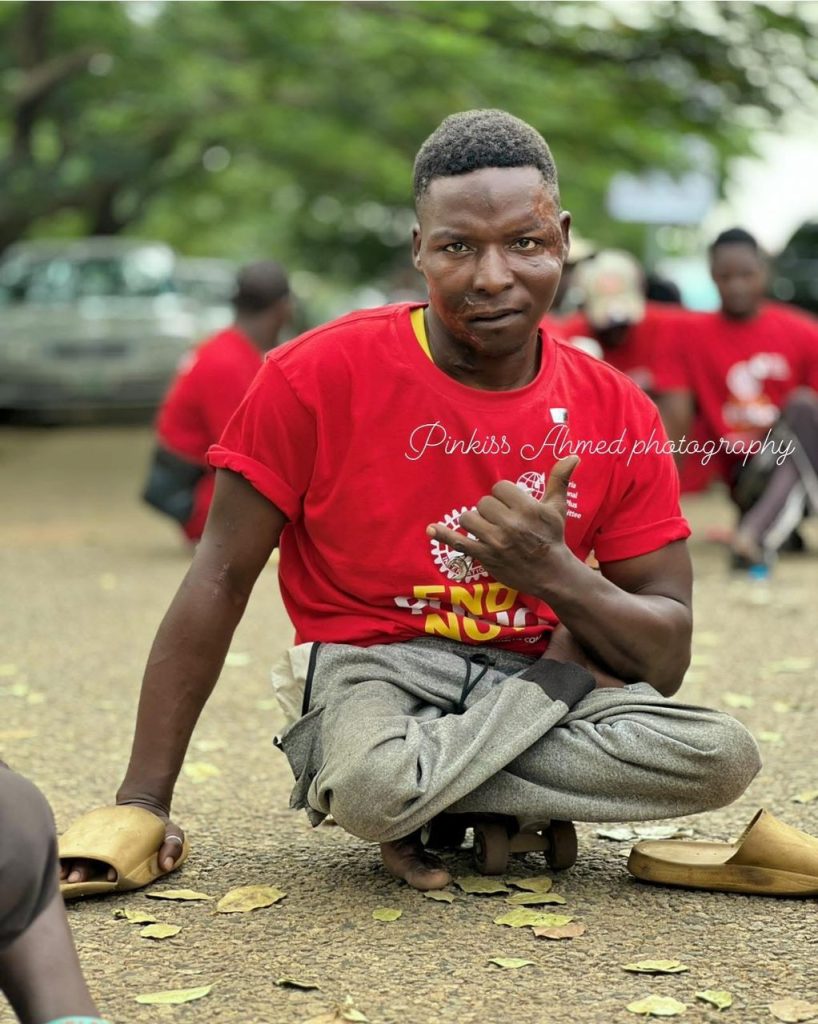
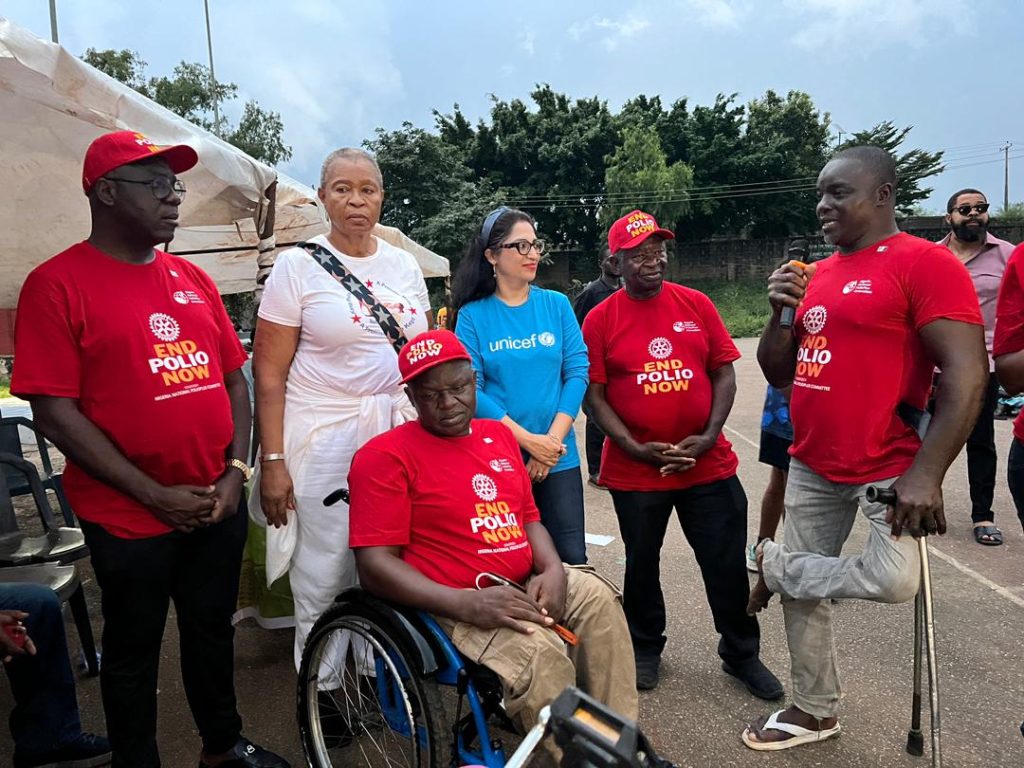
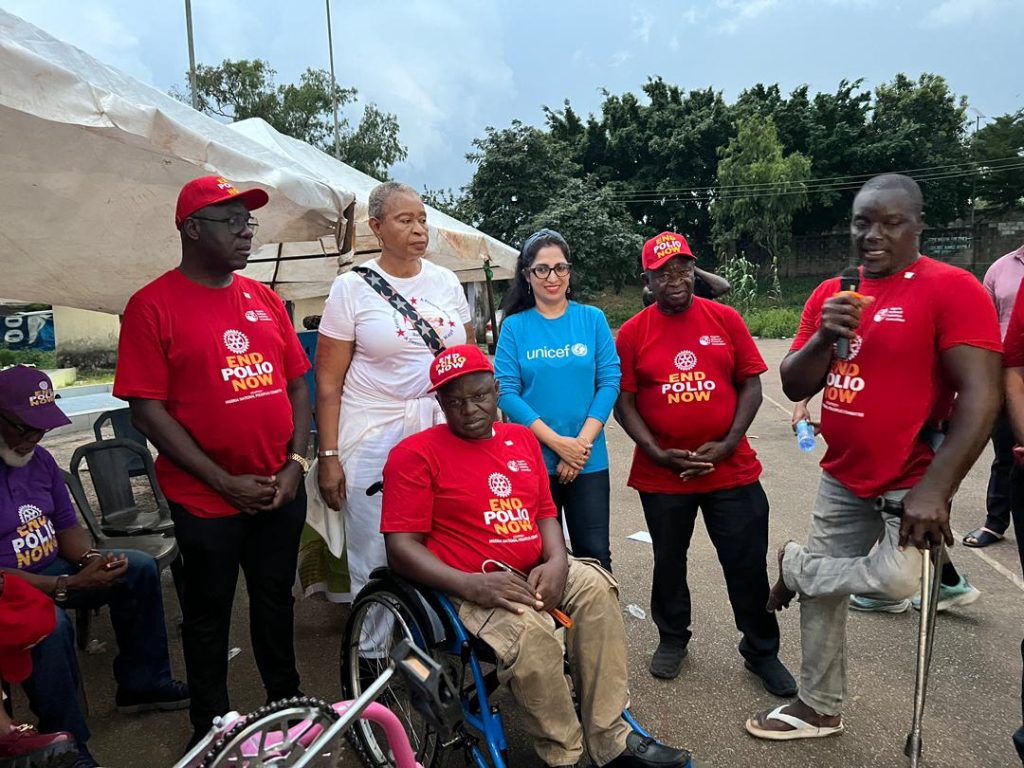
The spirit of resilience, hope, and inclusion filled the air in Abuja as the Executive Secretary of the National Commission for Persons with Disabilities (NCPWD), Hon. Ayuba Burki Gufwan, marked this year’s World Polio Day with a remarkable gesture — the donation of 100 wheelchairs to persons with disabilities, many of whom are polio survivors.

The event, organized in collaboration with Rotary International, the World Health Organisation (WHO), the United Nations Children’s Fund (UNICEF), and the National Primary Health Care Development Agency (NPHCDA), underscored Nigeria’s continued commitment to eradicating polio and empowering survivors to live productive lives.

Walk of Hope and Inclusion

The celebration began at dawn with an energetic awareness walk that brought together persons with disabilities, health workers, students, Rotarians, and well-wishers. The walk, which kicked off at 6:30 a.m. from the Old Parade Ground to Area 1 Roundabout and back, symbolized the collective determination to keep Nigeria polio-free.

Leading the walk was Hon. Gufwan himself — a proud polio survivor whose life story of perseverance and leadership continues to inspire millions of Nigerians. Despite using a wheelchair, he participated actively in the walk and later joined the crowd at the para-soccer novelty match that followed.

“My Dream Is a Polio-Free World” – Gufwan

Addressing participants after the symbolic walk, Gufwan expressed deep passion for the fight against polio, describing it as a personal mission rooted in his lived experience.

“My biggest dream is for everyone to live in a polio-free world. It is possible, but only if we continue to work together to ensure that no child is left unvaccinated,” he said.

He used the occasion to commend Rotary International and all global health partners for their relentless efforts in eradicating polio, acknowledging their decades of support in funding immunization campaigns, awareness drives, and rehabilitation programmes for survivors.

“Disability is not a death sentence, but something that can be overcome through courage, empowerment, and collective action,” Gufwan added.

Empowerment Beyond Words

The highlight of the event was the distribution of 100 wheelchairs to persons with disabilities — a gesture that brought tears of joy and renewed confidence to many beneficiaries. The wheelchairs, Gufwan noted, represent more than mobility; they symbolize freedom, dignity, and inclusion.

According to him, empowering polio survivors to move independently is part of NCPWD’s broader commitment to advancing inclusive development and ensuring equal opportunity for all persons with disabilities in Nigeria.

Celebrating Abilities Through Para Soccer

The day’s excitement peaked with the Para Soccer Tournament Finals, which featured vibrant teams of young men living with disabilities showcasing their athletic talents. The crowd cheered as players maneuvered their wheelchairs with speed and skill, proving that disability is not inability.

Medals, cash prizes, and awards were presented to the winning and participating teams, further motivating them to continue developing their sporting skills.

In his closing remarks, Gufwan commended the para soccer players for their enthusiasm and sportsmanship, describing them as “true ambassadors of resilience and hope.”

A United Front Against Polio

The World Polio Day Celebration at the Old Parade Ground, Area 10, Abuja, brought together representatives from various government agencies, international organizations, and civil society groups. Each partner reaffirmed their commitment to sustaining Nigeria’s polio-free status and supporting survivors through empowerment programs.

As the sun set on the day’s activities, one message stood clear — the fight against polio does not end with eradication; it continues with inclusion, empowerment, and opportunity for survivors.

Hon. Gufwan’s leadership and personal example once again underscored the importance of inclusive policies and the power of lived experience in driving national progress.

With renewed commitment and collaboration among key partners, Nigeria is not only celebrating victory over polio — it is also celebrating the indomitable spirit of those who conquered it and continue to rise against all odds.

Follow the The Qualitative Magazine channel on WhatsApp: https://whatsapp.com/channel/0029VanfIB50wajpjGi3JJ1G
NASARAWA STATE TEACHERS’ SERVICE COMMISSION TAKES BOLD STEP TOWARD INCLUSIVE EMPLOYMENT FOR PERSONS WITH DISABILITIES

0

— By Agbo Christian Obiora, The Qualitative Magazine (TQM News)

In a landmark move signaling a new dawn for disability inclusion in the education sector, the Nasarawa State Teachers’ Service Commission (TSC) has announced special provisions to ensure that Persons with Disabilities (PWDs) are fully included in the ongoing recruitment exercise for secondary school teachers across the state.

The development, which has been widely hailed as a progressive step toward equality and fairness, underscores the commitment of the state government to implementing the 5% employment quota for PWDs as enshrined in Nigeria’s Disability Rights Law.

In a letter dated October 17, 2025, and addressed to the Nasarawa State Disability Rights Commission (NSDRC), the TSC, through its Secretary, Ishaq S. Bage, emphasized that the inclusive measure aims to “promote equal opportunity and ensure that no qualified individual with a disability is left out of public service employment.”

While the main application process for the recruitment is being conducted online, the TSC acknowledged the potential digital barriers that could hinder participation by some PWDs. To address this, the Commission made special arrangements to allow qualified PWDs who may face challenges accessing the digital portal to submit their applications physically at the TSC headquarters in Lafia.

According to the letter, designated officers have also been assigned to assist applicants with disabilities in completing their forms and ensuring that their applications receive the same level of consideration as those submitted online. This measure, the Commission noted, aligns with its broader vision of inclusive governance and equitable access to opportunities for all citizens of Nasarawa State.

The Commission further requested the support of the Nasarawa State Disability Rights Commission in disseminating the information through its networks and providing technical or advisory support to ensure a smooth and inclusive recruitment process.

Reacting to the development, the Executive Chairman of the Nasarawa State Disability Rights Commission, Mr. Sale Barde Keana, commended the Teachers’ Service Commission for what he described as a “commendable example of proactive inclusion and institutional compliance with disability rights.”

In a statement shared on his social media platforms, Keana applauded the TSC for setting a model that other government agencies and private institutions should emulate.

“The Nasarawa State Teachers’ Service Commission has shown exemplary leadership in ensuring that PWDs are not excluded from this vital recruitment exercise. This action is a reflection of true inclusion and respect for the 5% employment quota. I encourage all qualified PWDs to take advantage of this golden opportunity,” Keana said.

He explained that PWDs who are unable to register via the online portal can conveniently submit their physical applications at the TSC headquarters in Lafia, where trained staff have been deployed to guide them through the process.

Keana also encouraged applicants to submit copies of their applications and CVs to the Disability Rights Commission’s office along Kurunyo Road, Lafia, for proper documentation and follow-up. This, he said, would help the Commission monitor participation and ensure transparency throughout the recruitment process.

“This is more than a recruitment drive — it is an opportunity to break barriers, prove competence, and demonstrate that disability is not inability,” Keana added.

He reaffirmed the Commission’s unwavering commitment to advocating for equal access to employment and ensuring that qualified persons with disabilities are given fair consideration in all public service opportunities.

Observers and disability advocates across the state have praised the TSC’s initiative as a major victory for inclusive governance and a reflection of Governor Abdullahi Sule’s administration’s growing commitment to equality and social justice.

The move is expected to significantly boost the morale of PWDs seeking professional opportunities in education and inspire other states to adopt similar inclusive recruitment models.

As the recruitment process continues, many are optimistic that this inclusive gesture will translate into tangible results — with more qualified persons with disabilities gaining meaningful employment, contributing their skills, and transforming classrooms across Nasarawa State.

Follow the The Qualitative Magazine channel on WhatsApp: https://whatsapp.com/channel/0029VanfIB50wajpjGi3JJ1G
SPINA BIFIDA AND HYDROCEPHALUS WEEK KICKS OFF IN LAGOS WITH EXCITING WHEELCHAIR BASKETBALL MATCH CELEBRATING ABILITIES AND INCLUSION

0

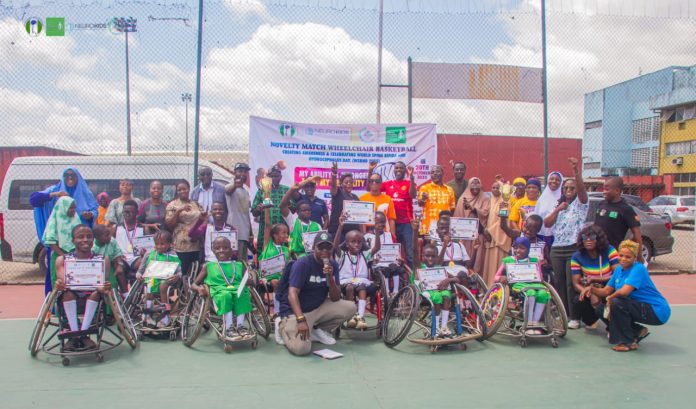
LAGOS — The air was charged with excitement and inspiration on Monday, October 20th, as the week-long activities marking the World Spina Bifida and Hydrocephalus Day 2025 (#WSBHD25) commenced in grand style at the National Stadium, Surulere, Lagos. The event, organized by the Spina Bifida and Hydrocephalus Association of Nigeria (SBHAN) in collaboration with the Festus Fajemilo Foundation (FFF) and Neurokids50, kicked off with a wheelchair basketball novelty match that brought together young champions living with Spina Bifida and Hydrocephalus (SBH), their families, and key stakeholders in the disability inclusion space.

The vibrant opening activity took place at the NIS Basketball Court, where SBH champions showcased not their challenges, but their strengths, confidence, and determination. With the guidance of a professional wheelchair basketball coach and dedicated assistants, the athletes displayed the result of weeks of training and nurturing — embodying courage, resilience, and an unshakable belief in their potential.

As the whistle blew and the game intensified, the court came alive with energy, laughter, and cheers from spectators. Parents, teachers, and guests could not contain their excitement as they watched the young stars maneuver their wheelchairs with agility and shoot hoops with remarkable precision. It was a powerful reminder that disability is not inability — and that with opportunity and support, every child can shine.

Speaking at the event, Mr. Hassan Funmilayo, the Acting National President of SBHAN, expressed joy over the successful kickoff, describing the event as “a celebration of ability, inclusion, and hope.” He commended the participants for their courage and thanked partners for their unwavering support in promoting sports and empowerment among persons with disabilities.

The atmosphere was further electrified as Hon. Akeem Kelani, who represented the General Manager of the Lagos State Office for Disability Affairs (LASODA), Mrs. Adenike Oyetunde-Lawal, officially flagged off the novelty match. Other notable attendees included the Executive Director of Festus Fajemilo Foundation, Mr. Afolabi Fajemilo; Ms. Lara Fernandez, Coordinator of Neurokids50 Nigeria; representatives of the National Institute of Sports (NIS); National Wheelchair Basketball Senior Players; and the Principal and teachers from LUTH/CMUL Community Muslim Schools, Idi Araba.

The event also featured an award presentation segment where all players received medals, certificates of participation, and trophies — symbolizing their triumph over barriers and their commitment to sporting excellence. The presentation ceremony was a deeply emotional moment, with many parents seen smiling through tears of pride as their children were celebrated on the court.

In his remarks, Mr. Afolabi Fajemilo of the Festus Fajemilo Foundation emphasized the importance of inclusion and continuous advocacy for persons living with Spina Bifida and Hydrocephalus, urging more stakeholders to “accelerate action for SBH awareness and disability inclusion across Nigeria.”

The novelty match was not just a sporting event — it was a statement of empowerment and resilience. It reinforced the message that children and youths with disabilities deserve equal opportunities to explore their talents, thrive in their passions, and live fulfilling lives.

The SBHAN leadership extended heartfelt appreciation to all partners and supporters, particularly @neurokids50, @FFFoundation, and SBHAN executives and members, whose collaboration made the event a success.

As the World Spina Bifida and Hydrocephalus Week continues, SBHAN calls on government agencies, the private sector, and the general public to join in the advocacy for inclusion, accessibility, and equitable opportunities for persons with SBH and other disabilities.

With events like this, one thing is clear — the narrative is shifting from disability to ABILITY, from exclusion to INCLUSION, and from sympathy to EMPOWERMENT.

ABIA DISABILITY COMMISSION TO DISTRIBUTE FREE SUNSCREEN TO PERSONS WITH ALBINISM

0

Initiative Aims to Protect Against Skin Cancer and Promote Inclusion

In a landmark move to promote the health, safety, and inclusion of Persons with Albinism (PWAs), the Abia State Disability Commission has unveiled plans to distribute free sunscreen lotions across the state. The initiative, according to the Commission, seeks to protect beneficiaries from the harmful effects of ultraviolet rays and reduce the high risk of skin cancer prevalent among persons with albinism.

Chairman of the Abia State Disability Commission, Mr. David Anyaele, made this known during a one-day Albinism Medical Sensitisation Programme held at the School for the Blind, Afara, Umuahia. The event, themed “Meeting the Needs of Persons with Albinism through Medical Model”, was organised by the Abia State Chapter of the Albinism Association of Nigeria (AAN).

Speaking during the sensitisation, Anyaele described the sunscreen distribution as a demonstration of the state government’s commitment under Governor Alex Otti’s administration to enhance the well-being of all Persons with Disabilities (PWDs), particularly those living with albinism.

“The Commission will provide four packs of sunscreen lotion to each participant. This is to ensure that members of the Albinism community have protective cream to shield their skin from the scorching sun and prevent skin cancer,” Anyaele stated.

He further disclosed that the AAN chairman would propose a suitable date for the official distribution of the lotions, adding that the Commission would also provide transportation stipends for beneficiaries traveling to collect their items.

While assuring continued government support, Anyaele urged Persons with Albinism not to depend solely on the government for solutions to their challenges but to take active roles in awareness creation, advocacy, and self-development.

“The government understands the serious health implications of excessive exposure to sun rays, which often leads to skin cancer, loss of sight, and difficulty in participating in social and educational activities. We also recognise the economic hardship faced by many PWAs due to limited employment opportunities and poverty,” he added.

The Disability Commission, he revealed, has already built the capacity of the 17 Local Government Area Chairmen and Permanent Secretaries across Ministries, Departments, and Agencies (MDAs) on disability inclusion, implementation of the Abia State Disability Law, and disability budgeting.

In continuation of its disability mainstreaming efforts, the Commission is also engaging officials from the Health and Education Departments across the 17 LGAs on inclusive service delivery. Notably, this effort includes the active participation of Ms. Ijeoma Okoronkwo, a member of the Commission’s Board and a representative of the Albinism Cluster.

According to Anyaele, the Abia State Disability Commission has also provided financial support to all disability clusters, including the AAN, to help them commemorate their respective international awareness days and run advocacy campaigns.

He commended the leadership of the AAN for organising the sensitisation event, describing it as a timely intervention to raise awareness about the health, social, and economic realities faced by persons with albinism.

“I must commend the Albinism Association of Nigeria for this initiative. It’s through awareness like this that we can correct long-held misconceptions and break the myths surrounding albinism,” he said.

Anyaele decried the continued discrimination and stigma that persons with albinism face across Africa, citing examples of countries such as Tanzania where PWAs have been subjected to ritual killings and violent attacks due to harmful traditional beliefs.

“In some African countries, persons with albinism are still regarded as endangered species. In Tanzania, for instance, they are often hunted for ritual purposes. In Nigeria, they may not face such extreme violence, but they suffer mockery, bullying, exclusion, isolation, stigma, and denial of opportunities,” he lamented.

He stressed that members of the Albinism community in Nigeria must rise to the challenge of leadership in awareness creation, helping to correct misconceptions, advocate for their rights, and educate the public about albinism as a genetic condition—not a curse or taboo.

Anyaele further highlighted the role of disability laws at both federal and state levels in protecting the rights of PWDs, calling on all disability clusters to participate actively in promoting the effective implementation of these laws.

“Our strength lies in unity and knowledge. Persons with Albinism must not only depend on government interventions but must also drive their own narrative through advocacy, leadership, and knowledge acquisition,” he concluded.

The sensitisation programme was attended by representatives of the disability community, medical professionals, and government officials, who lauded the initiative as a major step toward inclusive health care and social protection for persons with albinism in Abia State.

As the Abia State Disability Commission prepares for the sunscreen distribution, the move is being widely praised as a model of practical disability inclusion—one that prioritises not only accessibility but also health and dignity for all.