Monday, December 15, 2025
Home Blog Page 4

Nigeria and São Tomé & Príncipe Deepen Diplomatic Ties as Ambassador Nwanoro Meets Foreign Affairs Minister

0

By Agbo Christian
November 2025

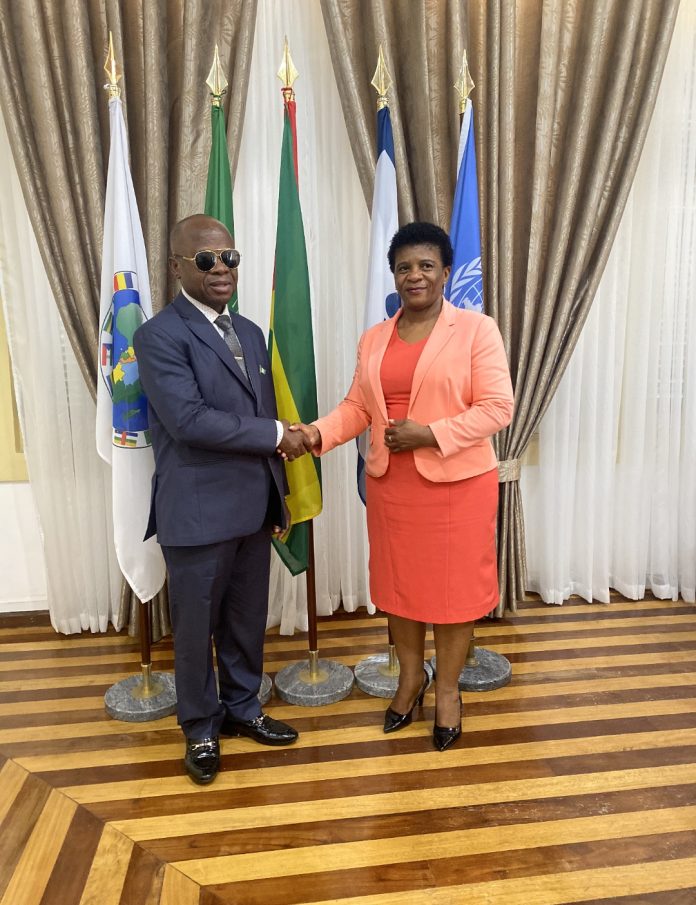
São Tomé — In a demonstration of growing friendship and strategic cooperation, the Ambassador of Nigeria to São Tomé and Príncipe, Dr. Christopher Nwanoro, was warmly received by the country’s Minister of Foreign Affairs during a high-level diplomatic engagement that further cements relations between the two West African nations.

The meeting, held at the Ministry’s headquarters in São Tomé, radiated cordiality as both leaders exchanged pleasantries and reaffirmed their shared commitment to enhancing bilateral ties. The atmosphere, described by observers as warm and forward-looking, reflected the longstanding goodwill and mutual respect that continue to define Nigeria–São Tomé and Príncipe relations.

During the closed-door discussions, Ambassador Nwanoro emphasized Nigeria’s readiness to expand cooperation across key sectors, including maritime security, education, energy, trade, and cultural exchange. He noted that the two countries, bound by geography and shared regional aspirations, have a unique opportunity to build a partnership that delivers tangible development outcomes for their citizens.

The Minister of Foreign Affairs, in his remarks, commended Nigeria’s leadership role in West and Central Africa and welcomed the Ambassador’s commitment to strengthening collaboration. He highlighted São Tomé and Príncipe’s interest in deepening strategic alliances, particularly in areas that promote economic growth, regional stability, and sustainable development.

Both officials agreed to advance ongoing bilateral frameworks and explore new avenues of cooperation that support peace, inclusive progress, and stronger diplomatic engagement. They also underscored the importance of maintaining close communication between their governments to foster unity within the Gulf of Guinea region.

The meeting ended with renewed optimism, as the handshake between Ambassador Nwanoro and the Foreign Affairs Minister symbolized not only diplomatic courtesy but a shared vision of partnership, solidarity, and a prosperous future for both nations.

As Nigeria and São Tomé & Príncipe continue to strengthen their ties, this latest engagement stands as another promising step toward deeper collaboration and regional transformation.

São Tomé and Príncipe Marks Independence Anniversary with Powerful Dialogue on Disability Rights

0

By Agbo Christian
November 17, 2025

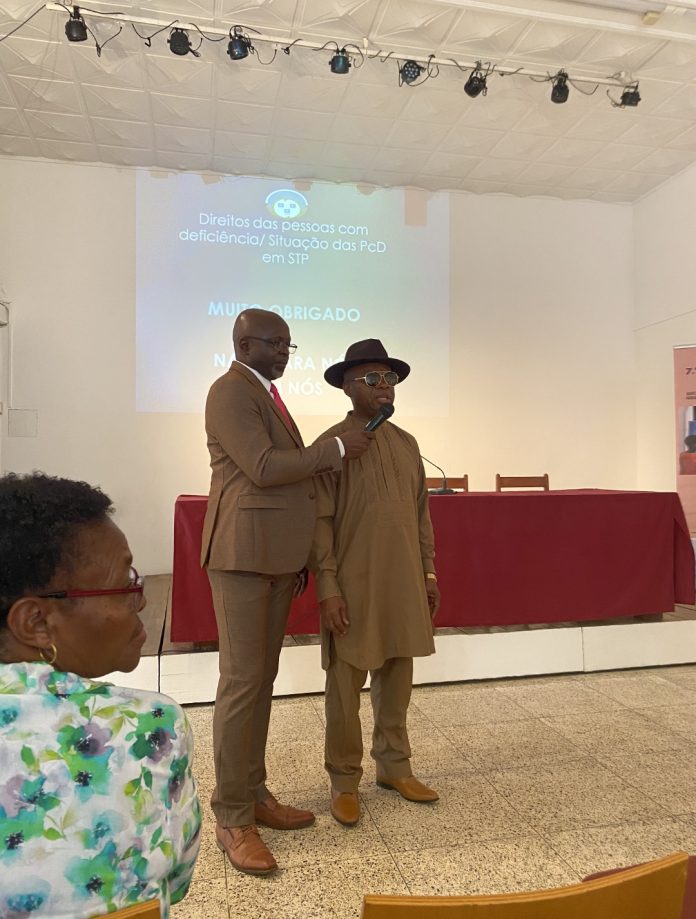
São Tomé and Príncipe — As part of activities commemorating the nation’s 50th anniversary of independence, the Organizing Committee of the 7th Citizenship Week and 7th Fortnight of Citizenship hosted a thought-provoking lecture centred on the theme: “Rights of Persons with Disabilities: The Situation of People with Disabilities in São Tomé and Príncipe.”

The event, held on Monday, brought together policymakers, diplomats, civil society leaders and disability advocates for a robust exchange of ideas on how to strengthen disability inclusion in the island nation.

A highlight of the day was the compelling address delivered by Ambassador Dr. Christopher Nwanoro, who joined the Minister of Education of São Tomé and Príncipe and other eminent speakers on the panel. Their interactive session ignited deep reflections on the current realities faced by persons with disabilities and the urgent need for policies that guarantee equal access, dignity, and opportunities.

Dr. Nwanoro, in his remarks, emphasized that disability rights are human rights and called for stronger institutional frameworks that ensure no one is left behind. He noted that the golden jubilee of independence presents a crucial moment to rethink societal attitudes, close inclusion gaps, and reaffirm national commitment to protecting the rights of all citizens—especially the most vulnerable.

The Minister of Education echoed these sentiments, highlighting ongoing efforts to improve accessible education, expand inclusive schooling, and build a society where every person, regardless of physical or sensory ability, can thrive.

Participants described the session as enriching and transformative, noting that discussions around disability inclusion are essential for building a modern, democratic, and empathetic São Tomé and Príncipe. Civil society organizations also used the platform to advocate for more data-driven policies, improved accessibility in public spaces, and better coordination between government and community stakeholders.

As the country celebrates 50 years of independence, this dialogue stands out as a powerful reminder that true citizenship goes beyond legal status— it reflects a collective responsibility to promote equality, uphold rights, and empower every member of society.

With events like the Citizenship Week and Fortnight of Citizenship, São Tomé and Príncipe continues to reinforce its commitment to nation-building rooted in justice, participation, and inclusion.

PWDs Raise Alarm Over Exclusion in Senator Natasha Akpoti-Uduaghan’s Empowerment Programme

0

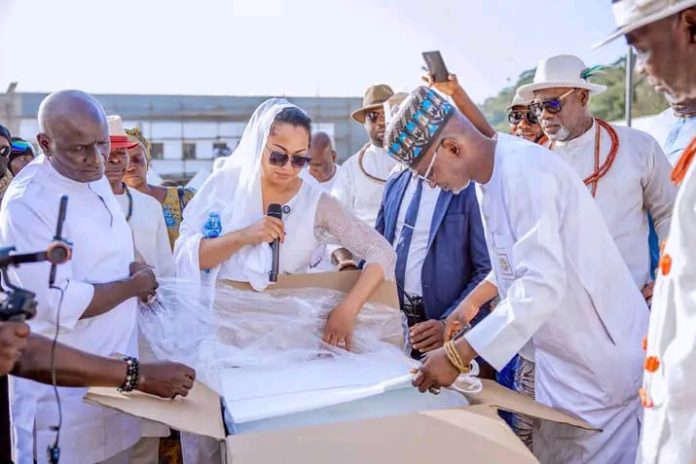
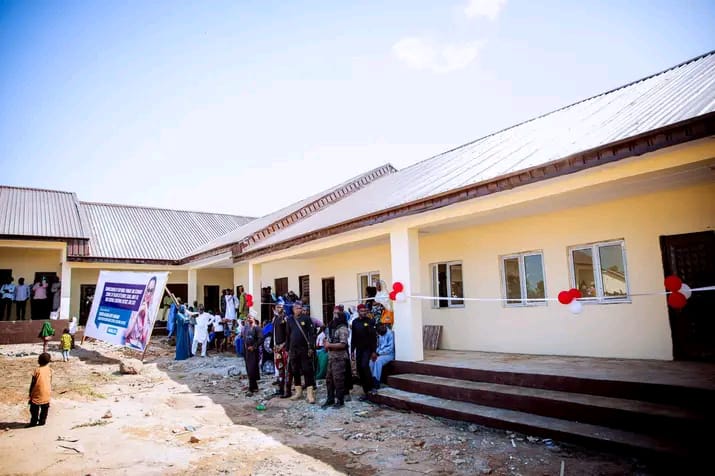
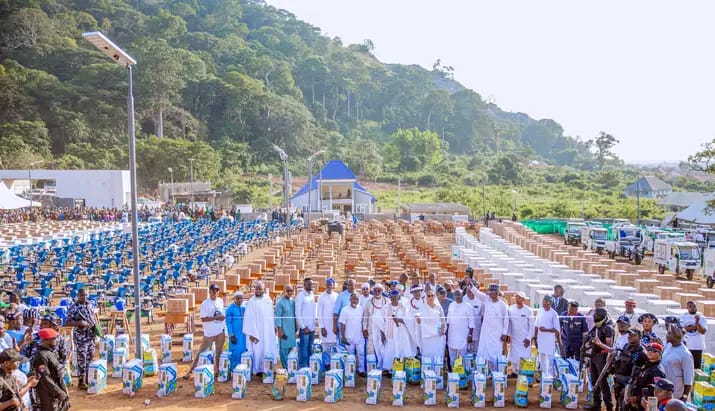
Kogi Central, Nigeria — Concern is mounting within the disability community in Kogi Central following reports that Persons with Disabilities (PWDs) were left out of a major empowerment programme recently organized by Senator Natasha Akpoti-Uduaghan, the Senator representing Kogi Central Senatorial District.

The empowerment initiative—widely praised as one of the largest and most ambitious in the history of the district—has now come under scrutiny as community advocates allege that the programme failed to include PWDs, despite a legally mandated 5% quota for their participation in all government opportunities and interventions.

PWDs Claim Humiliation, Discrimination at Empowerment Venues

According to Comrade Ahmed Barnabas, a respected disability inclusion advocate and spokesperson for the Kogi Central disability community, several PWDs who attempted to attend the programme were allegedly subjected to humiliating and demeaning remarks by some programme coordinators.

He recounted statements such as:
“Who invited you?”, and
“Even if you were given a motorcycle or Keke, how would you ride it?”

These remarks, he said, deeply wounded members of the community and stood in stark contradiction to the spirit of the Discrimination Against Persons with Disabilities (Prohibition) Act, which guarantees dignity, respect, and equal access to opportunities for all Nigerians regardless of disability.

Community Expresses Disappointment in a Trusted Leader

The exclusion comes as a shock to many within the disability community, who have historically supported Senator Natasha Akpoti-Uduaghan and viewed her as an advocate for justice, equity, and inclusive representation.
Many PWDs, Barnabas noted, voted for her with the strong belief that her administration would reflect their interests and champion their rights.

However, recent empowerment distributions and political appointments have, according to advocates, failed to reflect this confidence, leading to frustration and a sense of abandonment.

A Call for Reflection—Not Condemnation

Despite the disappointment, the PWD community emphasizes that their outcry is not intended as an attack on the Senator. Rather, it is a sincere appeal for reflection and corrective action.

“We believe in Senator Natasha’s leadership,” Barnabas noted. “Our appeal is for her to review what happened, address the oversight, and ensure that future programmes are inclusive and respectful of the laws protecting PWDs.”

He added that PWDs are not seeking sympathy or charity, but equity, recognition, and the opportunity to benefit from public programmes just like every other citizen.

Demand for Reserved Shops in Newly Built Oboreke Market

The disability community also urged Senator Natasha to consider a specific inclusion package for women with disabilities — a group they say faces double layers of discrimination due to both gender and disability.

With the construction of the new 80-shop market in Oboreke Ihima, located in Okehi Local Government Area, Barnabas appealed for a dedicated percentage of the shops to be intentionally reserved for female PWDs, aligning with global best practices in inclusive economic empowerment.

A Call to Action for Inclusive Development

Comrade Barnabas called on the Senator to urgently institute mechanisms that guarantee full compliance with the 5% inclusion mandate in all future empowerment programmes, appointments, and development projects within Kogi Central.

The disability community insists that inclusion is not optional, nor is it an act of charity. It is a right backed by law — and a moral responsibility, especially for elected leaders who campaigned on promises of fairness and justice.

As discussions continue, many are hopeful that Senator Natasha Akpoti-Uduaghan will take decisive steps to restore trust and ensure that Kogi Central becomes a model of inclusive governance where no one is left behind.

TAF Africa Raises Alarm Over Persistent Barriers to Disability Inclusion in 2025 Anambra Governorship Election

0

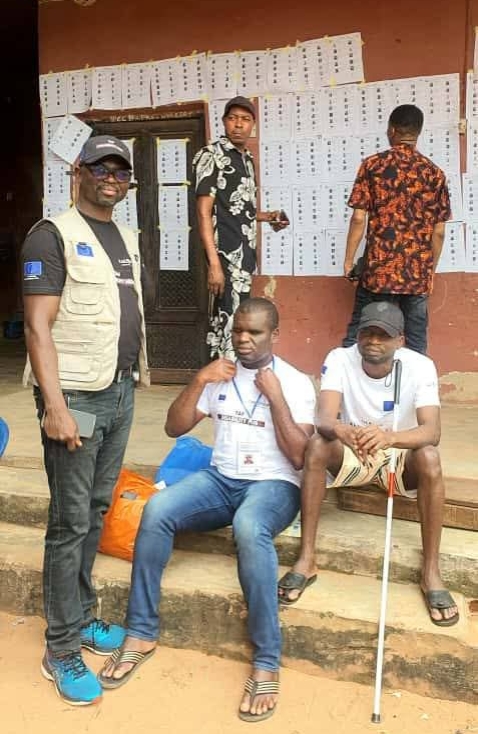
The All Africa Foundation (TAF Africa) has urged the Independent National Electoral Commission (INEC) and other key stakeholders to intensify efforts toward ensuring the full and unhindered participation of Persons with Disabilities (PWDs) in Nigeria’s elections.

This charge followed the organisation’s post-election observation of the 2025 Anambra State Governorship Election, which revealed significant gaps in accessibility, provision of assistive tools, and overall inclusion of PWDs—despite notable improvements in some areas.

The report, signed by TAF Africa’s Senior Communications Officer, Lynn Agwuncha, highlighted findings from 150 trained citizen observers, 25 sign language interpreters, and roving media monitors deployed across all 21 local government areas of the state. The observation exercise, supported by the European Union through the EUSDGN II Programme, was coordinated using the TAF Disability Hub Application—an innovative real-time, data-driven platform that tracks accessibility challenges, assistive tools, and the voting experiences of PWDs.

According to the group, the initiative aligns with its ongoing commitment to promoting an inclusive democratic space and monitoring the extent to which electoral stakeholders uphold the rights of PWDs in line with the Discrimination Against Persons with Disabilities (Prohibition) Act, 2018.

Sign Language Interpreters Boost Voting Experience for Deaf Voters

As part of its accessibility support, TAF Africa strategically deployed 25 trained Sign Language Interpreters (SLIs) to polling units with notable populations of deaf voters. These locations included the Village Hall Polling Unit in Ward 1, Njikoka LGA, and the Central Primary School, Odoakpu, Ward II, in Onitsha South LGA.

The presence of SLIs, the report noted, significantly enhanced communication between deaf voters and electoral officials, enabling many to cast their votes independently for the first time. TAF Africa encouraged INEC to institutionalize this practice nationwide to prevent the continued exclusion of deaf voters in future elections.

Assistive Materials Missing in Many Polling Units

Despite INEC’s assurances that magnifying glasses would be supplied to assist voters with albinism, particularly in polling units within Awka South LGA, TAF Africa’s observers found these devices missing. Braille ballot guides were also unavailable in several locations, hindering visually impaired voters from voting independently.

“These gaps underscore the urgent need for improved logistics and more accurate disability-disaggregated voter data to ensure adequate deployment of assistive tools,” the report emphasized.

Reports of Voter Manipulation and Vote Buying Involving PWDs

Disturbingly, TAF Africa documented incidents of voter manipulation targeting PWDs. In Nise Ward I, a deaf voter was approached by an alleged political party agent who attempted to influence his vote. Similar incidents involving visually impaired voters receiving unsolicited partisan assistance were recorded in other areas.

The organisation also noted multiple cases of vote buying. In Idemili North LGA, party agents were reportedly offering ₦1,000 to voters, including PWDs. In Ogbaru LGA, observers witnessed a female agent allegedly distributing ₦5,000 on behalf of a political party. TAF Africa condemned these practices, describing them as exploitative and detrimental to the dignity of PWDs and the integrity of the electoral process.

General Peacefulness Despite Logistical Shortcomings

Despite the challenges, the election was largely peaceful. An impressive 99.3% of observed polling units recorded calm and orderly voting.

Data from the TAF Disability Hub further showed:

  • INEC officials arrived on time in 62% of polling units.
  • Voting commenced promptly in 67.6% of locations.
  • Security personnel were present in 35.2% of polling units.
  • Assistive devices were available in only 32% of locations.
  • 89.4% of polling units were physically accessible to PWDs.
  • Priority voting was granted in 74.8% of cases.
  • PWDs served as INEC ad hoc staff in 35.2% of polling stations.
  • 68.3% of voters showed positive attitudes toward PWDs, though 5.8% of registered PWD voters could not vote due to procedural or accessibility barriers.

Commendations and Recommendations

TAF Africa praised INEC for the introduction and partial implementation of Form EC40H—the PWD Voter Information and Statistics Form—describing it as a progressive step toward improving disability data collection. The organisation also acknowledged the professional conduct of security agents and the largely positive interactions between PWDs and other voters.

However, it urged INEC to:

  • Regularly update its disability-disaggregated voter data.
  • Strengthen logistics for distributing magnifying glasses, Braille guides, and other assistive tools.
  • Provide mandatory disability inclusion training for all ad hoc staff.
  • Enforce sanctions against officials who fail to comply with disability inclusion protocols.

TAF Africa further called on Civil Society Organisations (CSOs) and the media to continue amplifying advocacy for disability inclusion and monitoring compliance. Political parties were also advised to integrate PWDs into their structures, campaigns, and agent lists. Security agencies, the group added, must take swift action on reports of vote trading and any attempt to exploit vulnerable voters.

Commitment to Strengthening Electoral Disability Inclusion

Reaffirming its dedication to promoting inclusive democracy, TAF Africa said it would continue leveraging the TAF Disability Hub to generate credible, real-time data that can inform electoral reforms and enhance the participation of PWDs.

“Through the TAF Disability Hub, we will continue to provide data-driven insights to strengthen electoral reforms and ensure that persons with disabilities can participate fully and independently in Nigeria’s democracy,” the report concluded.

The organisation maintained that while progress has been made, Nigeria must intensify efforts to guarantee that every citizen—including those with disabilities—can exercise their voting rights with dignity, independence, and equal access.

GBV, SRHR, and the Call for Full Implementation of the VAPP Law in Nigeria

0

By Abubakar Rabilu, Gombe,

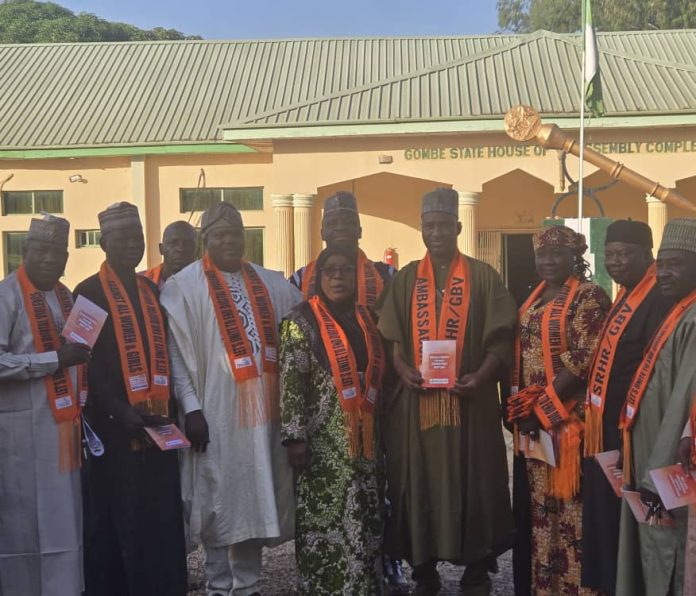
Efforts to strengthen the fight against Gender-Based Violence (GBV) and advance Sexual and Reproductive Health and Rights (SRHR) in Gombe State received a major boost as the Center for the Study and Resolution of Domestic Violence (CERSDOV), in collaboration with the Norwegian Government and the United Nations Population Fund (UNFPA), paid an advocacy visit to the Gombe State House of Assembly.

The visit, which aimed to deepen collaboration between lawmakers and advocacy groups, underscored the urgent need for the full implementation of the Violence Against Persons (Prohibition) Law (VAPP) — a crucial legal instrument in Nigeria’s effort to combat GBV and protect the rights of women and girls.

Leading the delegation, Professor Hauwau Evelyn Yusuf, Chief Executive Officer of CERSDOV, commended the Gombe State House of Assembly for taking the bold step to domesticate the VAPP Law. However, she emphasized that domestication alone was not enough — calling instead for robust enforcement mechanisms that ensure justice for victims and accountability for offenders.

“Domestication is only the first step. The real change comes when the law is effectively enforced to protect victims and punish offenders. The violation of one girl child is the violation of an entire nation,”
— Professor Hauwau Evelyn Yusuf

Professor Yusuf noted that CERSDOV, with support from UNFPA and the Norwegian Government, has been working in Gombe State for over two years, building community structures, training local ambassadors, and empowering institutions to respond effectively to GBV and SRHR issues, even in hard-to-reach communities.

She called for closer collaboration among key stakeholders — including the Ministry of Justice, the Nigeria Police Force, the Department of State Services (DSS), and the Ministry of Women Affairs — to ensure the effective enforcement of the VAPP Law.

Receiving the delegation, the Speaker of the Gombe State House of Assembly, Rt. Hon. Abubakar Muhammad Luggerewo, reaffirmed the Assembly’s commitment to safeguarding and empowering women and girls across the state.

According to him, the administration of Governor Muhammadu Inuwa Yahaya has shown strong political will in promoting gender equality, women’s welfare, and child protection. He highlighted the enactment of key legislations such as the VAPP Law and the Child Rights Act, which provide a legal foundation for protecting women and children against violence and exploitation.

“Under Governor Inuwa Yahaya, Gombe has made significant progress in addressing gender-related issues. Beyond passing laws, we are working to ensure their full implementation for the benefit of our citizens,”
— Rt. Hon. Abubakar Muhammad Luggerewo

The Speaker further revealed that the state, in collaboration with the Federal Government and the World Bank, has disbursed over ₦7 billion to support girl-child education and welfare programs — a move aimed at tackling the root causes of gender inequality through access to education and empowerment.

He stressed that while laws and policies are vital, sustained public awareness and community sensitization remain essential for changing attitudes and ensuring that women and girls can live free from violence and discrimination.

Also speaking, the Chairman of the House Committee on Women Affairs, Hon. Gabriel Galadima, praised CERSDOV and its partners for their tireless advocacy and unwavering commitment to gender equality.

“CERSDOV’s work is commendable, and we are proud to associate with their mission. The Gombe State House of Assembly remains fully committed to ensuring the full enforcement of the VAPP Law,”
— Hon. Gabriel Galadima

The advocacy visit concluded with a renewed pledge of partnership between CERSDOV and the Gombe State House of Assembly. Both parties resolved to strengthen the enforcement of gender protection laws, enhance institutional coordination, and ensure that victims of GBV receive justice, safety, and dignity.

As Nigeria continues to grapple with the realities of GBV and reproductive health challenges, the Gombe State experience serves as a beacon of progress — showing that with political will, collaboration, and enforcement, the fight for gender justice can truly transform lives and communities.

#EndGBV #SRHR #VAPPImplementation #GenderEquality #WomenEmpowerment #UNFPA #CERSDOV #NorwegianGovernment #GombeState #InuwaYahaya #ProtectWomenAndGirls #StopTheViolence

PRESIDENTIAL AIDE CALLS FOR STRONGER SUPPORT TO GRASSROOTS DISABILITY ORGANIZATIONS

0

— As DRF Grantees Convening 2025 Unites African OPDs for Peer and Collective Learning in Abuja

By Agbo Christian Obiora

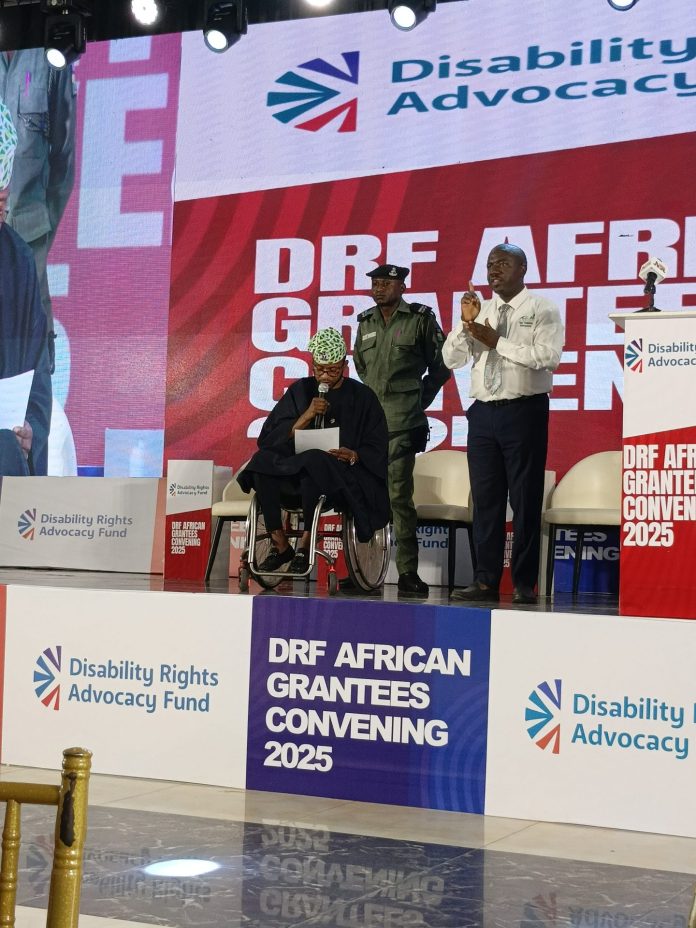
The Senior Special Assistant to the President on Special Needs and Equal Opportunities, Hon. Mohammed Abba Isa, has called on donors, development partners, and grant-making organizations to extend direct financial and technical support to emerging grassroots disability organizations, particularly those operating in rural communities across Africa.

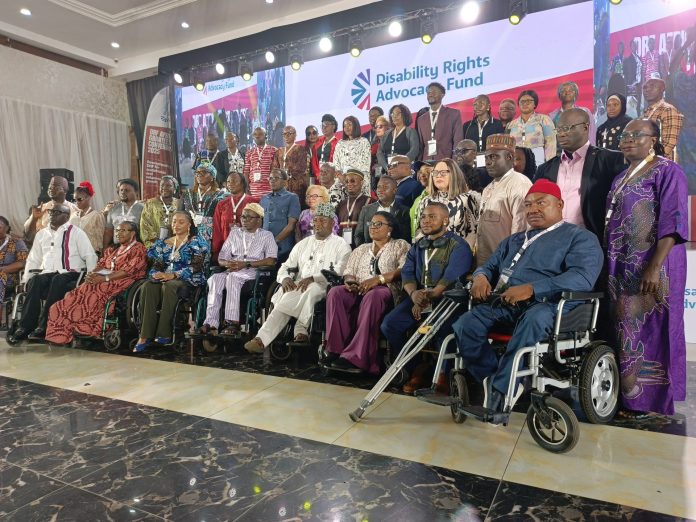
Hon. Abba Isa made the passionate appeal on Monday in Abuja during the opening ceremony of the 2025 Disability Rights Fund (DRF) African Grantees Convening, organized by the Joint National Association of Persons with Disabilities (JONAPWD), with funding support from the Disability Rights Fund (DRF).

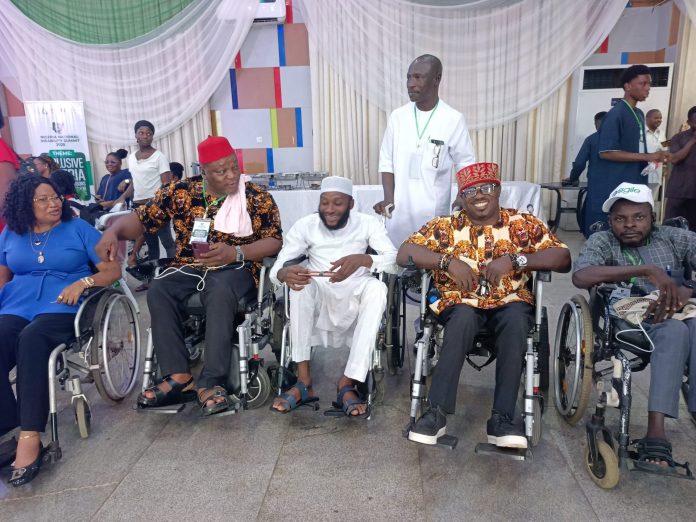
The high-level event, held under the theme “Peer and Collective Learning for Africa,” brought together more than 20 prominent Organizations of Persons with Disabilities (OPDs) from across the continent. Delegates and disability advocates from Kenya, Malawi, Mozambique, Rwanda, Togo, Uganda, Canada, and host country Nigeria converged in Abuja for four days of learning, experience sharing, and strategy development toward advancing inclusion.


“Grassroots OPDs Are the Heartbeat of the Disability Movement” — Hon. Abba Isa

In his address, Hon. Abba Isa described community-based disability organizations as the heartbeat of the disability movement, stressing that they are closest to the people and best understand the daily realities and struggles of persons with disabilities in underserved communities.

“These grassroots OPDs and NGOs are the pulse of real change. They live the experience of those they serve, understand local barriers, and have the drive to inspire transformation when empowered,” he said.

The presidential aide commended the Disability Rights Fund (DRF) for its unwavering commitment to supporting disability inclusion through grants and technical assistance, which he described as “a lifeline to the global struggle for equality, dignity, and inclusion.”

According to him, the Fund’s consistent support over the years has empowered countless organizations in Nigeria and across Africa to champion the rights of persons with disabilities and drive the implementation of progressive disability policies.

“DRF’s investment has amplified advocacy voices, inspired inclusive policy reforms, and accelerated the realization of the rights guaranteed under our National Disability Act (2018) and the *United Nations Convention on the Rights of Persons with Disabilities (UNCRPD),” Hon. Abba Isa noted.


“Unity Amplifies Our Voice” — DRF’s West Africa Manager

Also speaking at the event, Barr. Theophilus Odaudu, DRF’s West Africa Programme Manager, underscored the importance of collaboration and collective action among OPDs in Africa.

He observed that when OPDs work together, their advocacy becomes more coherent, efficient, and impactful, adding that the convening has grown from a local Nigerian event into a continental platform for peer and collective learning.

“This expansion is not just about numbers,” Odaudu explained. “It represents a qualitative shift in how we approach disability rights advocacy — recognizing that unity amplifies our voice and strengthens our collective impact.”

He further highlighted the convening’s objectives, which include enhancing coordination among OPDs, developing a unified regional advocacy agenda, and exploring opportunities for DRF to expand its programmatic support across Africa.

Odaudu also urged governments at all levels to demonstrate stronger commitment to implementing disability-related laws and policies.

“Our Disability Act is a milestone achievement, but it remains largely unimplemented. We must intensify efforts to ensure ministries, departments, and agencies understand and fulfill their responsibilities under the law,” he said.


Funding Gaps Remain a Barrier — JONAPWD

Speaking on behalf of JONAPWD’s National President, Mr. Stanley Onyebuchi, who doubles as the National President of the Nigerian Association of the Blind (NAB), applauded DRF for its consistent and strategic support to OPDs in Nigeria and beyond.

“We are deeply grateful that DRF continues to empower OPDs to raise awareness about disability rights, even in the most remote communities,” Onyebuchi said.

He, however, lamented that inadequate funding continues to limit the capacity of many OPDs to effectively drive inclusion at the grassroots level.

“This gathering of OPDs from across Africa offers a unique opportunity for collaboration, idea exchange, and joint advocacy. But without adequate resources, our messages and efforts may not reach those who need them most,” he added.


A Continental Platform for Inclusion

The 2025 DRF Grantees Convening is more than just a meeting—it is a continental convergence of changemakers. The platform aims to strengthen networks, foster regional solidarity, and inspire innovative strategies for promoting the rights of persons with disabilities in line with global and national frameworks.

Organizations represented at the convening include Inclusive Friends Association (IFA), TAF Africa, Hope Inspired Foundation for Women and Youth with Disabilities, Women’s Health and Equal Rights Initiative (WHER), Deaf Women Aloud Initiative, Hope Alive for Possibilities Initiative (HAPI), and the Association of Lawyers with Disabilities in Nigeria (ALDIN), among others.

Throughout the four-day event, participants are expected to engage in interactive sessions, learning exchanges, and strategic dialogues centered on strengthening accountability, advancing gender equality, and leveraging collective power to influence policy and development processes.


DRF’s Lifeline to Inclusion

Since its inception, the Disability Rights Fund has been a critical partner in advancing disability-inclusive development across the Global South. By funding OPDs to engage in advocacy, policy reform, and awareness creation, DRF has helped to transform the disability rights landscape — ensuring that persons with disabilities are not merely beneficiaries but active agents of change.

As the convening continues in Abuja, one message stands clear: the future of disability inclusion in Africa lies in empowering grassroots voices. When local organizations are strengthened, supported, and adequately funded, the disability movement grows stronger — and the vision of a truly inclusive Africa becomes achievable.


#DRFConvening2025 #DisabilityInclusion #JONAPWD #DRF #InclusiveAfrica #OPDs #DisabilityRights #LeaveNoOneBehind #InclusionForAll #Nigeria

JONAPWD Bauchi Reaffirms Commitment to Inclusive Education, Moves to Address Welfare Challenges in Special Education Centre

0

The Bauchi State Chapter of the Joint National Association of Persons with Disabilities (JONAPWD) has reiterated its unwavering commitment to promoting inclusive education and enhancing the welfare of learners with disabilities across the state.

This pledge was made during a courtesy visit by the association’s leadership to the management of the Special Education Centre, Yelwa, Bauchi — a foremost institution catering to the educational needs of children with disabilities.

Led by the State Chairman, Malam Haruna Sa’idu Pali, the JONAPWD delegation commended the school’s principal and staff for their tireless dedication to nurturing students with special needs and creating a more inclusive learning environment. The visit, which took place on Tuesday, provided an avenue for both parties to explore collaborative strategies that would strengthen inclusive education in Bauchi State.

In his remarks, Malam Pali described education as “the most powerful tool for empowerment,” stressing that no child with a disability should be left behind due to systemic barriers or lack of parental support. He noted that JONAPWD remains resolute in ensuring that learners with disabilities enjoy equal opportunities and access to quality education in line with the state’s inclusive development agenda.

However, the visit also brought to light some disturbing revelations. Reports of parental neglect towards certain students and alleged cases of extortion among learners — disguised as compulsory union dues — were raised during the engagement.

Reacting to these concerns, Malam Pali expressed deep worry over the situation and assured the school’s leadership of JONAPWD’s readiness to work hand-in-hand with the management to address such challenges. He emphasized that the association will intensify its advocacy and monitoring efforts to safeguard the rights and welfare of students with disabilities in the state.

“We cannot fold our arms while some of our children face neglect or exploitation. Education must remain a safe, supportive, and empowering space for every learner with a disability,” Pali said.

He further revealed that the association would embark on a sensitization campaign targeting parents and guardians to emphasize the importance of consistent care, supervision, and moral support for children with disabilities enrolled in special and inclusive schools.

The Principal of the Special Education Centre, Yelwa, expressed appreciation to JONAPWD for the visit and commended the association’s proactive stance on issues affecting learners with disabilities. She noted that the centre has continued to face challenges such as inadequate funding, shortage of assistive learning materials, and poor parental engagement — all of which hinder the school’s ability to fully meet the needs of its students.

She, however, expressed optimism that JONAPWD’s intervention and sustained advocacy would help draw attention from relevant authorities and stakeholders to address these lingering gaps.

The courtesy visit ended with a renewed sense of collaboration between JONAPWD and the school’s management, with both parties pledging to strengthen ties aimed at improving the quality of education, increasing school enrolment, and ensuring the holistic development of children with disabilities across Bauchi State.

Through this renewed partnership, the Bauchi State JONAPWD hopes to set a benchmark for inclusive educational practices — where every learner with a disability is given the opportunity to learn, grow, and thrive in a supportive and equitable environment.

Follow the The Qualitative Magazine channel on WhatsApp: https://whatsapp.com/channel/0029VanfIB50wajpjGi3JJ1G

African Disability Leaders Unite at DRF Grantees Convening 2025: Strengthening Collective Advocacy for Inclusion Across the Continent

0

By Agbo Christian Obiora — Abuja

The atmosphere was charged with energy, optimism, and a renewed sense of unity as the Disability Rights Fund (DRF) African Grantees Convening 2025 kicked off in Abuja, Nigeria’s capital.

Hosted by the Joint National Association of Persons with Disabilities (JONAPWD), the four-day convening themed “Peer and Collective Learning for Africa” brought together over 20 leading Organizations of Persons with Disabilities (OPDs) from across Africa, including delegates from Togo, Malawi, Uganda, Rwanda, Kenya, Mozambique, Canada, and Nigeria.

The gathering served as a platform for OPD leaders, disability advocates, and development partners to reignite their collective mission—to strengthen cross-border collaboration and accelerate disability inclusion through DRF-supported interventions.

Collaboration as the Powerhouse of Advocacy

Addressing the press, Barrister Theophilus Odaudu, DRF’s West Africa Programme Manager, set the tone for the convening with a compelling message:

“When OPDs collaborate, advocacy becomes more coherent, more efficient, and far more powerful.”

He explained that the convening, which initially focused on Nigerian OPDs, has evolved into a continental learning platform.

“This expansion is not merely about numbers,” Odaudu emphasized. “It reflects a qualitative shift in how we approach disability rights advocacy—recognizing that unity amplifies our voices and strengthens our collective impact.”

According to him, the objectives of this year’s convening include strengthening coordination among OPDs, developing a shared agenda for disability rights implementation, and exploring how DRF can enhance programmatic support across Africa.

“Our Disability Act has not yet reflected in many policies. We need to create more awareness and ensure that Ministries, Departments, and Agencies (MDAs) understand their roles in implementing the Act,” Odaudu said. “The government must move beyond rhetoric and start implementing disability laws, policies, and the Global Disability Summit (GDS) commitments. Nigeria made some of the highest, time-bound commitments, but much remains to be done.”

He further noted that OPDs’ capacities must be strengthened to effectively engage policymakers and influence inclusion at all levels.

“At the end of this event, I expect to see more strategic advocacy, regional collaboration among OPDs, and stronger alignment with human rights standards for persons with disabilities across Africa,” he concluded.

JONAPWD Commends DRF’s Support to OPDs

In his remarks, Stanley Onyebuchi, National President of the National Association of the Blind (NAB), who represented JONAPWD National President, Aliyu Abdullahi Adamu, commended DRF for its unwavering support to OPDs.

“We are excited that DRF has continued to support OPDs in creating awareness on disability rights even at the grassroots,” Onyebuchi said. “The coming together of OPDs across Africa will further help in sharing ideas that enhance awareness and advocacy. However, funding remains one of our greatest challenges. Without adequate resources, OPDs cannot take the message of inclusion to the grassroots where it’s most needed.”

Amplifying African Voices and Accountability

The Africa Regional Manager of DRF, Washington Opiyo Sati, told the press that participants from 11 African countries attended this year’s convening. He described it as a unique opportunity for networking, peer learning, and strategic planning.

“OPDs must understand global and African human rights frameworks, laws, and policies,” he said. “They should know their rights in education, health, and social protection. Governments, in turn, have a responsibility to implement disability laws, especially through inclusive budgeting. How much is being allocated for inclusive education or health? That’s where accountability begins.”

Sati emphasized that OPDs, with support from DRF and other partners, must continue to engage governments to ensure that commitments translate into action.

Voices from Across Africa

From Togo, Yendoube Lamboni, an OPD leader, said she attended the event to learn from others and share her country’s experiences.

“In Togo, we have a disability law, but implementation has been slow,” she explained. “We came here to learn strategic ways to engage our government for improvement. I represent women and girls with disabilities whose challenges are even greater. Strategic advocacy will help change our situation.”

GDS 2025 Commitments in Focus

One of the most engaging sessions of the convening focused on reflections and strategies around the Global Disability Summit (GDS) 2025 commitments. Moderated by Washington Opiyo Sati, the session encouraged participants to link national advocacy with global goals.

“Making commitments is easy. Governments like to look good,” Sati told participants. “But do we have the skills and expertise to really advance the rights of persons with disabilities? Pick two or three commitments your government has made, harmonize them, and align your work with them. Use evidence, data, and lived experience. Partnership is powerful—a unified agenda works best.”

Delegates from various countries shared reflections:

Nigeria: “From GDS 2018, Nigeria committed to sign the Disability Act—and it did. But in 2022, due to COVID-19, there was no proper follow-up commitment.”

Mali: “We are working with the national education policy to make public spaces inclusive for people with physical disabilities. That’s how we link GDS commitments to poverty reduction.”

Mozambique: “Our advocacy is changing attitudes. People who dropped out of school are returning. The community’s mindset is shifting.”

Mozambique (Deaf Women): “Our association won a GBV case in court and now doctors are being trained in sign language.”

Nigeria (HAPI): “Storytelling is powerful. When you tell your story, duty bearers understand what it’s like to live with a disability.”

Albinism Cluster: “Many Nigerians, even within disability circles, don’t know about the Global Disability Summit.”

LGBTQ+ OPD: “We use social media and sponsored posts to make sure people with disabilities are visible and heard.”

Civil society representatives also added:

“CSOs don’t collaborate enough. We keep duplicating efforts instead of joining forces.”

Barr. Odaudu reminded participants:

“DRF doesn’t only give its own grants; we also channel funds and technical support from other organizations. Many of your activities already align with GDS goals—make that clear in your proposals.”

Panel: Experiences from the Global Disability Summit 2025

The “Advocacy Without Borders” panel featured reflections from participants who attended the GDS 2025 in Berlin.

Bisi Bamishe (Nigeria): “DRF sponsored my trip to Berlin. The Civil Society Forum for Women and Girls with Disabilities was the most exciting part. We secured new commitments from governments to prioritize women and girls with disabilities.”

Marie Lamboni (Togo): “I came to understand the importance of an inclusive and intersectional approach in defending disability rights.”

Hilda Macheso (Malawi): “In many African cases, we are spoken for, but in Berlin, we spoke for ourselves—nothing for us without us.”

Rokiatou Maiga (Mali): “Political instability often disrupts continuity, but we must keep engaging regardless of regime changes.”

Joyce Nakijoba (Uganda): “Persons with disabilities must be involved in all stages of programme implementation.”

Leta Timbane (Mozambique): “The health of women with disabilities needs more focus. Advocacy and information-sharing are key.”

Participants agreed that “disability commissions must have permanent teams that do not change with political shifts.”

Strengthening Engagement Beyond Borders

During another DRF session, facilitators emphasized the need to engage more robustly with international mechanisms.

“After Mozambique ratified the UNCRPD, we waited years without review. OPDs organized one themselves, and the process moved forward,” said Felix.
“In Nigeria, OPDs have not engaged duty bearers as actively as in other regions. We must use global mechanisms, contribute to reports, and prepare shadow submissions,” added Barr. Odaudu.

Representation and the Road Ahead

The convening brought together major OPDs, including: Inclusive Friends Association, TAF Africa, Hope Inspired Foundation for Women and Youth with Disabilities, Women’s Health and Equal Rights Initiative, Deaf Women Aloud Initiative, Hope Alive for Possibilities Initiative, Association of Lawyers with Disabilities in Nigeria, and many others.

As the event progresses, delegates expressed optimism that the outcomes would shape a stronger, more unified disability rights movement across Africa.

“Together, we are stronger,” Odaudu said in closing. “Our collective advocacy will continue to push the boundaries of inclusion and equality. The work does not end here—it begins anew.”


Powerful Voices for Inclusion at DRF African Grantees Convening 2025!

The event brought together influential disability rights advocates which includes,

  • Hon. Mohammed Abba Isa, Senior Special Assistant to the President on Special Needs and Equal Opportunities.
  • Ekatte Judith Umoh, the first-ever female National President of JONAPWD and immediate past UN Disability Inclusion Advisor.

Together, they emphasized the importance of grassroots empowerment, funding, and stronger collaboration to advance disability inclusion in Africa.


Follow the The Qualitative Magazine channel on WhatsApp: https://whatsapp.com/channel/0029VanfIB50wajpjGi3JJ1G
NASARAWA DISABILITY COMMISSION CHAIRMAN CALLS FOR SPECIAL ENROLLMENT DRIVE FOR GIRLS WITH DISABILITIES

0

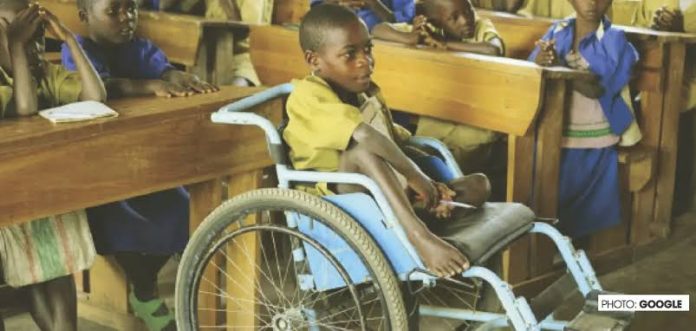
LAFIA, Nasarawa State — The Executive Chairman of the Nasarawa State Disability Rights Commission (NSDRC), Hon. Saleh Barde Keana, has made a passionate call for the special recognition and enrollment of girls with disabilities in schools across the state, emphasizing that true gender equality in education cannot be achieved without deliberate inclusion of learners with disabilities.

Hon. Barde Keana made the appeal during the official launch of the Nasarawa State Policy on Gender in Education, an event organized by the State Ministry of Education in collaboration with the Adolescent Girls Initiative for Learning and Empowerment (AGILE). The ceremony, which took place at Jibrin Ahmed Hall, Science School Lafia, brought together education stakeholders, policymakers, gender advocates, and development partners committed to advancing equitable access to education for all.

Delivering his goodwill message, the NSDRC Chairman commended the Ministry of Education and AGILE for their visionary efforts in developing the new gender policy, describing it as a bold step toward eliminating discrimination and promoting educational empowerment for women and girls.

However, he noted that “gender equality will remain incomplete if girls with disabilities are not intentionally included.” Hon. Barde Keana emphasized that disability inclusion is not charity but a matter of human rights, underscoring that every child, regardless of ability or background, deserves access to quality education.

“Education is the fundamental right of every child, including those with disabilities. We must ensure that our schools, policies, and learning environments are accessible and inclusive so that no girl is left behind,” he said.

He urged the Nasarawa State Government to prioritize the enrollment, retention, and empowerment of girls with disabilities, noting that many of them continue to face multiple layers of exclusion — from social stigma and poverty to physical inaccessibility and lack of assistive learning materials.

Hon. Keana also advocated for stronger collaboration between AGILE and the Nasarawa State Disability Rights Commission to develop a disability-inclusive education framework, one that would identify and address the unique barriers faced by girls with disabilities. According to him, such partnership would not only strengthen the implementation of the new gender policy but also help bridge existing gaps in educational opportunities within the state.

He added that disability inclusion in education aligns with global commitments such as the United Nations Convention on the Rights of Persons with Disabilities (UNCRPD) and the Sustainable Development Goals (SDGs), particularly Goal 4, which seeks to ensure inclusive and equitable quality education for all.

The event drew commendations from participants who applauded the Disability Rights Commission for its proactive advocacy and reaffirmed the need for joint action between government agencies, civil society organizations, and development partners to make inclusive education a living reality in Nasarawa State.

With this renewed call from the NSDRC, stakeholders are once again reminded that no gender policy can truly succeed without integrating disability inclusion, and that the future of education in Nasarawa must reflect the aspirations and rights of all children — especially girls with disabilities.

Abia State Disability Commission Brings Hope to Persons with Albinism — Distributes Free Sunscreens to 100 Beneficiaries

0

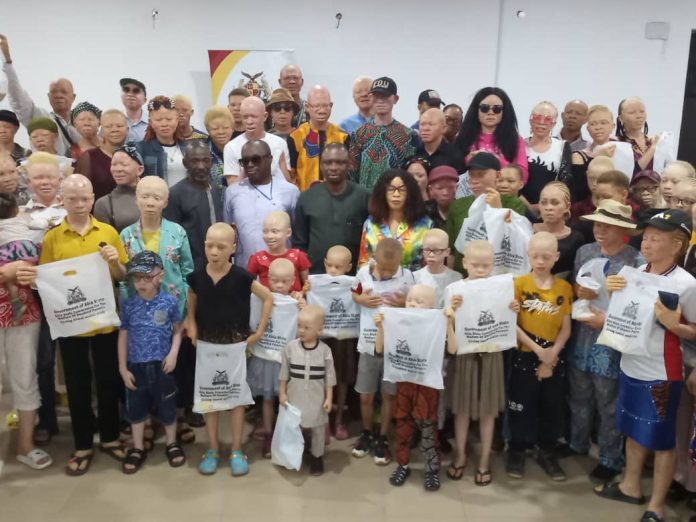
In a bold step toward promoting the health and wellbeing of persons with albinism, the Abia State Disability Commission has distributed free sunscreen lotions to 100 beneficiaries across the state — a move described as life-saving and unprecedented in Abia’s disability community.

The event, which took place on Friday in Umuahia, attracted jubilant beneficiaries, community representatives, and disability advocates who hailed the initiative as a strong show of inclusion and compassion under the administration of Governor Alex Otti.

The Chairman of the Abia State Disability Commission, Mr. David Anyaele, explained that the distribution was a timely intervention aimed at helping persons with albinism protect their skin from harmful ultraviolet rays, especially as the dry season approaches.

“We are entering a period that is particularly harsh for persons with albinism — their skin becomes dry and sometimes bleeds. The use of appropriate sunscreen lotion is critical to protect them against sunburn and reduce the risk of skin cancer,” Anyaele stated.

According to him, the initiative is part of Governor Alex Otti’s commitment to improving the welfare of all persons with disabilities in the state, ensuring that no one is left behind in the government’s development agenda.

“Our concern stems from the understanding that there is a growing prevalence of skin cancer among persons with albinism, often in varying stages. We believe strongly that prevention is better and cheaper than cure,” he added.

Anyaele further emphasized that the exercise would not be a one-off intervention, but a continuous support program designed to reach more persons with albinism in subsequent phases.

“Today we are reaching out to 100 beneficiaries, but this is just the beginning. The Commission will continue to identify and support more persons with albinism across Abia State,” he assured.

The Chairman of the Albinism Association of Nigeria (AAN), Abia Chapter, Mr. Enyinnaya Nwosu, expressed deep appreciation to the state government and the Commission for what he called a “historic gesture.”

“This is the first-of-its-kind initiative in Abia. Many persons with albinism have suffered silently due to the high cost of quality sunscreen products, which are essential but often unaffordable. We are grateful that the state government has recognized this need,” Nwosu said.

He noted that there are over 1,000 persons with albinism in Abia State, and the association has been actively engaging in radio sensitization programs, outreach to traditional rulers, and advocacy campaigns to raise awareness and ensure that members across the 17 local government areas are reached.

The distribution exercise was not only a demonstration of inclusion but also a message of hope and dignity — showing that the government values the lives of persons with albinism and is ready to provide practical support.

Observers described the initiative as a model for other states to emulate, particularly in integrating disability-focused health interventions into mainstream governance.

As the beneficiaries walked away with their lotions and smiles, the event served as a reminder that inclusive governance is not just about policies — it is about people, compassion, and action.

With the Abia State Disability Commission leading the way, many believe this is the beginning of a new era where the rights and welfare of persons with disabilities, including those with albinism, are prioritized and protected.

Follow the The Qualitative Magazine channel on WhatsApp: https://whatsapp.com/channel/0029VanfIB50wajpjGi3JJ1G