Sunday, December 14, 2025
Home Blog Page 3

IDPD 2025: Yar’Adua Foundation to Host Major Policy Forum on Disability Inclusion as Nigeria Enters Full Enforcement of Disability Act

0

The Shehu Musa Yar’Adua Foundation is set to convene a high-level public policy forum on disability inclusion on Wednesday, December 3, as part of activities commemorating the 2025 International Day of Persons with Disabilities (IDPD). The event, expected to attract top government officials, foreign diplomats, development partners and leading disability advocates, will take place at the Yar’Adua Centre in Abuja.

In a statement released on Saturday, the Foundation revealed that the forum is being organised in partnership with the Office of the Deputy Speaker of the House of Representatives, the Australian High Commission, Christian Aid, IREDE Foundation, Inclusive Friends Association (IFA), Cedar Seed Foundation and the Nigeria Social Insurance Trust Fund (NSITF).

The policy dialogue, themed “Valuable, Driven, Capable: Advancing Workplace Inclusion for Persons with Disabilities in Nigeria,” comes at a pivotal moment for the country. The five-year moratorium granted to public and private institutions to comply with the Discrimination Against Persons with Disabilities (Prohibition) Act of 2018 has officially expired—meaning organisations are now legally required to meet its mandatory standards without delay.

According to the organisers, the Act obligates employers nationwide to implement workplace accessibility measures and ensure that at least five percent of their workforce comprises persons with disabilities. The renewed push for enforcement, they note, makes this year’s forum particularly timely and urgent.

“Following the expiration of the five-year moratorium on compliance with the Discrimination Against Persons with Disabilities (Prohibition) Act, 2018, organisations across Nigeria are now legally required to comply with its key provisions,” the statement emphasised, underscoring the importance of the forthcoming discussions.

Secretary to the Government of the Federation (SGF), George Akume, will serve as the Special Guest of Honour, reaffirming the Federal Government’s commitment to disability inclusion, workplace equity and human rights.

Vivian Emehelu, Director of Programmes and Administration at the Yar’Adua Foundation, said the conversation will focus on practical strategies to fast-track workplace inclusion at a systemic level. According to her, the forum will challenge outdated stereotypes that reduce disability to pity and charity, and instead spotlight the skills, innovation, productivity and resilience that Nigerians with disabilities bring to the nation’s workforce.

She noted that the event aligns strongly with the Foundation’s mission to promote human rights, social justice and inclusive development while strengthening collaboration among government agencies, the private sector, civil society organisations and international partners.

“This forum creates a platform to deepen partnerships and drive evidence-based solutions to workplace discrimination. It is about shifting the national mindset and demonstrating that persons with disabilities are capable, valuable contributors to Nigeria’s economy,” Emehelu explained.

The policy forum is expected to draw ambassadors, lawmakers, senior government officials, business executives, development organisations and leaders of disability-focused groups from across the country. Stakeholders will explore the realities of implementing the disability employment quota, the gaps in workplace accessibility, the role of employers in driving inclusive practices, and the broader economic benefits of tapping into Nigeria’s vast pool of talented persons with disabilities.

As Nigeria fully enters the enforcement phase of its disability law, the Yar’Adua Foundation says the time is ripe for bold action, stronger accountability and unified advocacy for a truly inclusive workforce.

The December 3 policy forum promises to be one of the major national conversations shaping the future of disability-inclusive development in Nigeria.

Follow the The Qualitative Magazine channel on WhatsApp: https://whatsapp.com/channel/0029VanfIB50wajpjGi3JJ1G
PWDs Laud Gov. Alex Otti’s Drive for Inclusive Governance, Seek Greater Empowerment in Abia

0

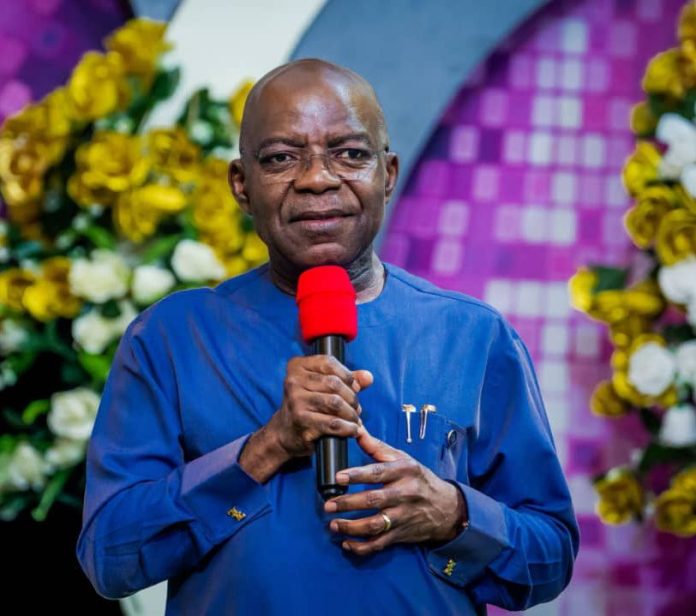
The National Association of Persons with Physical Disabilities (NAPWPD), Abia State chapter, has applauded Governor Alex Otti for what it describes as a bold and progressive commitment toward building a more inclusive Abia where no citizen is left behind.

The commendation was made on Thursday in Aba during the inauguration of the new leadership of NAPWPD, Aba North Local Government Area (LGA), an event that brought together disability advocates, government representatives, and community stakeholders determined to advance the rights and welfare of Persons with Disabilities (PWDs) in the state.

NAPWPD Praises Otti’s Inclusive Leadership

Speaking at the event, the Abia State Chairman of NAPWPD, Mr. Iroabuchi Alozie, hailed Governor Otti for taking concrete steps to address long-standing barriers faced by PWDs. He said the administration’s establishment of the Abia State Disability Commission stands as a historic milestone and a clear indication of the governor’s genuine commitment to disability inclusion.

According to him, beyond establishing the commission, the state government has initiated deliberate actions to improve accessibility across Abia—particularly in public buildings, schools, and transportation facilities, making them more accommodating for persons with disabilities.

“These are the kinds of changes we have advocated for over the years, and it is refreshing to see a government that listens and acts,” Mr. Alozie noted.

Call for Employment and Empowerment Opportunities

Despite the progress made, Alozie stressed that there is still much work to be done to ensure economic independence and dignity for PWDs. He appealed to the government to expand access to job opportunities, empowerment programmes, and skills development initiatives, noting that many PWDs are educated, skilled, and eager to contribute meaningfully to society.

“PWDs face unique challenges in accessing basic necessities, education, and employment. We need more support to change this narrative,” he said.

New Leadership, New Hope

The inauguration of the new NAPWPD Aba North leadership marked what members described as a new chapter in the struggle for disability inclusion at the local government level. The newly installed leaders will pilot the affairs of the association for the next four years, with hopes high among members that they will champion a stronger, more united disability community.

Charging the new executives, Alozie emphasized that true leadership goes beyond occupying a position—it is defined by the capacity to inspire, uplift, and advocate for others.

Aba North LGA Pledges Support

In his goodwill message, the Chairman of Aba North LGA, Mr. Timothy Iheke, represented by his Deputy, Mr. Christian Chijioke, reaffirmed the local government’s commitment to supporting disability inclusion.

Describing PWDs as “intelligent, resourceful, and full of potential,” Iheke encouraged the new leadership to remain dedicated to fostering empowerment and unity within the disability community.

Coordinator Seeks Greater Collaboration

In her acceptance speech, the newly inaugurated NAPWPD Aba North Coordinator, Mrs. Roseline Alaribe, expressed gratitude to Governor Otti’s administration for creating a more supportive environment for PWDs. She stressed the need for deeper collaboration between government and disability groups to unlock opportunities that will uplift members.

“Many of us are graduates and possess various marketable skills. What we need are employment, empowerment, and continuous training to improve our lives and contribute to the growth of Abia State,” she said.

Towards a More Inclusive Abia

The event ended with renewed calls for stronger government–community partnership to advance disability rights across the state. Stakeholders agreed that with sustained political will and coordinated advocacy, Abia can become a shining example of inclusion, accessibility, and equal opportunity for all citizens—especially for persons with disabilities who have long been marginalized.

As NAPWPD Aba North ushers in a fresh leadership era, expectations are high that the momentum for disability inclusion in Abia will continue to gather strength, inspired by the hope and determination echoed throughout the event.

Follow the The Qualitative Magazine channel on WhatsApp: https://whatsapp.com/channel/0029VanfIB50wajpjGi3JJ1G
JONAPWD Rallies Stakeholders to Push Government on GDS Commitments at COSDIN 2025

0

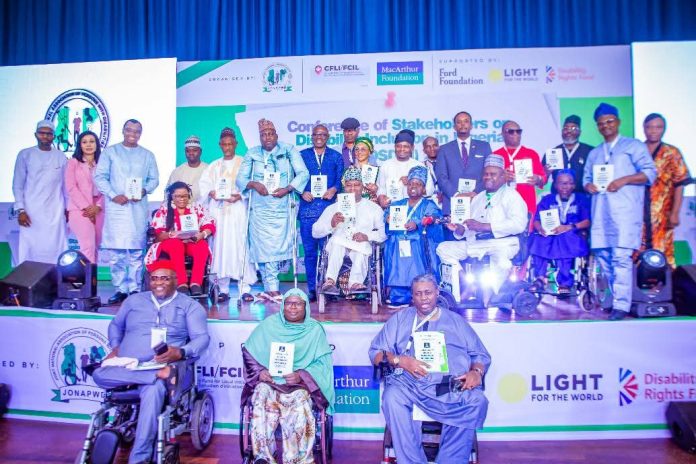
Abuja, Nigeria — November 27, 2025 — The Joint National Association of Persons With Disabilities (JONAPWD) has renewed its push for the Nigerian government and key institutions to move from promises to concrete action in implementing commitments made at the Global Disability Summit (GDS). This call came during the Conference of Stakeholders on Disability Inclusion in Nigeria (COSDIN) 2025, which convened in Abuja on Thursday with a powerful assembly of voices from across the 36 states and the FCT.

The two-day national conference, held in commemoration of the 2025 International Day of Persons With Disabilities (IDPD), brought together Ministries, Departments and Agencies (MDAs), private sector leaders, development partners, disability groups, innovators, and advocates to chart actionable pathways toward disability-inclusive development.

With the conference theme “From Commitment to Action: Advancing Disability-Inclusive Development in Nigeria,” the atmosphere was one of urgency, solidarity, and renewed hope.

“Move Beyond Berlin Commitments”—JONAPWD President Challenges Stakeholders

President of JONAPWD, Abdullahi Aliyu Usman, underscored the essence of COSDIN 2025: a strategic gathering designed to transform the commitments Nigeria made during the GDS in Berlin into real, measurable progress.

“We brought all relevant stakeholders together so we can collectively ensure that every commitment Nigeria made at the Global Disability Summit goes beyond paper and becomes active implementation,” Usman stated.

He urged PWDs, OPDs, government actors, and development partners to strengthen collaboration, emphasizing that only unity of purpose will translate years of advocacy into tangible results.

“We have struggled for long. It’s time those struggles produce real, positive fruits,” he added.

While acknowledging recent government strides on disability inclusion, the JONAPWD President called for intensified efforts, insisting that expectations from the disability community remain high.

FG: “Interventions Without PWDs Are Incomplete”

Speaking on behalf of the Minister of Humanitarian Affairs and Poverty Reduction, Daniel Dung Dalyop reaffirmed the ministry’s commitment to disability inclusion.

“It is within our mandate to engage with persons with disabilities. Any intervention without PWD involvement is incomplete,” he said.

Dalyop announced that the new national social register will include fully disaggregated disability data—an innovation expected to make interventions quicker, more accurate, and more responsive.

“Empower PWDs for Manufacturing and Business”—Former NCPWD ES Advocates

Immediate past Executive Secretary of the NCPWD, Dr. James Lalu, stressed that economic empowerment remains a major frontier for achieving full inclusion.

He said one of the strongest pathways to reducing discrimination is to build the entrepreneurial and manufacturing capacity of PWDs, especially in the production of assistive devices.

“The Renewed Hope Agenda Committee should prioritize entrepreneurship for persons with disabilities. That is how we reduce discrimination and open sustainable livelihood opportunities,” Lalu told journalists.

Inclusive Budgeting is Key — Dr. Chike Okogwu

Dr. Chike Okogwu, Executive Director of Centre for Ability, Rehabilitation and Empowerment (CARE), delivered a compelling message: Nigeria cannot achieve disability inclusion if budgets remain non-inclusive.

“If we rely solely on NCPWD to push disability inclusion, progress will be minimal. Every MDA must implement its mandate toward disability inclusion through a more inclusive budget structure,” he said.

He praised the government’s efforts so far but stressed that the achievements remain far from the expectations of the disability community.

“From Begging to Rights Movement”—Misbahu Didi Celebrates Progress

Former APC National Leader for Persons with Disabilities, Misbahu Lawan Didi, provided a historical perspective on the evolution of the disability movement in Nigeria.

“We have gone from a begging movement to a rights movement. PWDs are now fully participating in politics and represented across political party structures.”

He highlighted remarkable progress in sports, business, and civic participation, describing these as milestones worth celebrating.

A Packed Agenda: Keynotes, Data Unveiling, Innovations, and Panels

COSDIN 2025 featured a rich lineup of sessions and presentations, signalling a new era of disability-inclusive programming in Nigeria.

Key Highlights:

🔹 Keynote Address

Delivered by Dr. Tayo Aduloju, CEO of the Nigerian Economic Summit Group (NESG), titled:
“The Renewed Hope Agenda: Where Are We With Persons With Disabilities?”
His keynote challenged policymakers to embed disability inclusion as an economic, social, and governance priority.

🔹 JONAPWD Data Count Unveiling

A major highlight was the presentation of exploratory demographic data of persons with disabilities across Nigeria—an initiative expected to support evidence-based policymaking and targeted interventions.

🔹 Innovations in Inclusive Product Design

Sterling Bank, FCMB, DBBO Africa, NTA, and others showcased groundbreaking solutions aimed at improving accessibility and inclusive service delivery across sectors.

🔹 Thematic Sessions and Panel Discussions

Bridging the Response Divide: Digital Accessibility for GBV Survivors with Disabilities

Nigeria’s Commitments at GDS 2025: Turning Pledges into Policy and Practice

Cluster-Based Priority Actions for Disability Rights Implementation

These sessions provided a roadmap for multi-stakeholder collaboration in disability rights, policy development, and service innovation.

A Turning Point for Disability Inclusion in Nigeria

As the conference closed, one message echoed across the hall: Nigeria must now move boldly from commitment to action.

COSDIN 2025 not only brought together the most influential actors in the disability sector—it laid the foundation for strengthening accountability, leveraging innovation, and accelerating progress toward a truly disability-inclusive Nigeria.

With renewed energy from OPDs, MDAs, political actors, private organizations, and development partners, there is a collective resolve that disability inclusion will no longer be an afterthought, but a national priority guiding the country’s development agenda.

Follow the The Qualitative Magazine channel on WhatsApp: https://whatsapp.com/channel/0029VanfIB50wajpjGi3JJ1G
NCPWD Donates Embosser Machine to Federal University Lafia, Strengthens Commitment to Inclusive Tertiary Education

0

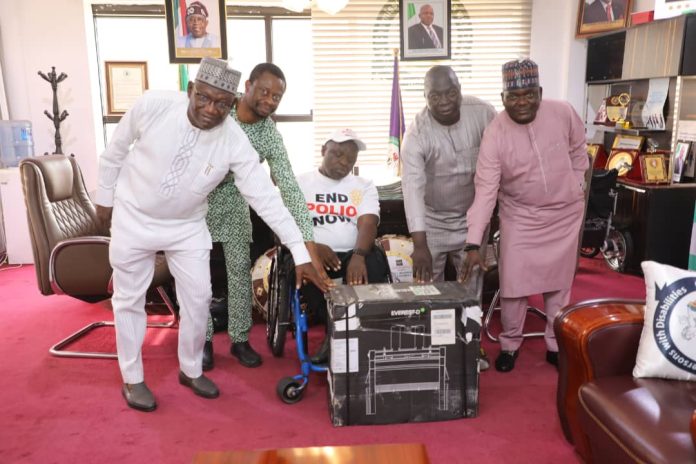
Abuja, Nigeria – November 27, 2025 — In a major step toward improving access to inclusive education in Nigerian tertiary institutions, the National Commission for Persons with Disabilities (NCPWD) has donated a high-capacity Embosser machine to the Federal University of Lafia, Nasarawa State. The donation marks a renewed commitment by the Commission to support higher institutions in creating barrier-free learning environments for students and staff with visual impairments.

The delegation from Federal University Lafia, led by Professor Adaka Ahon, visited the headquarters of the Commission in Abuja for a strategic engagement centred on deepening institutional collaboration on disability-inclusive education across Nigeria’s tertiary sector.

The Embosser machine — a digital device that converts typed text into Braille and prints seamlessly — is expected to significantly enhance access to information, communication, and instructional materials for students and staff with visual impairments. The device will also support the university in its ongoing efforts to strengthen inclusive learning systems and comply with global accessibility standards.

NCPWD Reiterates Commitment to Educational Accessibility

Presenting the Embosser, the Executive Secretary of NCPWD, Hon. Ayuba Burki Gufwan, emphasized its importance in bridging communication gaps between visually impaired students and lecturers, describing it as a transformative tool in inclusive education.

“I believe this Embosser will go a long way in helping both lecturers and students communicate effectively with blind learners,” Gufwan said.

“With the simplicity of this machine, anyone who can type on a computer can instantly produce Braille format materials. We consider this a critical assistive device capable of improving teaching, learning, and overall academic participation for Persons with Disabilities.”

He commended Federal University Lafia for its progressive policies that promote disability inclusion, noting that the university has become a model for other tertiary institutions across the country. Gufwan also expressed gratitude to the Vice Chancellor, Prof. Shehu Abdullahi Rahman, for taking bold steps to subsidize tuition fees for students with disabilities — a gesture he described as “a remarkable investment in human capital and social justice.”

University Management Applauds the Donation

Responding on behalf of the Vice Chancellor, Prof. Shehu Abdullahi Rahman, Professor Adaka Ahon expressed profound appreciation to the Commission for what he termed a timely and invaluable donation.

“We are delighted to receive this from the Commission. Before now, we only heard and saw the many assistive devices the Commission has provided to organizations and individuals nationwide,” he said.

“This machine will not only enhance communication and learning for our visually impaired students, but it will also support the accreditation of some courses, particularly those that require accessible learning formats. Its market cost is significantly high, and receiving it as a donation means a lot to us as an institution.”

He reaffirmed Federal University Lafia’s commitment to sustaining policies that protect the rights of students with disabilities and promote equal access to education.

A Shared Vision for Inclusive Education

The engagement between NCPWD and Federal University Lafia concluded with a strong resolution to deepen cooperation in key areas such as policy development, institutional strengthening, disability-inclusive infrastructure, and the expansion of free and accessible education for Persons with Disabilities.

Both institutions agreed that sustainable partnerships of this nature remain critical in advancing disability rights, promoting academic excellence, and ensuring that no student is left behind due to inaccessible learning materials or environments.

With this gesture, the NCPWD continues to reinforce its mandate to ensure equal opportunities for Persons with Disabilities across all sectors — especially education, which remains a cornerstone of empowerment and inclusion.

UK Government and Lagos State Strengthen Ties to Champion Disability Inclusion and Gender Equality

0
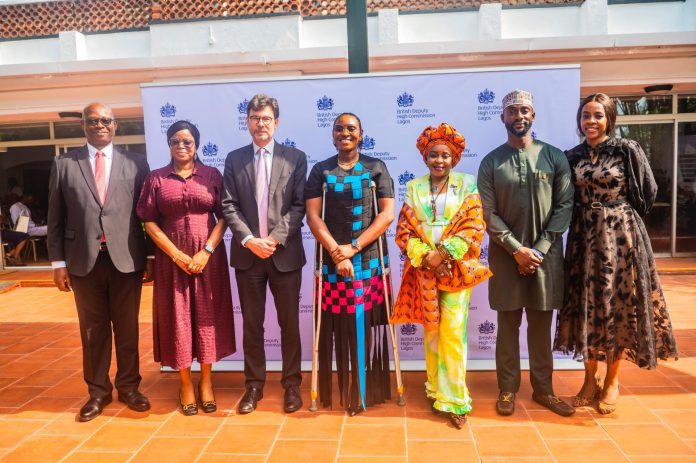
L-R: Permanent Secretary for the Lagos State Ministry of Youth and Social Development, Pharm. Toyin Oke-Osanyintolu; British Deputy High Commissioner, Mr Jonny Baxter; General Manager, Lagos State Office for Disability Affairs (LASODA), Adenike Oyetunde-Lawal and Hon. Commissioner for Youth and Social Development, Mr. Mobolaji Ogunende… at the 16 Days of Activism 2025 and International Day of Persons Living with Disabilities, today in Lagos.

Landmark alliance amplifies call to protect and empower women and girls with disabilities during 16 Days of Activism and IDPD

Lagos, Nigeria – November 27, 2025 — In a powerful display of shared commitment and global solidarity, the British Deputy High Commission in Lagos and the Lagos State Office for Disability Affairs (LASODA) have joined forces to advance disability inclusion and gender equality, marking a historic moment in this year’s 16 Days of Activism Against Gender-Based Violence and the International Day of Persons with Disabilities (IDPD).

The high-profile event, hosted at the British Deputy High Commission, brought together top government officials, diplomats, disability rights advocates, civil society organisations, development partners, and media stakeholders to spotlight the urgent need to dismantle the systemic barriers that limit the full participation of women and girls with disabilities.

With the theme “Breaking Barriers, Building Bridges: A Unified Stand for the Rights of Women and Girls with Disabilities,” the forum served as both a celebration of resilience and a rallying cry for collective action against violence, exclusion, and discrimination.

A Call to Action From the UK Government

Welcoming participants, the British Deputy High Commissioner, Mr. Jonny Baxter, reaffirmed the United Kingdom’s strong partnership with Lagos State in promoting inclusive governance and gender justice.

“The UK is proud to partner with Lagos State in advancing disability inclusion and gender equality. Today’s event is not just dialogue; it is a decisive call to action,” he stated.
He emphasised the heightened risks that women and girls with disabilities face—ranging from discrimination to gender-based violence—and stressed that confronting these challenges requires unwavering collaboration, commitment, and courage.
“Together, we can create a society where every person, regardless of ability, is empowered to lead and succeed,” he added.

LASODA Reaffirms Commitment to an Inclusive Lagos

General Manager of LASODA, Adenike Oyetunde-Lawal, described the collaboration as a significant milestone in Lagos State’s journey towards becoming a fully inclusive and accessible society.

“This collaboration with the British High Commission is a significant step forward in our mission to create a truly inclusive and accessible Lagos,” she said.
By aligning the global campaigns of the 16 Days of Activism and IDPD, she explained, Lagos State is sending a powerful message that the rights of women and girls with disabilities are non-negotiable.
“We are committed to breaking down barriers and ensuring their full participation in all aspects of social, economic, and political life,” she affirmed.

Youth and Social Development Ministry Backs the Movement

Also speaking at the event, the Lagos State Commissioner for Youth and Social Development, Mr. Mobolaji Ogunende, underscored the government’s dedication to ensuring that no citizen is denied opportunities.

“Our youth and social development agenda is rooted in inclusion and equality. This partnership with the British High Commission and LASODA sends a clear message: no one should be left behind,” he said.
He emphasized that women and girls with disabilities deserve not only protection but opportunities to thrive in a society that values them.
“Together, we are building systems that dismantle barriers and create a Lagos where every individual can contribute and lead,” Ogunende added.

A Forum of Ideas, Voices, and Shared Resolve

The event featured a rich lineup of keynote speeches, panel discussions, and thought-provoking conversations centered on inclusive policy reform, intersectional challenges, and strategic pathways for sustainable impact.

Participants engaged on issues such as:

Strengthening legal and social protections for women and girls with disabilities

Enhancing accessibility across public spaces and services

Tackling gender-based violence through prevention and survivor-centered support

Amplifying leadership opportunities within communities and governance structures

Building inclusive economies that empower women with disabilities

Emotional testimonies from disability advocates and survivors further underscored the urgency of collaborative action, moving participants and reinforcing the message that inclusion is not optional—it is essential.

A Strong Statement Toward an Inclusive Future

The UK-Lagos partnership marks a defining moment in efforts to mainstream disability rights within gender and development agendas. As global attention focuses on the 16 Days of Activism and IDPD, this initiative demonstrates what is possible when governments and partners unite to challenge injustice and build bridges of opportunity.

With renewed commitments and strengthened alliances, the event closed with a powerful resolve: to create a Lagos—and a Nigeria—where women and girls with disabilities are safe, respected, empowered, and given the freedom to rise.

This landmark collaboration is expected to spark further actions, inspire more inclusive policies, and set the tone for transformative change across the country.

NCPWD, KASPA Strengthen Collaboration to Advance Disability Inclusion in Nigeria

0

In a renewed move to deepen disability inclusion and strengthen social protection systems across the country, the National Commission for Persons with Disabilities (NCPWD) has reaffirmed its commitment to safeguarding the rights and welfare of Persons with Disabilities (PWDs). This came during a strategic engagement with a high-powered delegation from the Kano State Social Protection Agency (KASPA) at the Commission’s headquarters in Abuja on Tuesday.

The meeting marked a major step toward building stronger federal–state synergy aimed at reducing poverty, expanding access to social protection, and ensuring no individual with a disability is left behind—especially in communities where support systems are still emerging.

NCPWD Records Rise in Disability Data, Calls for Stronger Stakeholder Partnerships

Executive Secretary of the NCPWD, Hon. Ayuba Burki Gufwan, expressed satisfaction with KASPA’s efforts in supporting vulnerable populations, noting that the rising number of Nigerians living with disabilities—now estimated at over 38 million, up from 35.5 million—calls for stronger collaboration, better data management, and more inclusive development strategies.

Hon. Gufwan commended KASPA for its proactive commitment to inclusivity, particularly in an era where poverty, social exclusion, and limited access to support systems continue to affect millions.
“We are committed to working with KASPA and other stakeholders to create an inclusive society where Persons with Disabilities can thrive,” he said. “Partnerships like this are the backbone of our mandate, especially as we expand our reach to every local government in the country.”

He emphasized that the Commission is intensifying efforts to build institutional linkages across states, empower local actors, and strengthen early detection and data systems that will help tailor interventions to the needs of PWDs.

KASPA Unveils Ambitious Plans for Disability Inclusion in Kano State

The Director General of KASPA, Dr. Fatima Abdul Abubakar, who led the delegation, praised the NCPWD for its consistent support and leadership in national disability affairs. She highlighted KASPA’s expanding portfolio of social protection interventions, including the establishment of a dedicated Disability Department—the first of its kind in the state’s social sector architecture.

She announced a landmark initiative: plans to establish the Kano State Commission for Persons with Disabilities, a statutory body expected to strengthen disability rights enforcement, improve service coordination, and enhance the visibility of PWDs at the grassroots level across all 44 local government areas.

“This will enable us to reach Persons with Disabilities in every community and deepen our social protection impact,” Dr. Fatima said. “We look forward to a fruitful collaboration with NCPWD to promote the rights and well-being of Persons with Disabilities in Kano State and beyond. We are also seeking synergy with the Commission toward building a robust disability data management system.”

According to her, the proposed Commission will harmonize disability-related programs, eliminate duplication, and ensure that social protection interventions effectively target beneficiaries who need them most.

Kano State’s Bold Social Protection Reforms

Established in 2025 under Governor Abba Kabir Yusuf’s administration, KASPA has been positioned as a central driver of institutional reform and social inclusion in Kano State. The agency coordinates, implements, and monitors social protection activities across the state—targeting improved livelihoods, poverty reduction, and equitable access to opportunities.

Its core objectives include:

  • Poverty reduction: Implementing programs to improve living standards
  • Social inclusion: Ensuring vulnerable groups have equal access to services and opportunities
  • Livelihood enhancement: Supporting initiatives that stabilize income and build resilience

The agency also plays a pivotal role in building synergy among ministries, departments, and agencies to ensure coherent implementation of social protection policies.

Toward a More Inclusive Nigeria

The meeting between NCPWD and KASPA reflects a shared vision: building a Nigeria where persons with disabilities enjoy full rights, dignity, and opportunities for growth. By aligning federal and state-level efforts, both institutions aim to accelerate disability inclusion, expand access to essential services, and ensure coordinated social protection interventions.

As conversations on disability inclusion continue to gain national prominence, this partnership signals a bold step toward strengthening institutional frameworks, empowering communities, and securing a better future for millions of Nigerians with disabilities.

The collaboration is expected to lead to more concrete action plans in the coming months—especially in areas of disability data management, policy development, and grassroots inclusion.

— By TQM News Desk

AbilityX 1.0: Nigeria Set to Host Premier Disability Inclusion Conference to Shape a More Inclusive Futurel

0

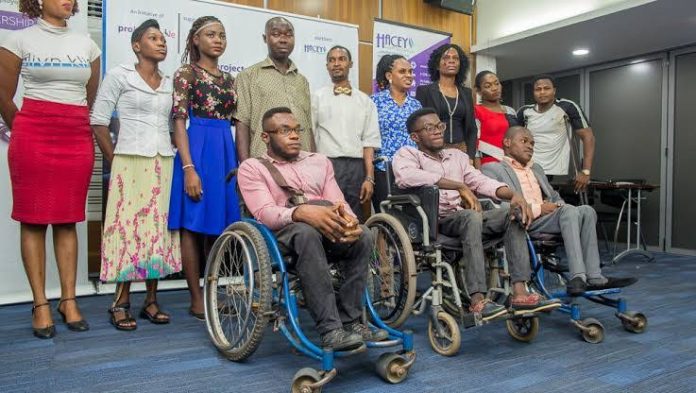
Nigeria is set to witness a historic milestone in its disability inclusion journey as Project Enable Africa (PEA) announces the maiden edition of the country’s premier Disability Inclusion Conference, AbilityX 1.0, scheduled to hold on Tuesday, December 2, 2025, in Ikeja, Lagos.

The Executive Director of Project Enable Africa, Mr. Olalekan Owonikoko, disclosed this while addressing journalists in Lagos, noting that the conference is designed to ensure that persons with disabilities (PWDs) transition from being mere beneficiaries of inclusion to becoming active architects of an inclusive and innovative African future.

According to Owonikoko, AbilityX 1.0 forms part of activities commemorating the International Day of Persons with Disabilities, and represents a bold shift from advocacy to practical, transformative action.

“AbilityX is about ensuring persons with disabilities are not just beneficiaries of inclusion but active architects of Africa’s inclusive future,” Owonikoko said.

A Conference Designed for the Future
With the theme “The Future of Disability Inclusion in Nigeria,” AbilityX 1.0 will bring together innovators, policymakers, industry leaders, researchers, and disability advocates from across Africa. The conference will explore the rapidly evolving intersections between disability, technology, data, and the future of work.

Participants will also engage in discussions showcasing emerging assistive technologies, digital inclusion models, and policy reforms designed to strengthen long-term disability empowerment across Nigeria.

Owonikoko noted that the event will serve as a convergence point for critical thematic focus areas, including:

Financial inclusion

Employability and workforce development

Entrepreneurship

Healthcare and rehabilitation

Inclusive media and communications

Hospitality and service delivery

Data-driven policy reforms

“AbilityX 1.0 will convene leading voices across sectors to catalyse measurable progress toward disability inclusion in Africa,” he added.

High-Level Speakers Set to Headline
The conference will feature a stellar lineup of influential thought leaders across the public and private sectors. Among them are:

Dr. Kola Olugbodi, CEO, Background Check International

Temi Dalley, Group Executive, Human Capital & Corporate Services, Sterling Financial Holdings Company

Mobolaji Abubakre Ogunlende, Lagos State Commissioner for Youth and Sports

Oluseun Onigbinde, CEO, BudgiT

Cosmas Okoli, CEO, Mobility Aid and Appliances Research and Development Centre (MAARDEC)

Dipo Adesida, COO, Verdant Zeal Group

Kingsley Ezeocha, Head of Sales & Marketing, Hygeia

Dolapo Agbede, Inclusion and DEI Expert

Tosin Ishola, COO, Lafiami

These experts will share compelling insights and lead transformative dialogues aimed at strengthening systems that empower PWDs to thrive in Nigeria’s fast-changing economic landscape.

Jobberman Nigeria Champions Inclusive Workforce Development
As a strategic partner, Jobberman Nigeria reaffirmed its commitment to ensuring that the evolving labour market does not leave persons with disabilities behind.

Speaking on the partnership, Olamide Adeyeye, Country Head of Programmes, Jobberman Nigeria, stated:

“We are excited to partner with Project Enable Africa in advancing inclusion as we collectively reimagine the future of work for marginalised populations, especially persons with disabilities.”

Adeyeye noted that the AbilityX platform represents a significant step in strengthening disability leadership, advancing inclusive employment opportunities, and positioning Nigeria as a continental leader in disability-centered innovation.

A Platform Built for Sustainable Change
AbilityX 1.0 is expected to serve as a launchpad for new collaborations, sustainable inclusion programs, and measurable policy influence that support PWDs across Nigeria.

Stakeholders across government, technology, civil society, the private sector, and international development organizations are expected to participate, making it one of the most impactful events targeted at accelerating disability inclusion in Nigeria and Africa at large.

As Nigeria continues its progress toward a disability-inclusive economy, AbilityX 1.0 signals a new era—one where persons with disabilities are empowered not just to participate, but to lead, shape, and define the systems that affect their lives and futures.

Deaf Community Urges President Tinubu, Nigerians to Support Employment and Development Initiatives

0

The hearing-impaired community in Nigeria, under the umbrella of the Deaf Supporters Development Initiative (DSDI), has issued a passionate appeal to President Bola Ahmed Tinubu and Nigerians to support deaf citizens across the country by providing gainful employment and advancing disability-inclusive development.

The appeal was made in Lagos on Monday during a press briefing ahead of the organisation’s upcoming national seminar and symposium themed “Democracy, Disability and Development.”

The call also precedes the 2025 International Day of Persons with Disabilities (IDPWD), which will be commemorated globally on December 3 with the theme “Fostering Disability Inclusive Societies for Advancing Social Progress.”

Formerly known as the Organisation of Deaf Business Men and Women in Nigeria (ODBMWIN), DSDI said employment, empowerment and inclusion remain critical challenges confronting deaf Nigerians, despite their active participation in national development.

Deaf Community Seeks Government’s Intervention

The President of DSDI, Afolabi Dahunsi, appealed to the Federal Government, private sector, civil society, and Nigerians of goodwill to support the organisation with employment opportunities and funding for administrative and operational needs.

According to Dahunsi, the organisation requires assistance to keep its secretariat functioning, including payment of staff and maintenance of work equipment.

He listed several urgent needs such as:

  • Regular repair and upgrading of computers and office equipment
  • Photocopiers, laptops, scanners, printers, binding machines, fax machines and air conditioners
  • Electricity supply equipment such as generators
  • Television sets and office refrigerators
  • Provision of mobility buses to enhance transportation
  • Books and resources to upgrade the organisation’s library
  • Land for agricultural projects to create employment for deaf youths and school leavers

Dahunsi lamented that despite its longstanding contributions, the organisation still has no permanent office.

“We appeal for the acquisition of a permanent site and for a secretariat to be built,” he said. “This centre will be fully equipped with human and material resources and will serve as a multipurpose development base for vocational training and economic empowerment.”

Over Three Decades of Advocacy

Established in 1991, DSDI has consistently championed the rights of persons who are deaf and others with disabilities, promoting human rights, empowerment, accountability, democracy, and inclusive governance.

Despite this, Dahunsi said the organisation and its members continue to face challenges ranging from unemployment and exclusion from governance to limited access to essential support structures.

Tinubu Urged to Ensure Disability Inclusion

Dahunsi commended President Tinubu for recent steps taken to strengthen disability inclusion, particularly the introduction of sign language into the national school curriculum, which he described as “a milestone in breaking communication barriers.”

He, however, urged the President to further deepen political, economic and social inclusion for deaf Nigerians.

“We believe that with our encouragement and support as he seeks re-election, the President will do more to successfully pilot the affairs of the nation toward greater prosperity,” he said.

He noted that members of the deaf community will mark IDPWD 2025 by reaffirming their support for the President through the theme:

“Renewed Hope Agenda: A Life-Saving Intervention for the Deaf and Persons with Disabilities.

‘Political Parties Use and Dump Us’ — Dahunsi

Dahunsi expressed disappointment that although deaf Nigerians actively campaign and vote during elections, they are often overlooked for political appointments after candidates assume office.

“The deaf are loyal and hardworking members across different political parties,” he said. “But since the return to democracy in 1999, parties have continued to use and dump deaf persons after elections. We rarely receive appointments or recognition for our contributions.”

He stressed that the upcoming celebration is not solely to praise government but to table critical questions and policy recommendations that will promote meaningful inclusion of deaf people in political decision-making.

Celebration to Review Government Progress

The Guardian gathered that the 2025 observance will also feature presentations from analysts and stakeholders reviewing achievements of the current administration in disability rights and inclusive development.

Dahunsi said the gathering will continue to educate the public on the fact that “there is ability in disability”, and that a nation cannot achieve sustained growth while excluding millions of its citizens.

A Call for National Responsibility

As the world prepares to mark IDPWD 2025, the deaf community is urging government at all levels, political leaders, development partners and citizens to recognise the role, value and potential of persons who are deaf and invest in structures that empower them.

Dahunsi maintained that a more inclusive Nigeria is a more prosperous Nigeria, and called for policies that will ensure deaf Nigerians are not only seen but empowered, recognised and given the opportunity to contribute their full potential to national development.

CCD Trains Abia LGAs on Disability-Inclusive Disaster Preparedness, Strengthens Grassroots Climate Resilience

0

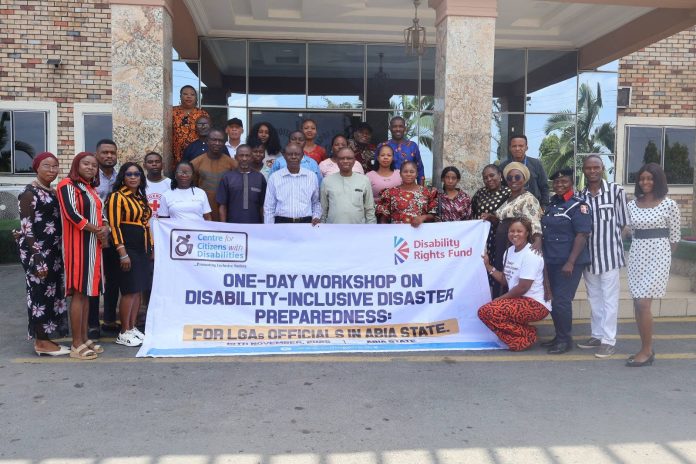
In a major step toward strengthening inclusive disaster management in Abia State, the Centre for Citizens with Disabilities (CCD) on Wednesday, November 19, 2025, convened a one-day sensitization workshop focused on disability-inclusive disaster preparedness for Local Government Areas (LGAs). The impactful session, held at Rapha Hotel in Umuahia, brought together local government officers, government agencies, disability cluster leaders, and the media—marking a significant milestone in efforts to ensure that persons with disabilities (PWDs) are not overlooked in disaster planning and climate change mitigation.

Supported by the Disability Rights Fund (DRF), the workshop aimed to enhance the capacity of LGA officers to design and implement disaster preparedness strategies that are inclusive, accessible, and responsive to the needs of PWDs at the grassroots level. As climate change intensifies and disaster risks increase across Nigeria, the training underscored the urgent need for inclusive models that protect vulnerable populations.

Delivering his remarks, Mr. David Anyaele, Chairman of the Abia State Disability Commission, reaffirmed the government’s commitment to embedding disability inclusion into all disaster preparedness frameworks. He noted that the Commission would work closely with relevant ministries, departments, and agencies to ensure that emergency plans and early warning systems adequately reflect the needs of PWDs.

Mr. Anyaele commended CCD for consistently leading conversations and interventions on disability inclusion in climate adaptation and mitigation. “It is commendable that the Centre for Citizens with Disabilities has been drawing attention to the need for us to prepare for disasters inclusively, leaving no one behind,” he said. He further expressed appreciation to CCD for selecting Abia as a pilot ground for its ongoing initiatives, acknowledging the state’s openness to development-focused collaborations.

In his address, Mr. Godwin Unumeri, Acting Director of CCD, highlighted the Centre’s sustained efforts in building the capacity of policymakers, stakeholders, and response organizations across Abia State since its initial intervention two years ago. He emphasized that this particular training represented a turning point, as it reached the grassroots for the first time. “The training was well planned and effectively implemented, to the extent that many participants now understand the concepts,” he stated with satisfaction.

Participants engaged in practical sessions on inclusive early warning systems, accessible evacuation procedures, the role of disability data in emergency planning, and strategies for mainstreaming disability considerations into local disaster response structures.

At the close of the workshop, climate change desk officers pledged to cascade the knowledge gained to their respective institutions, ensuring that inclusive disaster preparedness becomes a standard practice across all LGAs in Abia State.

With climate hazards increasingly threatening lives and livelihoods across Nigeria, CCD’s continued leadership in promoting disability-inclusive disaster management is a timely and impactful contribution to building resilient communities and safeguarding the rights of persons with disabilities.

GSCPWD Engages World Bank Leadership in High-Level Talks on Advancing Disability Inclusion in Nigeria

0

The drive toward a more inclusive Nigeria received a significant boost on Friday, November 21st, 2025, as the Gombe State Commission for Persons with Disabilities (GSCPWD) joined other key stakeholders in a strategic consultative meeting with the leadership of the World Bank. The high-level engagement, held at the World Bank Country Office in Abuja, brought together Task Team Leaders and disability inclusion advocates to review how ongoing World Bank–supported projects are integrating the needs and rights of Persons with Disabilities (PWDs) across the country.

The meeting served as a robust platform to examine the current state of disability inclusion in national development initiatives—particularly those financed by the World Bank—and to chart a more ambitious pathway for ensuring that no person with a disability is excluded from Nigeria’s development priorities.

Representing both the Gombe State Commission and the broader North-East region, the Executive Chairman of GSCPWD, Dr. Adamu Ishaq, delivered a powerful intervention that resonated with the gathering. He commended the World Bank for its continued support to the National Commission for Persons with Disabilities (NCPWD) and the six state-level Commissions—including Gombe State—while acknowledging the meaningful progress already made in mainstreaming disability inclusion across several ongoing World Bank projects.

However, Dr. Ishaq emphasized that mainstreaming alone is not enough. He called for deliberate, disability-specific interventions within World Bank programs—similar to the dedicated initiatives the Bank has successfully created for women’s empowerment. According to him, such targeted efforts are necessary to address the persistent gaps that still hinder PWDs from fully benefiting from development activities.
He highlighted that without intentional investments tailored to disability inclusion, PWDs could remain at the margins of economic, social, and infrastructural development, despite the country’s broader development goals.

Responding to the submissions, the World Bank leadership reaffirmed the institution’s strong policy commitment to disability inclusion. The team encouraged disability leaders to sustain their engagement and ensure that development projects at federal and state levels reflect the lived realities and needs of persons with disabilities. They stressed that the Bank’s operational frameworks continue to prioritize inclusive development and will guide upcoming project designs and implementation strategies across Nigeria.

For many advocates present, the consultative session underscored the growing recognition that disability inclusion is not a charitable gesture but a core development requirement. The dialogue highlighted the urgent need for stronger collaboration between international development partners and Nigeria’s disability institutions to close long-standing inclusion gaps.

The GSCPWD, through its participation, signaled the readiness of Gombe State to lead within the region on disability-inclusive development. The Commission’s proactive push for specialized World Bank interventions is seen as a bold step toward ensuring that programs—from social protection to livelihoods and infrastructure—deliver measurable impact for persons with disabilities.

As Nigeria continues its journey toward a more equitable future, this meeting represents a major milestone. Strengthening the partnership between the World Bank and disability stakeholders not only amplifies the voices of PWDs but also lays the groundwork for a development agenda where inclusion is not an afterthought but a guiding principle.

The Gombe State Commission affirmed its commitment to continue working with both national and international partners to advance the rights, opportunities, and full participation of persons with disabilities. The hope is that this renewed engagement with the World Bank will translate into transformative, disability-responsive projects that uplift communities and drive sustainable change across Nigeria.