Sunday, December 14, 2025
Home Blog Page 2

NCPWD Marks 2025 International Day of Persons With Disabilities, Calls for Accelerated Action to Advance Social Progress in Nigeria

0

The National Commission for Persons with Disabilities (NCPWD) has joined millions of Nigerians and the global disability community to commemorate the 2025 International Day of Persons with Disabilities (IDPD), using the occasion to call for stronger national commitment to disability inclusion as a catalyst for social progress, innovation, and sustainable development.

Held annually on December 3rd, the International Day of Persons with Disabilities is a global reminder of the world’s moral and legal duty to promote the rights, dignity, and full participation of persons with disabilities. This year’s theme, “Fostering Disability-Inclusive Societies for Advancing Social Progress,” resonates deeply with Nigeria’s quest for equitable development and national transformation.

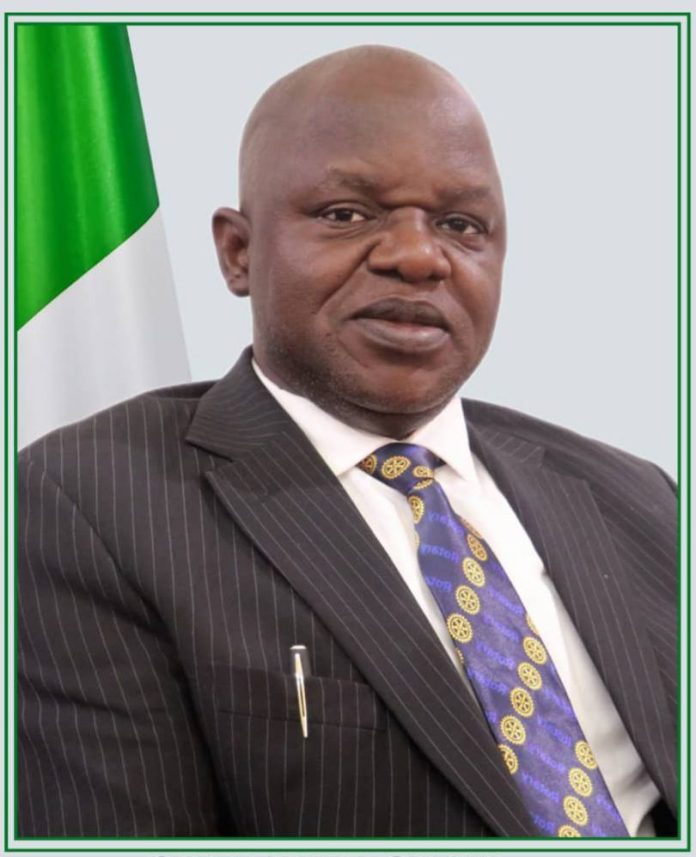
Speaking on the significance of the day, the Executive Secretary of the NCPWD, Chief Ayuba Gufwan Burki, reaffirmed that disability inclusion remains central to Nigeria’s progress. He emphasized that building an inclusive society is not charity, but a constitutional obligation and a strategic investment in the nation’s future.

“A truly progressive society recognises the value, dignity, and contribution of all its people—especially persons with disabilities, who embody resilience, creativity, talent, and innovation,” he said.
“When persons with disabilities are empowered, Nigeria moves forward. When barriers fall, communities prosper. When voices are heard, democracy deepens. And when opportunities are equal, development is accelerated for all.”


Nigeria’s Journey Toward Inclusive Development

The NCPWD noted that while commendable progress has been made since the signing of the Discrimination Against Persons with Disabilities (Prohibition) Act, 2018, significant gaps still hinder the full enjoyment of rights by persons with disabilities.

The Commission urged all stakeholders—federal, state, and local governments, the private sector, civil society, development partners, and citizens—to intensify efforts to remove barriers that restrict participation, economic empowerment, and social inclusion.


Key Areas for Accelerated Action

1. Inclusive Governance and Political Participation

The Commission called for the urgent strengthening of political and governance systems to ensure that persons with disabilities can participate fully in civic life.

This includes enforcing accessibility standards in electoral processes, promoting representation in appointive and elective positions, and ensuring that policy-making spaces reflect the voices of persons with disabilities.

2. Accessible and Inclusive Education

Highlighting education as the backbone of development, NCPWD reaffirmed its commitment to advocating for disability-inclusive learning environments equipped with assistive technologies, teacher training, and tailored support systems.

According to the Commission, “No child should be left behind simply because a classroom, curriculum, or teacher is not prepared to accommodate them.”

3. Employment and Economic Empowerment

The Commission praised the Federal Government’s mandate of a minimum 5% employment quota for persons with disabilities in public institutions, urging full compliance across sectors.

It further called on employers, business leaders, and government agencies to dismantle labour-market barriers and build accessible workplaces that recognise and reward talent regardless of disability.

4. Healthcare and Social Protection

NCPWD insisted that equitable healthcare is essential to social progress. The Commission advocates for disability-competent health services, accessible facilities, and social protection programmes that meet the diverse needs of Nigeria’s disability community.

5. Accessibility in Built Environments, Transportation, and Digital Spaces

For inclusion to be complete, the Commission emphasised that Nigeria must become barrier-free—physically, socially, and digitally.

It called for full enforcement of the Persons with Disabilities (Accessibility) Regulations, 2023, ensuring that all public buildings, transportation systems, and digital platforms are accessible to everyone.

“Accessibility is justice. It is the gateway to opportunity, dignity, and independence,” the Commission stated.


A National Call to Action

As the world marks the 2025 IDPD, NCPWD urged Nigerians to embrace inclusion as a shared responsibility and a pathway to national prosperity.

“Inclusion is progress. Accessibility is justice. Empowerment is the future. Together, we can build a Nigeria where disability is never a barrier to opportunity and where social progress reflects the strength of all our people,” Chief Burki said.

The Commission pledged to continue strengthening partnerships, enforcing compliance with disability laws, raising public awareness, and promoting initiatives that unlock the potential of millions of Nigerians with disabilities.


Celebrating Resilience, Championing Rights

In concluding its message, the NCPWD celebrated the resilience, contributions, and achievements of persons with disabilities across the country, describing them as “a powerful force for innovation, culture, and national development.”

As Nigeria joins the rest of the world to mark the 2025 International Day of Persons with Disabilities, the Commission reiterated its unwavering commitment to championing a disability-inclusive society where every Nigerian can live with dignity, participate fully, and contribute meaningfully to the nation’s progress.

Happy International Day of Persons with Disabilities!
LAN Healthcare Initiative Lights Up Karomagiji Disability Colony with 5th Annual Outreach to Mark 2025 World Disability Day

0

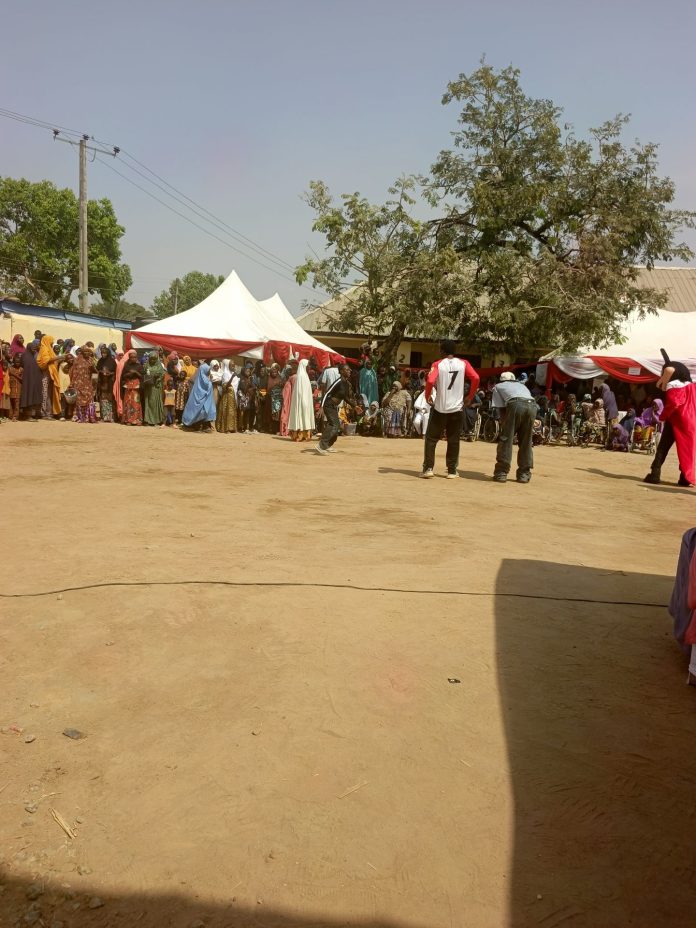
The Karomagiji Disability Colony in the Federal Capital Territory came alive on Tuesday as LAN Healthcare Initiative hosted its 5th annual outreach in commemoration of the 2025 International Day of Persons with Disabilities (IDPD). The event, which has become a yearly tradition of compassion and inclusion, once again provided a vibrant platform to promote awareness, health education, and community support for persons with disabilities.

For five years, LAN Healthcare Initiative has consistently reached out to disability communities across the FCT, reaffirming its mission to empower vulnerable groups and dismantle the barriers of stigma, discrimination, and social exclusion.

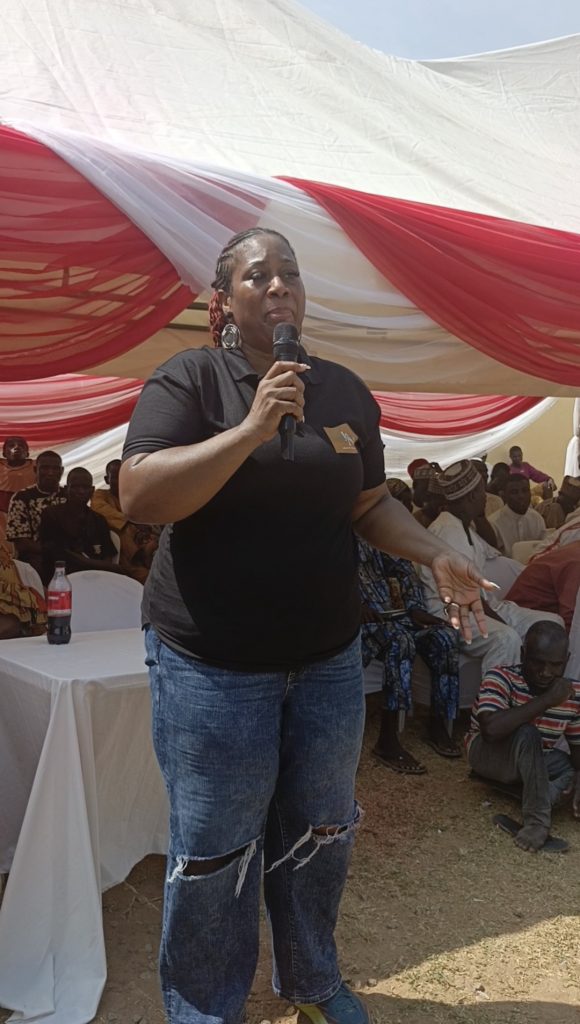
Angela Brown making speech at the event

Speaking during the event, Charles Eboh, a clinical psychologist and Program Coordinator at LAN Healthcare Initiative, described the 2025 edition as a “special and inclusive celebration” designed to engage children and adults across multiple disability clusters. These include the blind, deaf, persons with physical disabilities, individuals with albinism, and other disability groups living within the community.

“We come here every year because we understand the challenges persons with disabilities face — the stigma, the discrimination, and the isolation that make many feel like they don’t belong,” Eboh said.
“We come with relief materials, funfair, and emotional support to reassure them that there is nothing different between them and the rest of society.”

A Vision Born in Compassion

One of the founders of LAN Healthcare Initiative, Angela Brown, traced the origin of the initiative to 2007, when three friends living in the United States decided to channel their passion for giving back into a structured humanitarian effort. The group focused on rehabilitation and primary healthcare support for vulnerable communities.

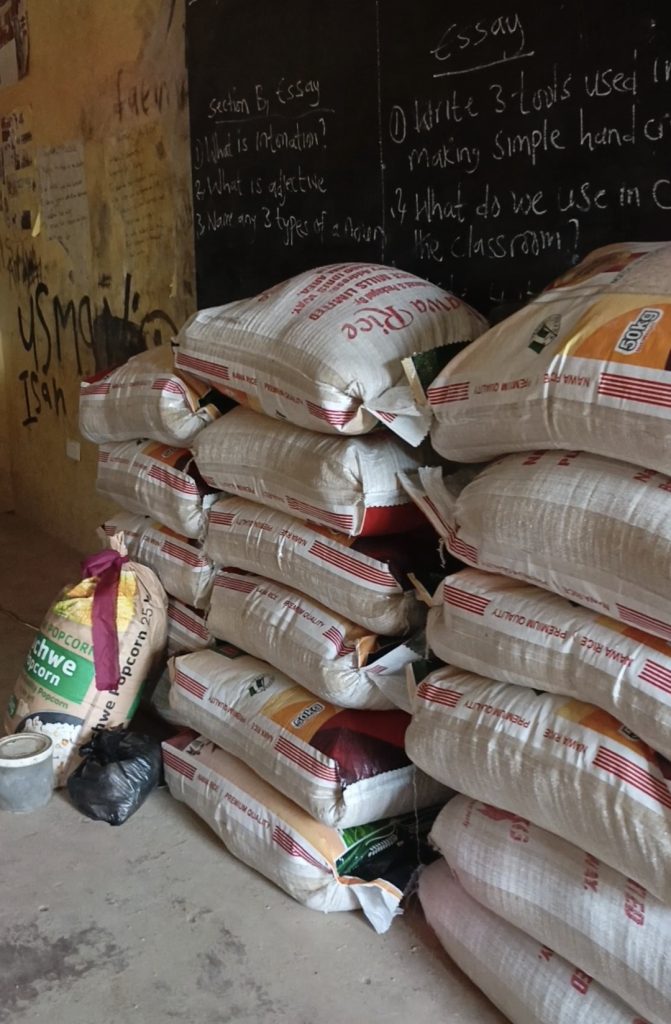
Bags of Rice set to be distributed

Brown emphasized that LAN Healthcare Initiative has largely been self-funded over the years, but expressed gratitude to the SDF Foundation for its support.

“We want persons with disabilities to know they are loved, valued, and heard,” she said.
“There is nothing different about them — we are all one, and that is why we are here, year after year, to identify with them.”

A Carnival of Inclusion, Awareness, and Joy

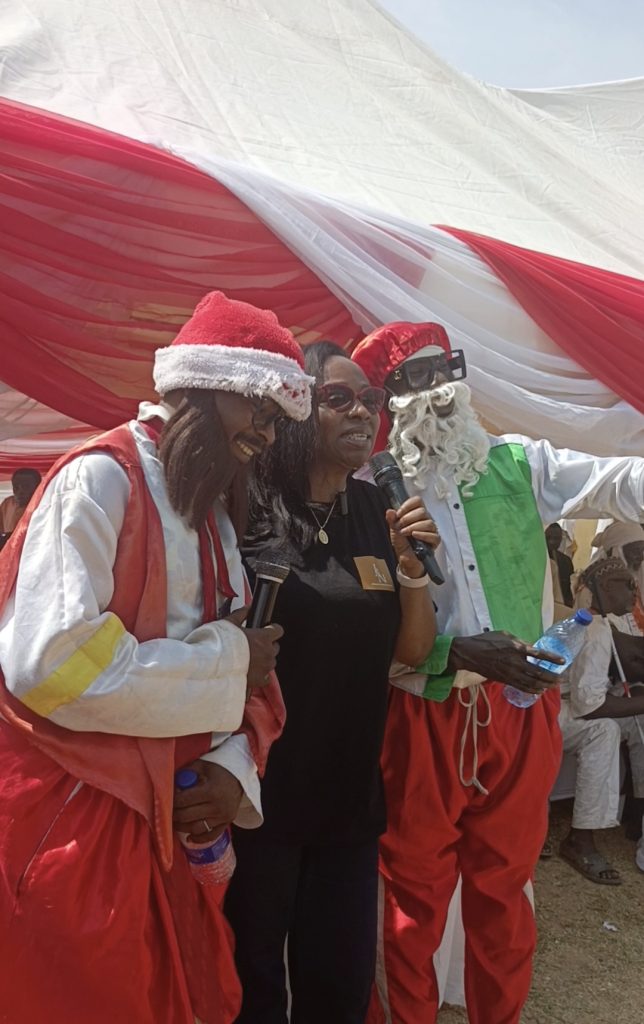
The atmosphere at the event was festive, with colorful displays, music, and joy radiating from every corner of the colony. Children had a field day on the bouncing castle, while ice-cream stands and dance performances kept both young and old entertained. For many participants, the event felt like a carnival dedicated to restoring hope and creating cherished memories.

The outreach featured a rich lineup of activities, including:

Health awareness and education sessions

Mental health talks led by professionals

Experience-sharing by community members

Discussions on inclusion and empowerment

Fun and interactive activities for children and adults

Distribution of food items and relief materials, including rice, spaghetti, and other essentials

Beyond the entertainment, the program delivered essential knowledge on mental health — a topic often overlooked in disability communities but crucial for resilience and well-being.

Cartons of Noodles that was distributed

Community Leaders Pour Out Appreciation

The Secretary of the Karomagiji Disability Community, Mohammed Dantani, could not hold back his gratitude for the long-standing support from LAN Healthcare Initiative.

“We appreciate their consistent love and support. They have stood by us for years. Persons with disabilities deserve to be included in all sectors, and gestures like this give us hope,” he said.

Another community member, Rabiu Mustapha, Secretary of the Women With Disabilities group in Karomagiji, also expressed heartfelt appreciation.

“LAN Healthcare Initiative has shown us great concern year after year. We pray that God blesses them abundantly,” she said.

Representing the government, Madam Gloria Onwuka commended the organization for its steadfast commitment and for successfully sustaining the outreach for five years.

“This is remarkable. We extend a hand of collaboration, especially in awareness creation, because events like this remind us of our shared responsibility to uplift persons with disabilities,” she added.

A Celebration of Humanity, Dignity, and Inclusion

The 2025 outreach by LAN Healthcare Initiative once again reinforced the power of community support, love, and collective responsibility toward building an inclusive society. From health talks to shared laughter, from relief items to empowering messages, the event echoed a resounding truth: every life matters, and every voice deserves to be heard.

For the Karomagiji Disability Colony, it was more than an event — it was a day of dignity, visibility, and joy. And for LAN Healthcare Initiative, it was another milestone in its unwavering 18-year-old mission to strengthen communities through compassion, healthcare, and inclusion.

FG Launches Women with Disabilities Network for Peace and Security, Moves to Strengthen Digital Safety and Inclusion

0

Abuja, Nigeria — In a major stride toward strengthening gender equality, digital safety, and inclusive governance, the Minister of Women Affairs and Social Development, Hajiya Imaan Sulaiman-Ibrahim, has officially inaugurated the Women with Disabilities Network for Peace and Security (WDNPS).

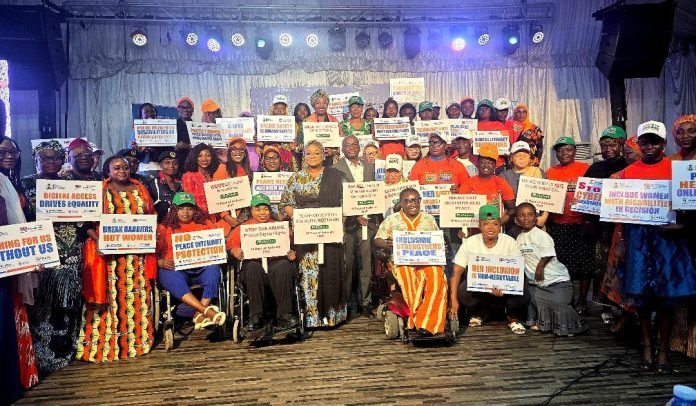
The historic inauguration took place at a high-level Multistakeholder Policy Dialogue in Abuja, organised to mark both the 2025 16 Days of Activism Against Gender-Based Violence and the International Day of Persons with Disabilities (IDPD). The event was convened by the Federal Ministry of Women Affairs in partnership with SPRiNG Nigeria and the Women with Disabilities Networks, bringing together key players across government, security agencies, civil society, technology institutions, and development sectors.

“Shame Belongs to Perpetrators, Not Victims” — Minister Imaan

In her keynote address, Minister Sulaiman-Ibrahim described the inauguration as a decisive moment in Nigeria’s effort to deepen inclusion and ensure that women with disabilities are not left behind in national peace and security architecture.

She declared:

“This gathering reinforces Nigeria’s commitment to inclusion, digital safety, and leadership for women with disabilities.”

The Minister condemned stigma and persistent harmful norms that continue to silence survivors of gender-based violence, urging collective action to dismantle those barriers.

“Let us break the culture of silence and shame that forces survivors to suffer in the dark. Shame belongs to the perpetrators, not the victims.”

She aligned her message with President Bola Ahmed Tinubu’s Renewed Hope Agenda, affirming that national leadership is committed to ensuring that all citizens—especially the most vulnerable—are carried along.

“… inspired by the bold and compassionate leadership of His Excellency, President Bola Ahmed Tinubu GCFR, whose Renewed Hope Agenda calls us to build a nation where no citizen is left behind.”

Moment of Silence for GBV Victims as Minister Condemns Rising Insecurity

In a solemn moment, Minister Imaan called for one minute of silence in honour of victims of gender-based violence across the country. She described the recent kidnappings of women and schoolchildren as “deeply distressing”, expressing firm hope for their safe return.

This emotional appeal underscored the gravity of security challenges affecting Nigerian women—particularly women with disabilities who face compounded vulnerabilities.

Historic Milestones Underscore Nigeria’s Commitments

The Minister also drew attention to global milestones shaping gender and disability rights, including the 30th anniversary of the Beijing Declaration and 25 years of UN Security Council Resolution 1325 (UNSCR 1325) on Women, Peace and Security.

She noted:

“Standing on three decades of institutional history… we are called to reaffirm our duty to all women and girls, especially those living with disabilities.”

Reiterating Nigeria’s obligations under key frameworks—the UN Convention on the Rights of Persons with Disabilities (CRPD), the Maputo Protocol, the Discrimination Against Persons with Disabilities (Prohibition) Act, and the VAPP Act—the Minister announced government steps toward operationalising the newly approved Third National Action Plan (NAP III) on Women, Peace and Security.

Government Deepens Digital Empowerment for Women with Disabilities

Highlighting the federal government’s push for digital inclusion, Minister Imaan praised emerging technologies designed to support vulnerable women. She described the Happy Woman App as:

“a gateway connecting women with disabilities to finance, skills, and protection mechanisms.”

The application, she said, will expand opportunities for women with disabilities by bridging information and empowerment gaps.

SPRiNG Nigeria Warns: “The Digital Space Has Become a New Frontline of Danger”

Delivering the programme overview, Dr. Ukoha Ukiwo, the Team Leader for the Tetra Tech SPRiNG Programme, emphasized the urgency of strengthening protection mechanisms as Nigeria navigates evolving peace and security realities.

He noted that multiple forms of violence continue to shape the life chances of Nigerians, adding that the SPRiNG Programme—funded by the UK Government—is structured to:

“promote stability, strengthen institutions, and support communities adapting to the realities of climate change.”

Dr. Ukiwo issued a stark warning about online threats faced by women and girls:

“The digital space… has become a new frontline of danger for women and girls,”
especially women and girls with disabilities, who face heightened risks of cyberstalking, online blackmail, image-based abuse, and other digital threats.

“Inclusion Is Not a Favour — It Is a Right” — Lois Auta

President of the Network of Women with Disabilities, Lois Auta, delivered a powerful call to action.

She insisted:

“Inclusion is not a favour. It is a right; and safety is not optional, it is essential.”

Auta highlighted alarming statistics showing that women with disabilities are:

Three times more likely to experience cyberstalking

More vulnerable to blackmail and image-based abuse

Targeted in digital fraud and online scams

She stressed that the Policy Dialogue was not another ceremonial gathering but:

“a call to action.”

A United Stakeholder Front for Peace, Safety, and Digital Inclusion

The Dialogue convened an impressive range of stakeholders—policymakers, security operatives, technology experts, development partners, disability advocates, and representatives of women’s networks.

Together, they explored innovative approaches to:

Bolster digital safety for women with disabilities

Expand digital literacy and access to technology

Strengthen participation of women with disabilities in peacebuilding and national security

Ensure inclusive policies guided by global and national frameworks

The inauguration of the Women with Disabilities Network for Peace and Security (WDNPS) marks a major advancement in Nigeria’s commitment to ensuring that women with disabilities are strategic actors—not spectators—in shaping peace, safety, and national development.

Follow the The Qualitative Magazine channel on WhatsApp: https://whatsapp.com/channel/0029VanfIB50wajpjGi3JJ1G

AWWDI Marks International Day of Persons with Disabilities, Demands Transformative Solutions for an Inclusive Society

0

Abuja, Nigeria – December 3, 2025 — The Advocacy for Women with Disabilities Initiative (AWWDI) has joined millions of voices across the globe to commemorate the 2025 International Day of Persons with Disabilities (IDPD), using the occasion to call for deeper commitment to inclusion, accessibility, and the protection of the rights of women and girls with disabilities in Nigeria.

Observed annually on December 3, this year’s IDPD is themed “Transformative Solutions for an Inclusive Society: Leaving No One Behind.” The theme resonates strongly with the ongoing struggles and aspirations of women and girls with disabilities, many of whom continue to face entrenched social, economic, and cultural barriers.

Speaking during the commemoration in Abuja, AWWDI emphasized that true inclusion requires sustained political will, responsive policies, and active collaboration across all sectors of society.

AWWDI Amplifies the Call for Equal Rights and Opportunities

In a statement issued by Dr. Kolawole Jayeoba, Executive Director of AWWDI, the organization reaffirmed its commitment to championing disability rights, stressing that inclusion is not a privilege but a fundamental human right.

“Today, we reaffirm our commitment to championing the rights of women and girls with disabilities. Inclusion is not optional – it is a fundamental human right. We call on all stakeholders – government, private sector, and civil society – to work with us in building a society where disability is never a barrier to opportunity, participation, and dignity,” Dr. Jayeoba said.

Adding her voice to the commemoration, Patience Ogolo Dickson, the Executive Director of AWWDI, noted that the organization’s work continues to expose deep structural gaps that limit opportunities for women and girls with disabilities. She stressed that inclusive development must prioritize accessibility, gender equity, and meaningful representation in policy processes.

Robust Advocacy and Awareness Campaigns Across Communities

As part of its activities marking the IDPD, AWWDI rolled out coordinated advocacy and awareness campaigns across the Federal Capital Territory (FCT) and other communities. These campaigns highlighted the rights, resilience, and contributions of persons with disabilities while pushing back against harmful stereotypes and discrimination.

The campaigns also emphasized the urgent need for:

Inclusive and accessible education systems for girls with disabilities

Equal and supportive employment opportunities for women with disabilities

Accessible healthcare, including sexual and reproductive health services.

AWWDI insists that no society can advance when millions of its citizens are left behind due to avoidable barriers.

Empowering Women with Disabilities Through Leadership Development

AWWDI spotlighted its ongoing capacity-building and leadership development programs, which equip women with disabilities with skills to become community leaders, entrepreneurs, and active decision-makers. The initiative has trained hundreds of women across Nigeria, helping them break barriers and redefine narratives around disability and leadership.

According to AWWDI, empowering women with disabilities is a critical step toward community transformation and sustainable development.

Strengthening Policy Engagement and Multi-Sector Collaboration

The organization reiterated its commitment to collaborating with government institutions, international bodies, civil society organizations, and the private sector to ensure full implementation of disability-inclusive policies in line with the UN Convention on the Rights of Persons with Disabilities (CRPD) and Nigeria’s national disability laws.

AWWDI called for:

Increased funding for disability-inclusive programming

Enforcement of accessibility standards across public infrastructure

Gender-responsive disability policies

Greater representation of women with disabilities at all levels of leadership

The organization emphasized that transformative solutions must align with the principle of leaving no one behind.

About AWWDI

The Advocacy for Women with Disabilities Initiative (AWWDI) is a Nigerian non-governmental organization committed to promoting the rights, dignity, and empowerment of women and girls with disabilities. Through advocacy, policy engagement, and community development, AWWDI works to dismantle systemic barriers and amplify the voices of women with disabilities across Nigeria.

Follow the The Qualitative Magazine channel on WhatsApp: https://whatsapp.com/channel/0029VanfIB50wajpjGi3JJ1G

IDPD 2025: “Removing Barriers Against Persons With Disabilities Is a Must” — Gov. Alex Otti Declares as Abia Deepens Inclusive Governance

0

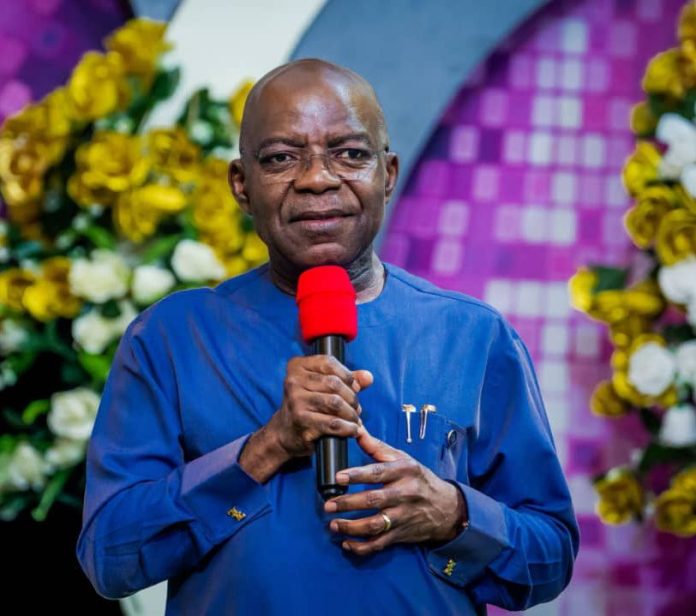
Abia State Governor, Dr. Alex Otti, OFR, has reaffirmed his administration’s strong commitment to building a disability-inclusive society, insisting that removing all barriers that prevent persons with disabilities from participating fully in social, economic, and political life “is a must.”

The Governor made the declaration in a compelling goodwill message on Wednesday as Abia joined the rest of Nigeria and the global community to mark the 2025 International Day of Persons with Disabilities (IDPD).

A Day of Reflection and Renewed Commitment

Governor Otti described IDPD as a significant moment set aside by the United Nations to inspire deeper understanding of disability issues and to emphasize the rights, capabilities, and contributions of persons with disabilities. He noted that the Day provides an opportunity for Abians to reflect on the status, challenges, and progress of disability inclusion within the State.

“We are joining the international community to pause and reflect on the state of persons with disabilities’ participation and contributions to the socio-economic development of our State,” he said.

Otti emphasized that disability inclusion is not only a constitutional responsibility but a moral obligation that must shape governance, policy, and public life in Abia State.

Otti: Inclusion Is the Foundation of True Social Progress

Speaking on the global theme for IDPD 2025 — “Fostering Disability-Inclusive Societies for Advancing Social Progress”— the Governor stated that the theme aligns perfectly with his administration’s development vision.

According to him, Abia State’s reform agenda places disability inclusion at its core, reflecting the values embedded in the Abia State Disability Law, the National Disability Act, and the United Nations Convention on the Rights of Persons with Disabilities (UNCRPD).

“We are determined to guarantee the well-being of all persons with disabilities through the promotion of equal opportunities,” he said, reaffirming that no Abian should be excluded from government programmes simply because of disability.

Strengthening Institutions: Building Capacity to Sustain Inclusion

Highlighting landmark interventions under his administration, Governor Otti revealed that Abia has taken deliberate steps to ensure that disability inclusion becomes institutionalised in governance rather than treated as charity.

“To ensure the sustainability of our investments in persons with disabilities and to ensure that barriers removed never reappear, we have built the capacity of Permanent Secretaries across Ministries, Departments, and Agencies on disability inclusion, the Abia State Disability Law, and disability-responsive budgeting,” he disclosed.

The Governor said this step ensures that every arm of government understands its responsibility to design and implement programmes that do not leave persons with disabilities behind.

Accessibility Upgrades: Public Infrastructure Designed for Everyone

Governor Otti also pointed to the State’s expanding infrastructure upgrades, noting that accessibility has become a standard requirement in new public projects.

“Our public infrastructure is being upgraded to accommodate persons with different forms of disabilities,” he affirmed.

He cited the State’s newly acquired mass-transit buses, which are equipped with user-friendly features to support persons with physical disabilities, elderly citizens, and pregnant women. These measures, he said, are part of a broader plan to create a safer and more inclusive public transportation system.

Training Grassroots Institutions to Deliver Inclusive Services

Beyond the State capital, Otti’s administration has extended disability inclusion training to all 17 Local Government Areas.

“We have trained Local Government Area Mayors/Chairmen across the three Senatorial Zones on disability inclusion,” he said.

He added that over 800 Primary Healthcare Workers, Teachers, Parents, and Caregivers have been sensitized on supporting children with intellectual disabilities — a major step toward strengthening early childhood development, inclusive schooling, and community-based care across Abia.

‘We Will Continue to Say No to Discrimination’ — Governor Otti

Governor Otti reiterated his stance against all forms of discrimination and stigma targeted at persons with disabilities, declaring that such practices have no place in the Abia he is building.

“Therefore, we will continue to say no to all forms of discrimination, stigma, and isolation of Abians by reason of disability,” he stated in the release signed by Mr. David Anyaele, his Special Assistant on Persons with Disabilities and Chairman of the Abia State Disability Commission.

Looking Ahead: No One Will Be Left Behind

As the State celebrated IDPD 2025, Governor Otti assured Abians with disabilities that the government will continue to scale up interventions, reforms, and policies that promote inclusion.

“ As we restore the glory of Abia and make her truly the number one State in Nigeria—God’s Own State—no one will be left behind by reason of disability,” he said.

He extended warm wishes to the disability community, reaffirming that his administration is committed to prioritizing disability issues in the coming year and beyond.

The message from Abia State sends a strong signal: under Governor Otti’s leadership, inclusion is not an afterthought — it is the foundation of governance, development, and social progress.

Follow the The Qualitative Magazine channel on WhatsApp: https://whatsapp.com/channel/0029VanfIB50wajpjGi3JJ1G

CCD Marks IDPD 2025 With Strong Call for Disability-Inclusive Societies to Drive Real Social Progress

0

As the world commemorated the 2025 International Day of Persons with Disabilities (IDPD) on Wednesday, the Centre for Citizens with Disabilities (CCD) issued a powerful call to action, urging governments, development partners, private sector actors, and communities across Nigeria to prioritize disability inclusion as a key pathway to achieving sustainable social progress.

With this year’s IDPD theme, “Fostering Disability-Inclusive Societies for Advancing Social Progress,” CCD said the observance offers not just a moment of reflection, but an urgent reminder that Nigeria cannot realise true development if millions of its citizens with disabilities continue to face systemic barriers that keep them excluded from opportunities.

In a statement signed by its Acting Director, Mr. Godwin Unumeri, the organisation lamented that despite the existence of strong global and national frameworks—the UN Convention on the Rights of Persons with Disabilities (CRPD) and Nigeria’s own Discrimination Against Persons with Disabilities (Prohibition) Act 2018—persons with disabilities still encounter overwhelming challenges in virtually every aspect of life.

‘Progress Exists, But Gaps Remain Huge’ — CCD

According to CCD, persons with disabilities continue to face heightened poverty, limited access to decent and safe employment, exclusion from social protection systems, inaccessible environments, and widespread stigma that undermines their dignity and participation.

“These challenges are deepened by their exclusion from governance structures, political processes, leadership positions, and community decision-making platforms,” the organisation noted. “As a result, their voices and lived experiences remain largely absent in the policies meant to address their needs.”

CCD stressed that excluding persons with disabilities from societal development is not only discriminatory but counterproductive to Nigeria’s aspirations for sustainable growth.

A National Call for Urgent Action

Highlighting the centrality of disability inclusion to the Sustainable Development Goals (SDGs), particularly Goals 4, 8, 10, 11, and 17, CCD warned that Nigeria risks falling behind if disability issues continue to be treated as an afterthought.

The organisation emphasized that national development frameworks must intentionally integrate disability perspectives—especially in planning, policy implementation, and resource allocation. Social progress, the group argued, cannot be achieved when millions remain locked out of education, healthcare, employment, infrastructure, and political representation simply because of disability.

CCD’s Major Recommendations to Advance Inclusion

In line with the 2025 IDPD theme, CCD outlined strategic actions that government and key stakeholders must urgently adopt to build a truly inclusive Nigeria:

1. Mainstream Disability Inclusion Into All Policies

CCD insists that both state and non-state actors must embed disability inclusion into all programmes, policies, and public initiatives. Inclusivity, participation, and accountability must be the standard in national development processes.

2. Ensure Access to Inclusive, Quality Education

The organisation called for safe, accessible, and well-equipped schools. It stressed the need for trained teachers, accessible learning materials, and disability-friendly school designs to close the widening education gap.

3. Expand Economic Opportunities and Inclusive Employment

CCD urged employers in public and private sectors to embrace disability-inclusive recruitment, equal pay, accessible workplaces, and vocational training tailored to various disability types. The group also demanded the removal of barriers limiting access to financial services.

4. Promote Political Participation and Disability Leadership

Empowering persons with disabilities to participate fully in political processes and leadership spaces, CCD said, is vital to strengthening Nigeria’s democracy and promoting equality in national agendas.

5. Develop Accessible Public and Private Infrastructure

From transportation to healthcare facilities, urban designs, and communication platforms, the Centre stressed that accessible infrastructure is not a privilege but an absolute necessity for equal participation in society.

6. Include Persons With Disabilities in Sustainable Development Efforts

CCD urged the integration of disability perspectives into climate change adaptation, agriculture, environmental management, and food security programmes, noting that persons with disabilities possess valuable insights that improve community resilience.

A Future Rooted in Equity and Dignity

As the global community marked IDPD 2025, CCD described the observance as a “renewed call to rebuild Nigerian society on the pillars of equality, dignity, accessibility, and shared prosperity.”

“We must act with urgency and commitment to create inclusive communities where every person, regardless of gender, disability, or background, can enjoy equal rights, contribute meaningfully to society, and realise their full potential,” the statement concluded.

The organisation reaffirmed its readiness to continue working with government institutions, civil society, development partners, and the disability community to build a Nigeria where no one is left behind.

With millions of Nigerians living with disabilities, CCD’s message stands as a critical reminder: a nation cannot claim social progress while leaving some of its most resilient citizens behind.

Follow the The Qualitative Magazine channel on WhatsApp: https://whatsapp.com/channel/0029VanfIB50wajpjGi3JJ1G

YouthRISE Champions Justice, Inclusion and Empowerment as WAP Conference 2025 Puts Youth With Disabilities at the Forefront

0

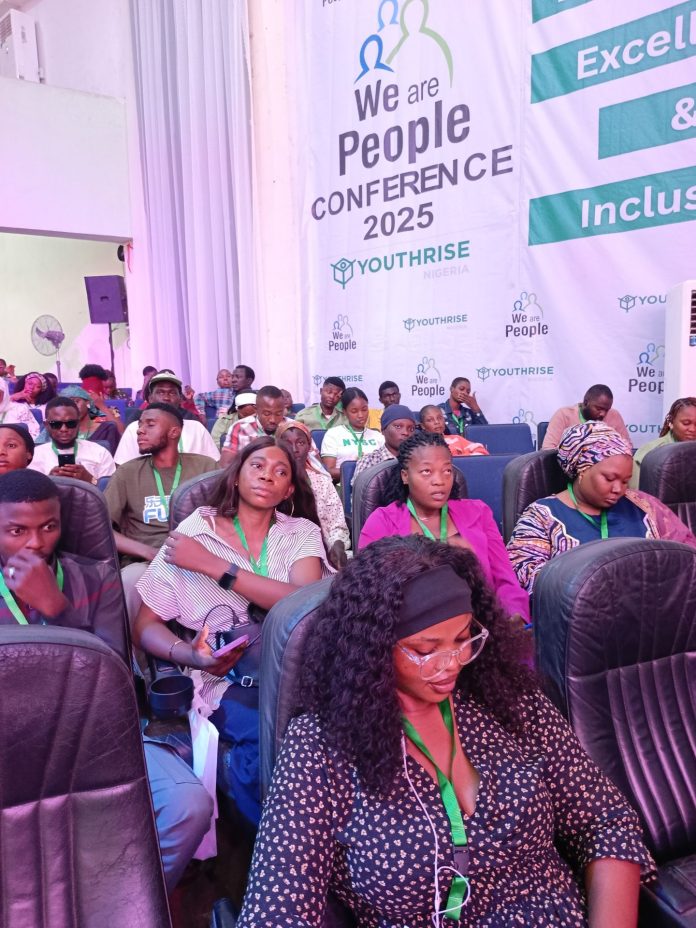
Abuja—The call for a fairer, more compassionate, and youth-driven Nigeria echoed loudly in the nation’s capital on Thursday as YouthRISE Nigeria opened the highly anticipated We Are People (WAP) Conference 2025. The two-day gathering, themed “Young People, Excellence, and Inclusivity,” brought together legal minds, disability-rights champions, youth leaders, policymakers, and advocates committed to building a Nigeria where no young person is left behind.

The event, held at the National Merit House, Maitama, radiated the vibrancy and diversity of Nigeria’s youth population—especially with the strong representation of young persons with disabilities across various clusters. From intellectual engagement to emotional storytelling and bold advocacy, the conference underscored one powerful message: young people—whether with or without disabilities—are not the leaders of tomorrow but leaders of today.

Mr. Lawrence Idemudia, Director, Social Integration, NCPWD

Youth Justice, Inclusion, Drug Policy Reform Take Centre Stage

Delivering the keynote presentation, UK-trained solicitor and Executive Secretary of the Administration of Criminal Justice Monitoring Committee (ACJMC), Barr. Sulayman Dawodu-Kuku, delivered a compelling critique of Nigeria’s justice system, particularly in its treatment of minors.

“A viable criminal justice system is measured by how it handles children and young people,” he asserted.

Drawing on nearly 20 years of legal experience, Sulayman highlighted the troubling gaps in the implementation of the Child Rights Act (CRA) 2003. Although the Act clearly defines anyone below 18 as a child and mandates child-friendly policing and detention procedures, many states have yet to domesticate or operationalise it effectively.

Today, only about 25 states have fully domesticated the Act—leaving thousands of children exposed to outdated laws that put the age of criminal responsibility as low as seven.

The result? Over 6,000 children remain in detention, with nearly one-third held alongside adults, interrogated without appropriate adults, or denied diversionary programmes that could protect them from lifelong stigma.

Sulayman also addressed youth drug dependency—citing UNODC figures estimating 14.3 million Nigerians use illicit substances, many of them young people.

“Drug use should be treated as a public health issue, not a criminal identity,” he emphasized. “Rehabilitation, not imprisonment, must be our path forward.”

He outlined key reforms: raising the minimum age of criminal responsibility to at least 12, establishing functional family courts nationwide, ensuring minors are kept separate from adult detainees, improving police procedures, and institutionalizing rehabilitation-based interventions.

“More Than a Conference — A Movement”

The Focal Person of the West Africa Drug Policy Network (WADPN), Nigerian Chapter, Barr. Chinwike Okereke, described the conference as “a movement powered by evidence, human rights, and community wellbeing.” Represented by Barr. Amara Ifugeze, he encouraged young Nigerians to embrace diversity, collaborate across sectors, and use their voices to drive national development.

Disability Inclusion Takes the Spotlight

One of the conference’s most powerful moments came when the Director of Social Integration at the National Commission for Persons with Disabilities (NCPWD), Dr. Lawrence Idemudia, delivered a deeply personal message on resilience, empathy, and accessibility—speaking openly about living with hearing impairment.

Representing NCPWD Executive Secretary, Chief Ayuba Burki Gufwan, Dr. Idemudia reminded participants that disability inclusion is not charity—it is justice.

He reinforced the Commission’s commitment to ensuring that young persons with disabilities have equal access to innovation, education, digital tools, career opportunities, and empowerment programmes.

“There is no inclusive future without the full participation of persons with disabilities,” he said.

Throughout the two-day programme, young persons with disabilities from diverse clusters—including physical, visual, hearing, albinism, and intellectual disability groups—were fully represented, engaged, and included in panel discussions, creative showcases, tech demonstrations, and leadership sessions.

Gufwan’s Inspiring Call to Action: ‘Be the Reason Someone Gains Access’

In a speech delivered on his behalf, NCPWD Executive Secretary Chief Ayuba Burki Gufwan set the tone for a more inclusive future:

“This conference is not just a gathering; it is a declaration that we are people—equal, capable, and essential to national progress.”

He reaffirmed Nigeria’s ongoing commitment to global disability standards, from the UNCRPD to the Discrimination Against Persons with Disabilities (Prohibition) Act.

Addressing the youth directly, he delivered a stirring appeal:

Be the reason someone gains access.

Be the voice that speaks for fairness.

Be the innovator who designs with everyone in mind.

Be the leader who refuses to leave anyone behind.

His message sparked applause and echoed the spirit of the conference—empowerment through collaboration, empathy, and action.

A blind Person Speaking As One Of The Panelists

Youth Realities: Policing, Profiling, Mental Health, and Social Pressures

Interactive sessions explored everyday challenges faced by young Nigerians—from police profiling to mental-health crises. Participants shared their experiences with harassment, discrimination based on hairstyles or body art, and the lack of trauma-informed policing.

“Young people are not the leaders of tomorrow; they are the leaders of today. But they need a society where justice is real and accessible,” one panellist remarked.

Driving Reform Through Collaboration

Day one and two of the conference featured panel discussions on:

drug policy and public health,

tech-driven youth enterprise,

rehabilitation and reintegration programs,

disability-inclusive leadership,

civic engagement and governance,

creativity and social innovation.

Organisers noted that the presence and active involvement of youths with disabilities enriched the depth and diversity of the conversations—ensuring that inclusion was not theoretical but lived.

A Future Where Everyone Rises Together

As the We Are People Conference 2025 drew to a close, its impact was unmistakable. It delivered not only conversations but commitments—commitments to reforming Nigeria’s justice system, empowering young people, and building an inclusive nation where persons with disabilities are recognized, celebrated, and placed at the very centre of development.

YouthRISE Nigeria expressed optimism that the ideas generated over the two days would inspire bold policy reforms, strengthen youth advocacy networks, and ignite a nationwide movement for justice, inclusion, and opportunity.

The message was clear, powerful, and unifying:

Young people—whether with disabilities or not—are shaping Nigeria’s future today. And together, we rise.

Follow the The Qualitative Magazine channel on WhatsApp: https://whatsapp.com/channel/0029VanfIB50wajpjGi3JJ1G

PRESIDENTIAL AIDE URGES JUDICIARY TO APPOINT MORE LAWYERS WITH DISABILITIES TO THE BENCH

0

The Senior Special Assistant to the President on Special Needs and Equal Opportunities, Mohammed Abba Isa, has urged judicial authorities across Nigeria to take deliberate steps toward appointing qualified lawyers with disabilities to the Bench, insisting that true justice cannot thrive without representation.

Abba Isa made the call on Friday while delivering a goodwill message at the 2025 Annual Conference of the Nigerian Bar Association Lawyers With Disabilities Forum (NBA-LWDF), held in Asaba, Delta State. The high-profile gathering brought together legal practitioners, disability-rights advocates, policymakers, and dignitaries committed to advancing inclusion within Nigeria’s legal system.

In his remarks, the presidential aide emphasized that the judiciary cannot claim to be inclusive when those entrusted with interpreting and dispensing justice remain largely underrepresented. He stressed that inclusion must go beyond token accessibility to meaningful participation at the highest echelons of the judicial structure.

“Competent and qualified lawyers with disabilities are everywhere in this country. They have met every professional requirement and continue to demonstrate excellence. What they need now is deliberate inclusion. Justice cannot be truly inclusive if the people interpreting it are missing from the Bench,” he said.

Abba Isa called on the Judiciary, the National Judicial Council (NJC), and other appointing authorities to break long-standing barriers preventing capable legal practitioners with disabilities from assuming judicial positions. He noted that many of the barriers faced by lawyers with disabilities stem not from capability but from outdated systems and discriminatory practices.

Beyond representation, the presidential aide also highlighted the urgent need to make courtrooms and judicial institutions fully accessible to all. He advocated for functional elevators, ramps, accessible restrooms, assistive technologies, and other features that ensure dignity for lawyers, litigants, witnesses, and courtroom users with disabilities.

“Accessibility is not a favour; it is a right. Every court in this country should be designed to serve every Nigerian,” he added.

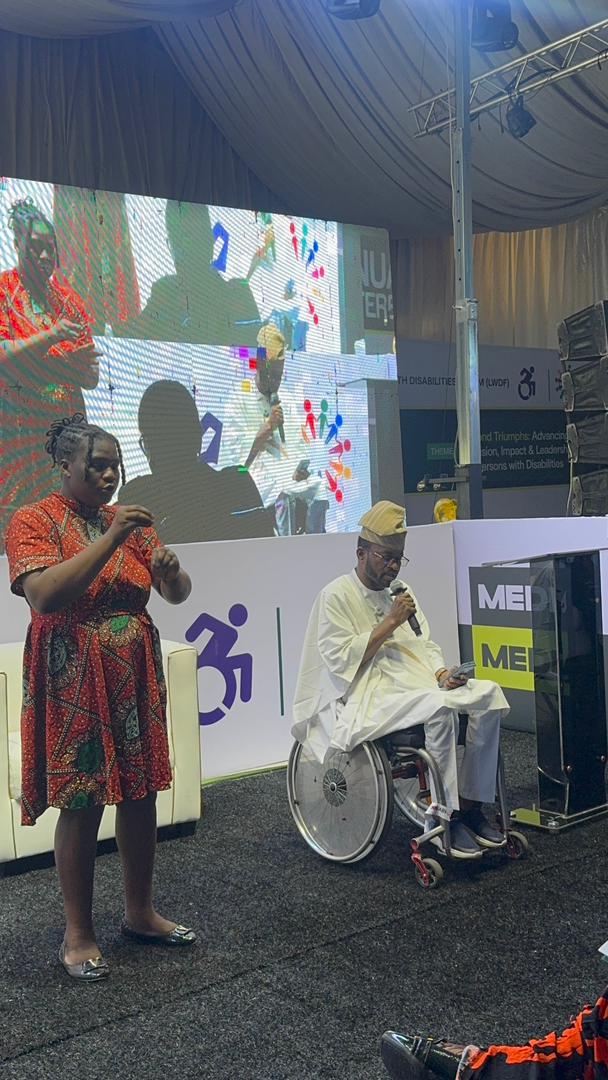
This year’s conference, themed “Beyond Triumphs: Advancing Inclusion, Impact, and Leadership for Persons with Disabilities,” provided a robust platform for participants to discuss reforms in accessibility legislation, inclusive workplace practices, leadership pathways, and the role of emerging technologies in modern legal practice.

Speakers at the event underscored the need for stronger policies that reflect Nigeria’s commitment to equality and uphold the rights of persons with disabilities as enshrined in the Discrimination Against Persons With Disabilities (Prohibition) Act 2018.

Reaffirming President Bola Ahmed Tinubu’s dedication to ending occupational discrimination, Abba Isa reiterated that the Renewed Hope Administration is determined to build a society where disability is never a barrier to ambition, professional progress, or leadership.

He commended the leadership of the NBA-LWDF, the Conference Planning Committee, and partner organizations for their unwavering commitment to promoting accessibility, empowerment, and leadership opportunities for lawyers with disabilities.

The Asaba conference has been widely described as a major step forward in the push for a more inclusive legal profession, setting a renewed agenda for disability-inclusive governance, representation, and justice delivery in Nigeria.

Follow the The Qualitative Magazine channel on WhatsApp: https://whatsapp.com/channel/0029VanfIB50wajpjGi3JJ1G

IDPD 2025: Yar’Adua Foundation to Host Major Policy Forum on Disability Inclusion as Nigeria Enters Full Enforcement of Disability Act

0

The Shehu Musa Yar’Adua Foundation is set to convene a high-level public policy forum on disability inclusion on Wednesday, December 3, as part of activities commemorating the 2025 International Day of Persons with Disabilities (IDPD). The event, expected to attract top government officials, foreign diplomats, development partners and leading disability advocates, will take place at the Yar’Adua Centre in Abuja.

In a statement released on Saturday, the Foundation revealed that the forum is being organised in partnership with the Office of the Deputy Speaker of the House of Representatives, the Australian High Commission, Christian Aid, IREDE Foundation, Inclusive Friends Association (IFA), Cedar Seed Foundation and the Nigeria Social Insurance Trust Fund (NSITF).

The policy dialogue, themed “Valuable, Driven, Capable: Advancing Workplace Inclusion for Persons with Disabilities in Nigeria,” comes at a pivotal moment for the country. The five-year moratorium granted to public and private institutions to comply with the Discrimination Against Persons with Disabilities (Prohibition) Act of 2018 has officially expired—meaning organisations are now legally required to meet its mandatory standards without delay.

According to the organisers, the Act obligates employers nationwide to implement workplace accessibility measures and ensure that at least five percent of their workforce comprises persons with disabilities. The renewed push for enforcement, they note, makes this year’s forum particularly timely and urgent.

“Following the expiration of the five-year moratorium on compliance with the Discrimination Against Persons with Disabilities (Prohibition) Act, 2018, organisations across Nigeria are now legally required to comply with its key provisions,” the statement emphasised, underscoring the importance of the forthcoming discussions.

Secretary to the Government of the Federation (SGF), George Akume, will serve as the Special Guest of Honour, reaffirming the Federal Government’s commitment to disability inclusion, workplace equity and human rights.

Vivian Emehelu, Director of Programmes and Administration at the Yar’Adua Foundation, said the conversation will focus on practical strategies to fast-track workplace inclusion at a systemic level. According to her, the forum will challenge outdated stereotypes that reduce disability to pity and charity, and instead spotlight the skills, innovation, productivity and resilience that Nigerians with disabilities bring to the nation’s workforce.

She noted that the event aligns strongly with the Foundation’s mission to promote human rights, social justice and inclusive development while strengthening collaboration among government agencies, the private sector, civil society organisations and international partners.

“This forum creates a platform to deepen partnerships and drive evidence-based solutions to workplace discrimination. It is about shifting the national mindset and demonstrating that persons with disabilities are capable, valuable contributors to Nigeria’s economy,” Emehelu explained.

The policy forum is expected to draw ambassadors, lawmakers, senior government officials, business executives, development organisations and leaders of disability-focused groups from across the country. Stakeholders will explore the realities of implementing the disability employment quota, the gaps in workplace accessibility, the role of employers in driving inclusive practices, and the broader economic benefits of tapping into Nigeria’s vast pool of talented persons with disabilities.

As Nigeria fully enters the enforcement phase of its disability law, the Yar’Adua Foundation says the time is ripe for bold action, stronger accountability and unified advocacy for a truly inclusive workforce.

The December 3 policy forum promises to be one of the major national conversations shaping the future of disability-inclusive development in Nigeria.

Follow the The Qualitative Magazine channel on WhatsApp: https://whatsapp.com/channel/0029VanfIB50wajpjGi3JJ1G

PWDs Laud Gov. Alex Otti’s Drive for Inclusive Governance, Seek Greater Empowerment in Abia

0

The National Association of Persons with Physical Disabilities (NAPWPD), Abia State chapter, has applauded Governor Alex Otti for what it describes as a bold and progressive commitment toward building a more inclusive Abia where no citizen is left behind.

The commendation was made on Thursday in Aba during the inauguration of the new leadership of NAPWPD, Aba North Local Government Area (LGA), an event that brought together disability advocates, government representatives, and community stakeholders determined to advance the rights and welfare of Persons with Disabilities (PWDs) in the state.

NAPWPD Praises Otti’s Inclusive Leadership

Speaking at the event, the Abia State Chairman of NAPWPD, Mr. Iroabuchi Alozie, hailed Governor Otti for taking concrete steps to address long-standing barriers faced by PWDs. He said the administration’s establishment of the Abia State Disability Commission stands as a historic milestone and a clear indication of the governor’s genuine commitment to disability inclusion.

According to him, beyond establishing the commission, the state government has initiated deliberate actions to improve accessibility across Abia—particularly in public buildings, schools, and transportation facilities, making them more accommodating for persons with disabilities.

“These are the kinds of changes we have advocated for over the years, and it is refreshing to see a government that listens and acts,” Mr. Alozie noted.

Call for Employment and Empowerment Opportunities

Despite the progress made, Alozie stressed that there is still much work to be done to ensure economic independence and dignity for PWDs. He appealed to the government to expand access to job opportunities, empowerment programmes, and skills development initiatives, noting that many PWDs are educated, skilled, and eager to contribute meaningfully to society.

“PWDs face unique challenges in accessing basic necessities, education, and employment. We need more support to change this narrative,” he said.

New Leadership, New Hope

The inauguration of the new NAPWPD Aba North leadership marked what members described as a new chapter in the struggle for disability inclusion at the local government level. The newly installed leaders will pilot the affairs of the association for the next four years, with hopes high among members that they will champion a stronger, more united disability community.

Charging the new executives, Alozie emphasized that true leadership goes beyond occupying a position—it is defined by the capacity to inspire, uplift, and advocate for others.

Aba North LGA Pledges Support

In his goodwill message, the Chairman of Aba North LGA, Mr. Timothy Iheke, represented by his Deputy, Mr. Christian Chijioke, reaffirmed the local government’s commitment to supporting disability inclusion.

Describing PWDs as “intelligent, resourceful, and full of potential,” Iheke encouraged the new leadership to remain dedicated to fostering empowerment and unity within the disability community.

Coordinator Seeks Greater Collaboration

In her acceptance speech, the newly inaugurated NAPWPD Aba North Coordinator, Mrs. Roseline Alaribe, expressed gratitude to Governor Otti’s administration for creating a more supportive environment for PWDs. She stressed the need for deeper collaboration between government and disability groups to unlock opportunities that will uplift members.

“Many of us are graduates and possess various marketable skills. What we need are employment, empowerment, and continuous training to improve our lives and contribute to the growth of Abia State,” she said.

Towards a More Inclusive Abia

The event ended with renewed calls for stronger government–community partnership to advance disability rights across the state. Stakeholders agreed that with sustained political will and coordinated advocacy, Abia can become a shining example of inclusion, accessibility, and equal opportunity for all citizens—especially for persons with disabilities who have long been marginalized.

As NAPWPD Aba North ushers in a fresh leadership era, expectations are high that the momentum for disability inclusion in Abia will continue to gather strength, inspired by the hope and determination echoed throughout the event.

Follow the The Qualitative Magazine channel on WhatsApp: https://whatsapp.com/channel/0029VanfIB50wajpjGi3JJ1G